Introduction
Did you know your boat’s hidden zinc anodes could be the single barrier standing between your vessel and crippling corrosion damage? Overlooking these small but mighty protectors can mean risking your propeller, shafts, and underwater fittings—and eventually, facing expensive repairs. Spotting the warning signs early is crucial. This article reveals the 5 warning signs your boat needs new zinc anodes, explains what zinc anodes are, why they matter, their core benefits, how to use them effectively, up-to-date best practices for 2025, mistakes to avoid, FAQs, and a step-by-step strategy to defend your investment.
What is [5 Warning Signs Your Boat Needs New Zinc Anodes] and Why is it Important?
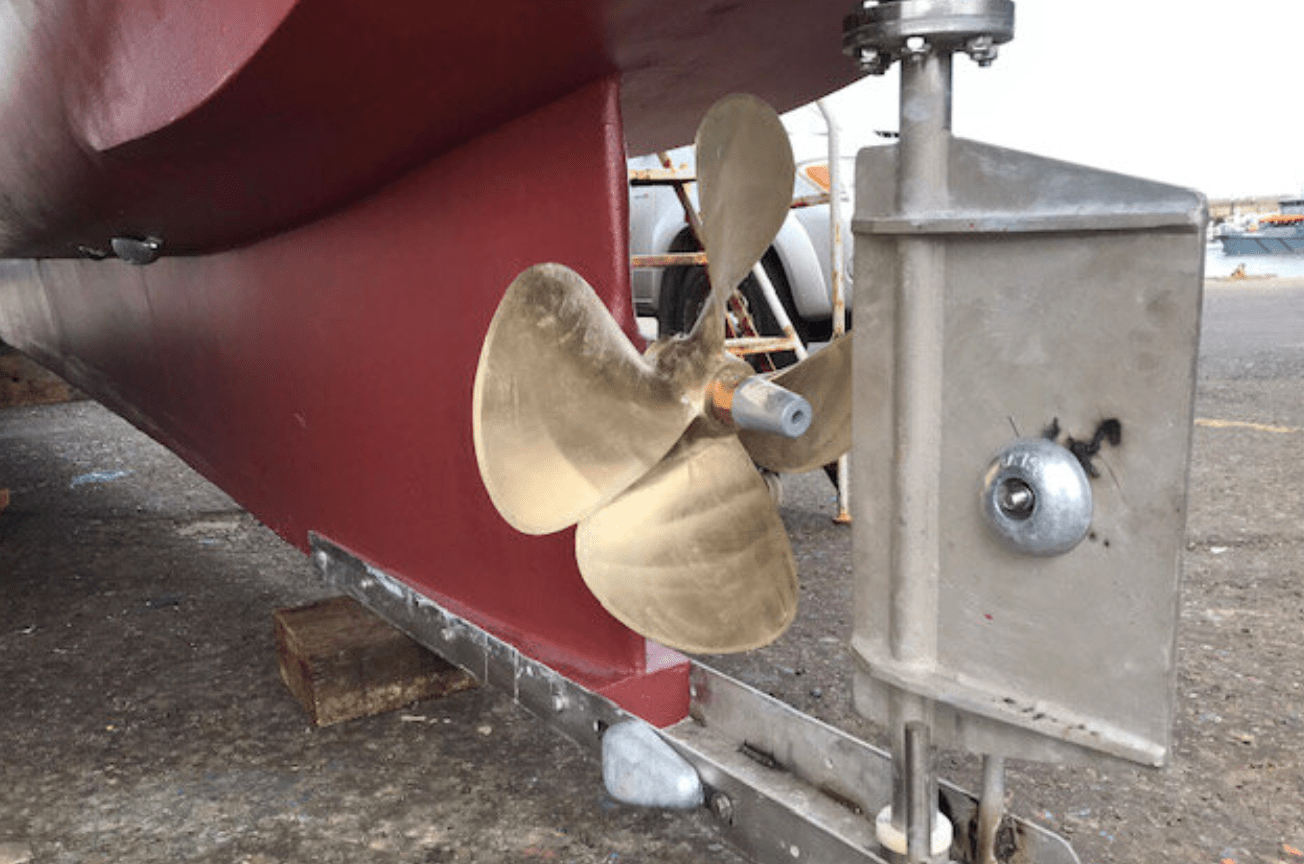
The phrase “5 warning signs your boat needs new zinc anodes” refers to the critical cues boat owners must watch for to maintain sacrificial zinc anodes—the metal components that corrode by design to protect your boat’s vital underwater parts from galvanic corrosion. When zinc anodes fail or deplete, essential boat metals become exposed to rapid deterioration. Regularly inspecting and replacing worn anodes is fundamental to preserving your vessel in even the harshest saltwater environments.
Why it matters:
- Zinc anodes protect propellers, drive shafts, and hull fittings from electrochemical reactions that can destroy costly hardware.
- Saltwater accelerates this process, with corrosion rates up to 100x higher than freshwater.
- Ignoring these cues leads to premature part failure, risking safety and escalating expenses.
Key Benefits of [5 Warning Signs Your Boat Needs New Zinc Anodes]
- Minimizes major repair costs by preventing corrosion on expensive equipment.
- Prolongs the service life of your engines, shafts, hull fittings, and underwater hardware.
- Maintains vessel performance by keeping metal parts smooth and efficient.
- Ensures compliance with regulations requiring functional cathodic protection.
- Increases safety at sea by reducing the risk of equipment failure due to unseen damage.
How to Use [5 Warning Signs Your Boat Needs New Zinc Anodes] Effectively
Step-by-Step:
- Regular Inspection: Examine all external zinc anodes every 1–3 months. Pay close attention if operating primarily in saltwater or if your boat remains unused for extended periods.
- Check for Five Key Signs:
- Sign 1: Visible corrosion or heavy pitting on zinc anodes.
- Sign 2: Cavities, cracks, or a crater-like surface on the anode.
- Sign 3: Anodes worn away by more than 50%.
- Sign 4: The anode has detached, is hanging loose, or missing entirely.
- Sign 5: Nearby metal parts show early rust or corrosion even though the anode is present.
- Replace Promptly: As soon as any of these signs appear, remove the old anode and install a new one of equal or higher surface area, making sure it contacts bare metal.
- Clean Mounting Surfaces: Use a wire brush to remove marine growth before installing the replacement.
- Document Maintenance: Log the date, location, and state of each replacement.
Best Practices for [5 Warning Signs Your Boat Needs New Zinc Anodes] in 2025
- Use high-purity, marine-grade zinc anodes for saltwater—consider switching to aluminum or magnesium for brackish or freshwater to maximize protection and meet environmental regulations.
- Inspect and replace anodes more frequently if operating in warm, ion-rich water or in a marina with high stray currents.
- Always replace depleted or damaged anodes with models of at least the same surface area for equivalent protection.
- Properly recycle spent zinc anodes at designated marina collection locations; never discard them in the water.
- Review local environmental laws for alternatives to zinc if boating in regulated ecosystems.
Common Mistakes to Avoid When Using [5 Warning Signs Your Boat Needs New Zinc Anodes]
- Letting anodes wear below 50%: Replace before they deplete fully.
- Incorrect anode material: Always match your water type—zinc for saltwater, magnesium for freshwater, aluminum for mixed conditions.
- Painted or insulated contact points: Anodes must contact bare metal, or they won’t work.
- Inconsistent checks: Skipping regular monitoring shortens gear lifespan.
- Mismatched replacements: Never downgrade to smaller or incompatible anodes—coverage is crucial.
FAQs About [5 Warning Signs Your Boat Needs New Zinc Anodes]
Q: How often should zinc anodes be inspected?
- A: Every 1–3 months for saltwater vessels, at least every season for freshwater.
Q: What’s the main danger of skipping zinc anode replacement?
Q: Can I use aluminum or magnesium anodes on my boat?
- A: Yes. Use magnesium for freshwater, aluminum for brackish/mixed, and zinc for saltwater. Never mix anode metals on the same boat.
Q: How do I know my anode needs replacement?
- A: If more than half is gone, it’s cracked, shows heavy pitting, or the part it protects is corroding.
Q: Where are boat zinc anodes located?
Conclusion: Don’t Wait—Act on the Warning Signs
Spotting the 5 warning signs your boat needs new zinc anodes is your best defense against hidden corrosion and unexpected repair bills. Regular inspection, prompt replacement, and following best practices ensure your boat stays seaworthy and safe. Don’t gamble with the integrity of your vessel—protect it by making anode checks a core part of your maintenance.
Take action now: schedule a zinc anode check today and safeguard your maritime investment!