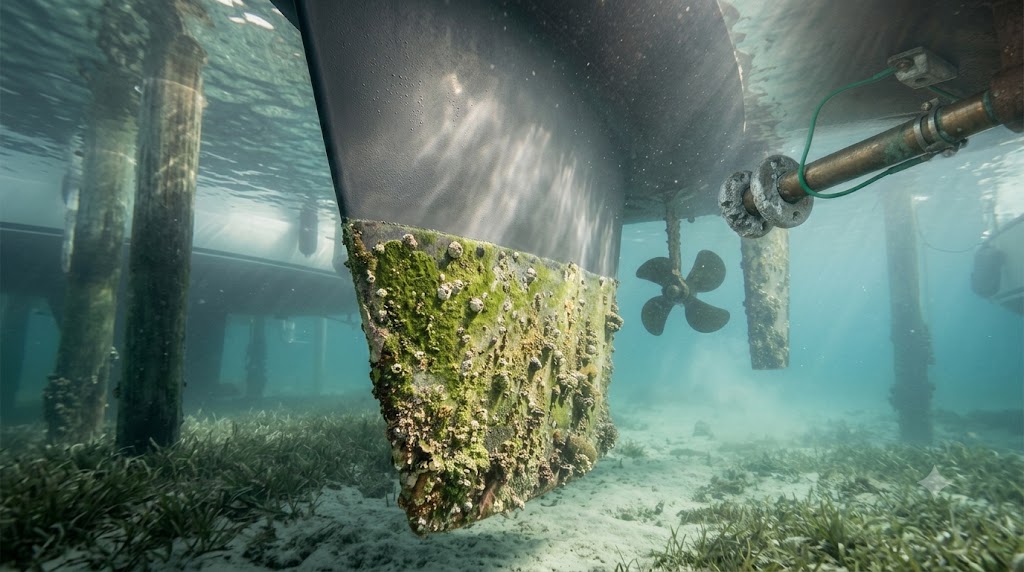
Every sailor appreciates the feeling of a boat slicing efficiently through the water, climbing confidently to windward with minimal leeway. Yet even the best-designed cruising sailboat can lose that edge when marine growth begins accumulating below the waterline. Slime, algae, barnacles, and shell growth don’t just slow a sailboat—they directly affect how efficiently the keel generates lift.
Understanding keel fouling sailboat performance is essential for anyone who wants to sail efficiently, reduce weather helm, and maintain predictable handling. A clean keel allows water to flow smoothly across its foil shape, while even light biofouling disrupts that flow, reducing lift and increasing drag. The result is a boat that struggles to point high, loses speed, and requires more effort to maintain course.
This guide explains why keel fouling has such a significant impact on sailing performance, how to recognize the warning signs, and why regular underwater cleaning should be part of every cruising sailor’s maintenance routine.
Why the Keel Is So Important
The keel does much more than keep a sailboat upright. Its foil-shaped design generates hydrodynamic lift, allowing the boat to resist sideways movement while sailing toward the wind.
A properly functioning keel helps:
- Improve pointing ability.
- Reduce leeway.
- Increase upwind efficiency.
- Maintain directional stability.
- Improve overall sailing performance.
Because the keel operates entirely below the waterline, its condition directly affects how efficiently the boat moves through the water.
How Keel Fouling Sailboat Performance Is Affected
Keel fouling sailboat performance begins to decline as marine growth alters the smooth profile of the keel. Instead of water flowing cleanly across the foil, slime and hard growth create turbulence that reduces lift while increasing drag.
Common forms of fouling include:
- Biofilm and slime.
- Green algae.
- Barnacles.
- Tubeworms.
- Mussels.
- Calcareous marine growth.
Even a relatively thin layer of slime can noticeably affect sailing efficiency, especially when sailing close-hauled.
Why Pointing Ability Declines
Pointing ability refers to how close a sailboat can sail toward the wind while maintaining forward progress.
When the keel becomes fouled:
- Lift is reduced.
- Hydrodynamic drag increases.
- The boat slips sideways more easily.
- The helm may feel heavier.
- Additional tacks may be required to reach the same destination.
Cruising sailors often notice that the boat simply doesn’t “feel right” long before heavy barnacle growth becomes visible.
Slime Is More Harmful Than Many Sailors Realize
Many owners assume only barnacles affect performance, but soft marine slime can also disrupt water flow.
Slime may:
- Increase surface friction.
- Reduce boat speed.
- Decrease keel efficiency.
- Increase fuel consumption while motoring.
- Accelerate additional marine growth.
Routine cleaning before hard growth develops is often easier and helps preserve antifouling paint.
Other Underwater Areas That Affect Sailing Performance
While the keel has the greatest influence on pointing ability, other underwater components also contribute to overall efficiency.
- Rudder.
- Propeller.
- Propeller shaft.
- Saildrive.
- Through-hulls.
- Speed transducers.
Cleaning the entire underwater profile provides the greatest improvement in performance.
Signs Your Keel Needs Cleaning
Performance changes often occur gradually, making them easy to overlook.
Common warning signs include:
- Poor pointing ability.
- Reduced boat speed.
- Increased leeway.
- Greater weather helm.
- Longer passage times.
- Higher fuel use while motoring.
If these symptoms appear after the boat has spent several months in the water, underwater fouling should be considered as a possible cause.
Clean Keel vs Fouled Keel
| Condition | Clean Keel | Fouled Keel |
|---|---|---|
| Water Flow | Smooth and efficient | Turbulent |
| Pointing Ability | Optimized | Reduced |
| Leeway | Minimal | Increased |
| Boat Speed | Higher | Lower |
| Handling | Responsive | Less predictable |
How Professional Underwater Cleaning Helps
Routine underwater cleaning removes marine growth before it becomes heavy enough to affect sailing performance significantly.
Professional services typically include:
- Keel cleaning.
- Hull cleaning.
- Rudder cleaning.
- Propeller cleaning.
- Running gear inspection.
- Zinc anode inspection.
- Underwater photography.
Combining cleaning with inspection also allows divers to identify developing maintenance issues below the waterline.
Protecting Antifouling Paint During Cleaning
Removing marine growth should never come at the expense of damaging the protective coating.
Experienced divers select cleaning techniques appropriate for the type of antifouling paint applied to the hull.
Gentle, routine cleaning generally helps preserve the coating while maintaining peak sailing performance.
How Often Should Cruising Sailboats Be Cleaned?
The ideal maintenance interval depends on several factors.
- Water temperature.
- Marina location.
- Boat usage.
- Antifouling paint type.
- Local fouling conditions.
Boats moored year-round in warm coastal waters typically require more frequent underwater cleaning than those used seasonally or stored ashore.
Common Mistakes Sailboat Owners Make
Waiting Until Barnacles Appear
Performance often begins declining long before hard marine growth becomes obvious.
Cleaning Only the Hull
The keel, rudder, and propeller all influence sailing efficiency and should be maintained together.
Ignoring Small Performance Changes
Gradual losses in speed and pointing ability are often early signs of underwater fouling.
Using Abrasive Cleaning Methods
Improper cleaning can shorten the life of antifouling coatings.
Skipping Mid-Season Inspections
Routine underwater inspections help identify fouling before it significantly affects sailing performance.
Best Practices for Maintaining Sailing Performance
- Inspect the underwater hull regularly.
- Remove slime before hard growth develops.
- Clean the keel, rudder, and propeller together.
- Monitor changes in boat speed and pointing ability.
- Schedule professional underwater inspections throughout the season.
- Maintain antifouling paint according to manufacturer recommendations.
The BoatUS Foundation recommends regular underwater inspections and preventive hull maintenance to help preserve vessel performance and reduce operating costs.
Frequently Asked Questions
How does keel fouling affect sailboat performance?
Marine growth disrupts smooth water flow over the keel, increasing drag and reducing the lift needed for efficient upwind sailing.
Can slime reduce pointing ability?
Yes. Even soft marine slime increases surface friction and can reduce the keel’s hydrodynamic efficiency before barnacles appear.
Should the rudder be cleaned at the same time?
Absolutely. The keel, rudder, and propeller all work together, so cleaning them during the same maintenance visit provides the greatest performance benefit.
How often should a cruising sailboat be cleaned underwater?
The schedule depends on local fouling conditions, water temperature, and how often the boat is used, but routine inspections help determine the ideal interval.
Can underwater cleaning damage antifouling paint?
Professional divers use coating-appropriate techniques designed to remove marine growth while minimizing unnecessary paint wear.
Conclusion
Maintaining excellent keel fouling sailboat performance starts with keeping the underwater profile clean. A smooth keel generates efficient lift, improves pointing ability, reduces leeway, and helps your sailboat perform as its designer intended. Allowing slime and marine growth to accumulate gradually reduces efficiency and can make every passage slower and less enjoyable.
Routine underwater cleaning, combined with regular inspections of the keel, rudder, and running gear, helps protect your antifouling paint, improve sailing performance, and extend the life of valuable underwater components.
Schedule a Professional Sailboat Hull Cleaning
If your sailboat has lost speed, struggles to point into the wind, or has been sitting in the marina for several months, our professional underwater diving team can help. We provide keel cleaning, hull scrubbing, propeller cleaning, underwater inspections, zinc anode checks, and detailed underwater photography to keep your sailboat performing at its best. Contact us today to schedule a professional underwater maintenance service.
