If you own a boat in the Sunshine State, you already know how fast marine growth can take over your hull. Warm water, sunlight, and nutrient-rich coastal environments make Florida the perfect breeding ground for barnacles, algae, and other marine organisms. That’s why Florida hull cleaning isn’t just routine maintenance—it’s a necessity for anyone serious about performance, fuel efficiency, and hull longevity.
Left unchecked, aggressive marine growth can dramatically slow your vessel, increase fuel consumption, and even cause long-term hull damage. Understanding what causes it, how to prevent it, and when to clean your hull can save you time, money, and frustration.
Why Hull Cleaning in Florida Is So Essential
Florida’s subtropical waters are beautiful, but they’re also teeming with life. From microscopic algae to fast-growing barnacles, marine organisms attach to hulls within weeks—sometimes even days. Without regular Florida hull cleaning, these organisms form thick layers that create drag, compromise maneuverability, and damage protective coatings.
The combination of saltwater, warm temperatures, and constant moisture accelerates growth compared to other regions. Boat owners operating in Tampa Bay, Miami, the Keys, or Jacksonville all face the same challenge: keeping the hull clean enough to ensure top performance and minimize maintenance costs.
Understanding Aggressive Marine Growth
Marine growth, also known as biofouling, is the accumulation of microorganisms, plants, algae, and animals on submerged surfaces. In Florida’s coastal waters, this happens incredibly fast because of ideal environmental conditions. Let’s break down the types of marine growth that commonly affect hulls:
- Algae: Green or brown layers that form quickly on any underwater surface, creating slipperiness and drag.
- Barnacles: Hard-shelled crustaceans that firmly attach to hulls, propellers, and intakes, causing major resistance.
- Tubeworms and Mussels: These creatures can colonize in clusters, blocking intakes and damaging paint coatings.
- Slime Biofilm: The first stage of fouling—this layer invites larger organisms to attach.
Aggressive growth like barnacles and heavy algae mats doesn’t just affect speed—it can damage through-hull fittings and compromise your cooling system. Once established, removing them becomes much more difficult and expensive.
How Marine Growth Impacts Boat Performance
Even a thin layer of marine growth can have major performance impacts. Studies have shown that moderate fouling can increase drag by up to 40%, meaning your engine has to work harder just to maintain normal cruising speeds.
- Reduced speed: Growth creates resistance, reducing top speed and acceleration.
- Increased fuel consumption: Engines burn significantly more fuel to overcome drag.
- Engine stress: Prolonged drag puts extra strain on engines and transmission systems.
- Damage to antifouling coatings: Barnacles and shells can penetrate or lift coatings, exposing the hull to corrosion.
That’s why professional Florida hull cleaning isn’t just cosmetic—it directly affects your boat’s performance and lifespan.
Best Practices for Florida Hull Cleaning
Keeping your hull clean in Florida’s warm waters requires a proactive approach. Here are proven strategies used by experienced boat owners and professional divers across the state:
1. Schedule Regular Cleanings
In Florida’s environment, most boats need cleaning every 3 to 4 weeks. This frequency prevents heavy buildup and keeps the antifouling paint effective. If your boat stays in the water year-round, monthly cleaning is the bare minimum.
2. Use Environmentally Friendly Cleaning Methods
Avoid harsh chemicals that can harm marine ecosystems. Professional divers often use soft scrub pads or specialized underwater cleaning tools that protect both your hull and the environment. Always check that your cleaning service follows eco-friendly practices approved by the Florida Department of Environmental Protection.
3. Maintain Your Antifouling Paint
Antifouling coatings are your hull’s first line of defense against growth. Use high-quality paint suited for Florida’s warm, salty waters. Consider reapplying every 12–18 months depending on usage. During cleaning, make sure the paint isn’t being damaged by abrasive tools.
4. Inspect Running Gear and Intakes
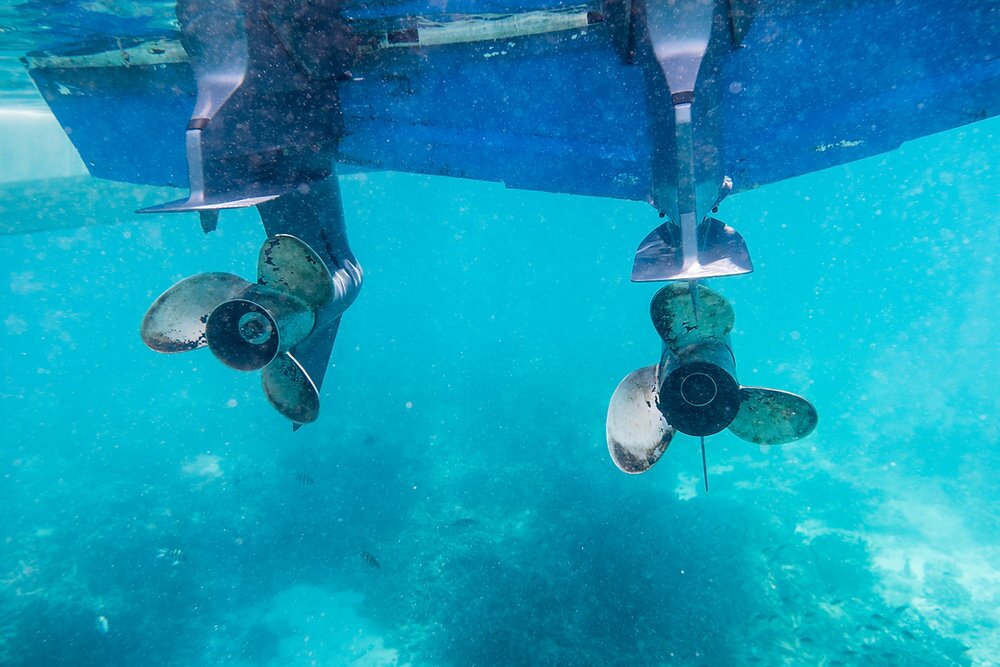
Propellers, shafts, rudders, and cooling intakes are magnets for barnacles. If not cleaned regularly, growth can cause overheating and mechanical failure. Including these parts in your regular Florida hull cleaning routine ensures full efficiency.
5. Dry Dock When Possible
If you have the option, periodic dry docking allows for detailed inspections and deep cleaning. This also helps assess any damage below the waterline that’s not visible during in-water cleaning.
Choosing the Right Hull Cleaning Service in Florida
Not all hull cleaning services are equal. When choosing a provider, look for experience, certifications, and a commitment to safety and sustainability.
- Certified divers: Ensure they are trained and insured professionals who understand hull materials and coatings.
- Eco-conscious methods: Ask about biodegradable cleaning products and waste management practices.
- Detailed reporting: A good service provides before-and-after images and notes about paint condition or damage.
Reliable providers like BoatUS or local Florida marine associations can help you find trusted professionals who meet industry standards.
Signs Your Boat Needs Immediate Hull Cleaning
If you’re unsure whether your hull needs cleaning, here are some red flags to look out for:
- Noticeable drop in speed or acceleration
- Higher fuel bills than usual
- Vibration or cavitation when underway
- Rough or patchy hull surface
- Visible slime or barnacles below the waterline
When these signs appear, it’s already past due for a Florida hull cleaning. Regular maintenance prevents this buildup and avoids long-term issues.
How Often Should You Clean Your Hull in Florida?
Frequency depends on water temperature, salinity, and how often you use your boat. Generally:
- Weekly use: Clean every 3–4 weeks
- Occasional use: Clean every 6–8 weeks
- Stored in water year-round: Monthly minimum cleaning
The more your boat moves, the less buildup you’ll face—but stationary boats attract growth faster. Even short idle periods in Florida’s waters can result in rapid fouling.
Preventing Marine Growth Between Cleanings
While regular hull cleaning is crucial, you can take extra steps to minimize growth between sessions:
- Use dock-mounted ultrasonic antifouling systems.
- Apply silicone-based or copper-free coatings for added protection.
- Keep your boat moving—marine growth forms slower on active hulls.
- Flush and inspect cooling systems regularly.
- Rinse with fresh water after every trip when possible.
Cost of Florida Hull Cleaning
The price varies based on boat size, growth level, and location, but on average, expect:
- Small boats (20–30 ft): $3–$5 per foot
- Mid-size boats (30–50 ft): $4–$7 per foot
- Large yachts: Custom pricing depending on accessibility and service scope
While some owners are tempted to handle cleaning themselves, hiring professional divers is often worth the investment. They have the tools, experience, and safety gear to perform the job efficiently without damaging your hull.
Florida Regulations on Hull Cleaning
Hull cleaning practices in Florida are regulated to protect delicate marine ecosystems like coral reefs and seagrass beds. Always ensure your cleaning service complies with local environmental laws. The Florida Fish and Wildlife Conservation Commission provides updated guidelines for responsible hull maintenance and waste management.
Benefits of Routine Florida Hull Cleaning
- Improved fuel efficiency and performance
- Extended lifespan of antifouling coatings
- Reduced corrosion and structural damage
- Fewer mechanical failures and overheating issues
- Cleaner environmental footprint
FAQs About Florida Hull Cleaning
1. How often should I schedule Florida hull cleaning?
Most boats in Florida need hull cleaning every 3–4 weeks to stay free of aggressive marine growth. Frequency depends on water temperature and how often your boat is used.
2. Can I clean my own hull underwater?
Yes, but it’s not recommended unless you have proper diving training and equipment. Professionals know how to clean without damaging antifouling coatings or risking personal safety.
3. What’s the best antifouling paint for Florida waters?
Copper-based and hybrid coatings work well for Florida’s warm, salt-heavy waters. Look for paints designed for high biofouling regions and compatible with your hull material.
4. Are eco-friendly hull cleaning options available in Florida?
Absolutely. Many professional divers use biodegradable products and gentle cleaning tools that minimize environmental impact.
5. What happens if I ignore hull cleaning?
Neglecting hull cleaning can lead to reduced speed, higher fuel use, corrosion, and potential engine damage due to overheating caused by blocked intakes.
Conclusion
Aggressive marine growth in Florida waters is inevitable—but neglect is optional. By scheduling regular Florida hull cleaning, maintaining quality antifouling coatings, and using eco-friendly practices, you can keep your boat running efficiently year-round. Clean hulls mean smoother sailing, lower fuel costs, and fewer repair headaches.
Ready to Protect Your Boat?
Don’t let marine growth slow you down. Check out our professional hull cleaning services in Florida to keep your vessel spotless, efficient, and ready for adventure. Schedule your cleaning today and experience the difference a clean hull makes.