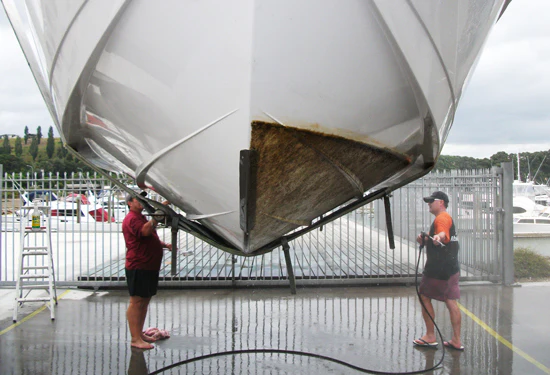
If you’ve noticed green or brown streaks baked into the sides or bottom of your boat, you’re dealing with algae stains. They’re stubborn, they spread fast, and they make even a well-kept hull look neglected. The trick is learning how to remove stubborn algae stains from your boat hull without damaging paint, gelcoat, or anti-fouling layers.
Here’s the thing. Algae doesn’t just sit on the surface. It bonds into microscopic pores in the hull, and that’s why simple rinsing rarely works. You need the right mix of chemistry, technique, and patience. Once you get the hang of it, cleaning becomes predictable and far less stressful.
Why Algae Stains Become Stubborn
Algae grows fast in warm, nutrient-rich water. Once it attaches, sunlight bakes pigments into your hull. Over time, it becomes a stain rather than a surface blemish. Pressure washing alone won’t fix this. Scrubbing aggressively can damage the finish. You’re looking for controlled cleaning that lifts the stain rather than grinding it in.
Tools and Products You Actually Need
You don’t need a garage full of supplies. Just use the tools that work without scraping or scratching your hull.
- Soft-bristle marine brush
- Microfiber wash mitt
- Bucket of warm water
- Marine-safe hull cleaner formulated for algae
- White vinegar or diluted oxalic acid (optional)
- Spray bottle
- Rubber gloves
- Boat stand or lift
The goal is chemical lifting, not force.
Preparing the Hull
Start with a fresh rinse. Warm water helps loosen the top layer of algae. Even if the stains remain, removing loose material makes the cleaning solution more effective. If you can clean while the boat is still wet from hauling out, even better.
Position the boat where you have full access to stained areas. If possible, clean in the shade so products don’t dry too fast.
Step-by-Step Guide: How to Remove Stubborn Algae Stains from Your Boat Hull
1. Apply the Cleaning Solution Evenly
Spray your marine-safe algae cleaner directly onto the stained areas. Cover everything lightly. Let it sit for the dwell time listed on the label. This part matters because the cleaner needs time to break down pigments embedded in the hull.
If you prefer a DIY approach, mix equal parts white vinegar and warm water. This works well on moderate algae stains and is less harsh than heavy acids.
2. Use a Soft Brush to Loosen the Stain
Once the cleaner has rested, use a soft-bristle brush. Avoid stiff or wire brushes because they can scratch gelcoat quickly. Use gentle strokes and let the solution do most of the lifting. You should see green or brown streaks starting to fade.
3. Rinse Thoroughly With Fresh Water
Rinse from the top down. This removes loosened residue and keeps you from smearing material into cleaner areas. If some stains remain, don’t rush or start scrubbing harder. Reapply cleaner and repeat the gentle brushing. Two passes are common with older staining.
4. Use Oxalic Acid for Deep, Set-In Algae Stains
If the stain has been sitting for months or seasons, a diluted oxalic acid mix works wonders. It brightens hulls and breaks down deep organic stains. Apply lightly, let it rest, and rinse well. Wear gloves and avoid breathing the mist.
Never use strong acids on aluminum hulls. Stick to marine-safe cleaners for those.
5. Final Wash and Microfiber Finish
Once the stains lift, wash the area with mild soap and water to neutralize any leftover product. Wipe with a microfiber cloth to check for smoothness. The hull should feel clean and consistent without sticky patches or chalky residue.
Different Hull Types Need Different Care
Fiberglass Hulls
They’re durable but scratch easily. Stick with soft brushes, gentle cleaners, and avoid overly abrasive pads.
Gelcoat Finishes
Gelcoat stains deeply because algae sinks into pores. Cleaners need time to work. Don’t attack gelcoat with aggressive scrubbing.
Painted or Anti-Fouling Hulls
Remove stains without scrubbing through paint. Keep your motions light and let chemistry do the work.
How to Prevent Future Algae Stains
Once your hull is clean, prevention saves far more time than repeated deep cleaning. Here’s what to do:
- Apply a marine wax or protective coating after cleaning.
- Keep anti-fouling paint updated and intact.
- Rinse the hull with fresh water after each outing when possible.
- Store on a lift or trailer to reduce exposure.
- Inspect monthly during peak season.
For maintenance tips, you can dig into resources like BoatUS care guides and NOAA marine environment insights.
When You Should Call a Professional
If algae stains cover large areas, or if cleaners reveal faded patches or exposed layers, bring in a pro. They can treat the hull without burning through paint or damaging coatings. This is especially helpful if the hull hasn’t been cleaned in years.
Keep Your Hull Looking Sharp All Season
Learning how to remove stubborn algae stains from your boat hull turns a messy job into a simple routine. Once you understand what works, you spend less time scrubbing and more time out on the water. Clean early, clean gently, and protect the finish so algae never has a chance to dig in again.
FAQs
What’s the safest way to remove algae stains from fiberglass?
Use a marine-safe cleaner, soft brush, and gentle motions. Let the product lift the stain instead of scrubbing aggressively.
Can pressure washing remove algae stains?
It removes loose growth but rarely eliminates deep stains. Use it as part of the prep, not your main method.
How often should I clean algae from my hull?
Every 4–8 weeks during warm seasons or whenever you see early discoloration.