Every boat owner knows that hurricane season isn’t just about securing your dock lines—it’s about protecting the entire vessel from the destructive force of storms. Your hull, the very foundation of your boat’s structure and performance, faces intense pressure during hurricanes. High winds, debris, and surging tides can wreak havoc on poorly maintained surfaces. That’s why hurricane season hull prep is more than a task—it’s essential defense for your investment.
A clean, well-maintained hull not only improves performance but also prevents damage when nature unleashes her power. With the right cleaning routine, inspection strategy, and protective measures, you can ensure your boat stands the best chance against Florida’s—or any coastal state’s—storm season.
Why Hurricane Season Hull Prep Matters
During hurricanes, boats endure more than just wind. Floating debris, saltwater intrusion, and pounding waves all take a toll. A dirty or weakened hull becomes vulnerable to scratches, osmotic blistering, and corrosion. Proper hurricane season hull prep ensures your hull is clean, sealed, and structurally sound—ready to withstand the elements and minimize costly post-storm repairs.
Boats that skip this preparation often suffer long-term consequences: paint peeling, delamination, or hull pitting. And these problems don’t show up immediately—they appear months later, silently eating away at your vessel’s performance and safety.
The Ultimate Storm-Ready Hull Cleaning Checklist
Before hurricane season peaks, you’ll want to complete a detailed hull cleaning and inspection routine. Here’s a step-by-step guide that ensures your boat is truly storm-ready.
1. Start with a Full Hull Inspection
Begin your preparation with a thorough visual check of your hull, both above and below the waterline. Look for cracks, chips, or any signs of gelcoat blistering. Even minor imperfections can turn into major damage during high-pressure storms. If you notice any damage, repair it immediately before moving forward with cleaning.
2. Pressure Wash the Hull
Use a marine-grade pressure washer to remove barnacles, algae, and salt buildup. Start from the keel and work upward. Avoid using household cleaners—they can damage marine coatings. Stick with biodegradable, marine-safe products to protect your paint and the environment. The BoatUS Foundation provides a list of eco-friendly cleaning solutions.
3. Remove Marine Growth and Biofilm
Marine growth adds unnecessary weight and increases drag. During hurricanes, these organisms can trap debris and damage your hull further. Use a non-abrasive scrubber or hull brush to gently remove all remnants of growth. For stubborn areas, a specialized hull scraper can help—but be careful not to damage your antifouling paint.
4. Check and Reapply Antifouling Paint
Once the hull is clean, inspect the antifouling paint for wear or peeling. Reapply a fresh coat if needed. This step prevents marine growth from returning and gives your hull an added protective layer against saltwater damage. Choose an antifouling paint that’s appropriate for your region’s water temperature and salinity.
5. Polish and Wax for Added Protection
A good wax job can make a huge difference during storm season. Wax creates a hydrophobic barrier that repels water and minimizes salt accumulation. It also provides an extra shield against UV rays, which can degrade gelcoat. Apply a marine-grade polish before waxing to smooth out the surface and remove oxidation.
6. Inspect the Hull Hardware
All through-hull fittings, drains, and bolts should be checked for corrosion or leaks. Replace any worn-out seals or rusty components immediately. A compromised fitting could allow water to enter during heavy rain or wave action, increasing the risk of sinking.
7. Clean the Bilge and Drains
A dirty or clogged bilge can trap debris and prevent water from draining efficiently during storms. Clean the bilge thoroughly, ensuring pumps and float switches work properly. Add a bilge cleaner or deodorizer to prevent odors and bacterial buildup.
8. Apply Protective Coatings to Metal Parts
Metal components like propellers, shafts, and rudders are prone to corrosion, especially in saltwater. Coat these parts with anti-corrosive sprays or grease to prevent rust during extended exposure to moisture and debris.
9. Inspect Sacrificial Anodes
Anodes protect your metal parts from galvanic corrosion. During storm season, constant saltwater exposure can accelerate wear. Replace any anodes that are more than halfway depleted to maintain protection.
10. Secure and Store Properly
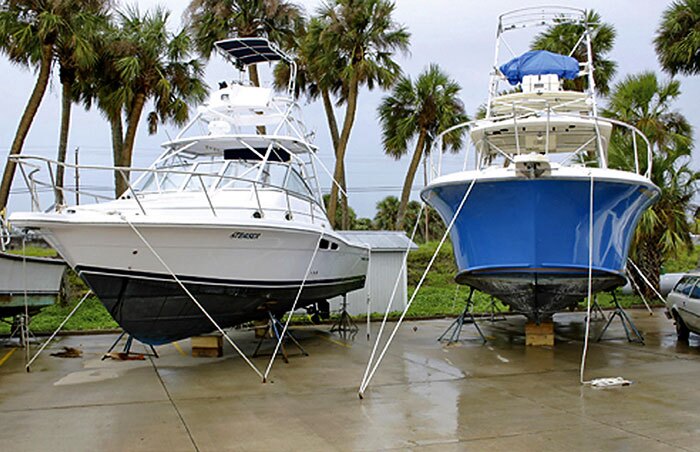
Once cleaning is complete, ensure your boat is stored in a safe, elevated area or hauled out if a hurricane is approaching. Remove detachable items, secure covers, and tie down your vessel using hurricane-rated straps. A well-prepared hull is only part of the battle—safe storage completes the defense.
How Hull Cleaning Enhances Storm Resistance
A clean hull isn’t just aesthetic—it directly affects your boat’s resilience. Marine growth and dirt increase drag, which means your boat works harder and becomes less maneuverable. During hurricane evacuations or repositioning, this can make all the difference. Regular hurricane season hull prep ensures your vessel stays responsive and fuel-efficient.
- Reduced drag: Smooth surfaces cut through waves more efficiently.
- Improved buoyancy: Clean hulls displace water evenly, maintaining stability in rough seas.
- Stronger surface integrity: Prevents blistering and cracking during storm surges.
Eco-Friendly Hurricane Hull Prep Tips
Storm runoff already brings enough pollutants into the water. Using non-toxic cleaners and biodegradable soaps helps protect both your boat and the marine environment. You can find EPA-approved marine cleaning products listed by the U.S. Environmental Protection Agency. Avoid bleach or harsh solvents—they strip coatings and harm marine life.
Storm-Ready Hull Maintenance Schedule
Consistency is the secret to storm readiness. Instead of waiting for hurricane warnings, maintain your hull year-round with this schedule:
- Monthly: Rinse the hull and inspect for algae or barnacles.
- Quarterly: Perform deep cleaning and inspect for cracks or corrosion.
- Biannually: Reapply antifouling paint and wax the surface.
- Pre-hurricane season: Complete full storm prep, inspection, and repairs.
Common Mistakes During Hurricane Hull Prep
- Skipping inspections: Hidden cracks can worsen under storm pressure.
- Using wrong cleaners: Household detergents can strip marine coatings.
- Neglecting metal fittings: Unprotected metal corrodes quickly in salt spray.
- Forgetting drain checks: Blocked scuppers can lead to onboard flooding.
Safety Tips During Hurricane Hull Prep
While cleaning and prepping, always wear gloves and non-slip shoes. Avoid working alone if the boat is docked in open water. When using chemicals or waxes, make sure you have adequate ventilation.
Post-Hurricane Hull Care
Once the storm has passed, inspect your hull again. Look for dents, scrapes, or waterline shifts that might indicate hidden damage. If your boat was submerged or hit debris, schedule a professional inspection immediately. Early detection prevents future failures.
FAQs About Hurricane Season Hull Prep
1. How early should I start hurricane season hull prep?
Start at least a month before peak hurricane season. This gives you time for repairs, cleaning, and drying before applying protective coatings.
2. Can I use car wax for my boat hull?
No, car wax isn’t designed for marine environments. Use marine-grade wax to ensure protection against saltwater and UV rays.
3. How often should I clean my boat hull during hurricane season?
Clean and inspect your hull every 4–6 weeks, especially if you keep your boat in the water full-time. Regular cleaning prevents buildup that weakens protective coatings.
4. Is antifouling paint necessary for hurricane prep?
Yes, antifouling paint reduces marine growth and prevents organisms from compromising your hull during long, wet storm conditions.
5. What’s the best storage option during a hurricane?
Dry storage on high ground or hauling your boat out of the water is safest. If you must leave it docked, use heavy-duty hurricane straps and remove all loose items.
Conclusion
Hurricane season can be unpredictable, but preparation isn’t. With the right hurricane season hull prep routine, you can shield your boat from damage, save money on repairs, and sail into the next season with confidence. A clean, protected hull is your best defense against nature’s fury.
Ready to Protect Your Boat?
Don’t wait for the storm to arrive. Schedule a professional hull cleaning and storm-prep service today to make sure your vessel is ready for whatever the season brings. Contact us to learn more about our hurricane preparation packages and keep your boat safe all year long.