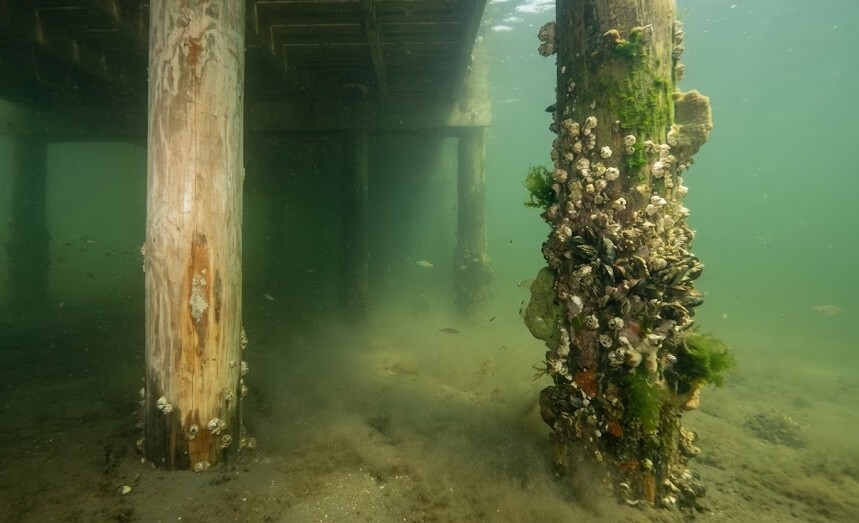
Dock piling cleaning is essential for maintaining structural integrity, safety, and appearance—but many dock owners face a common question: professional vs DIY dock piling cleaning, which is better? While cleaning dock pilings yourself may seem like a cost-saving option, the long-term risks, safety concerns, and effectiveness of DIY methods often tell a different story.
This guide provides a clear, honest comparison between professional and DIY dock piling cleaning, covering cost, effectiveness, safety, environmental impact, and long-term value so you can make the right decision for your dock.
What Dock Piling Cleaning Involves
Dock piling cleaning removes marine growth such as barnacles, algae, mussels, and slime that accumulate on pilings below the waterline. This buildup adds weight, traps moisture, hides structural damage, and accelerates deterioration.
Whether done professionally or DIY, the goal is to expose piling surfaces, preserve materials, and prevent costly repairs.
DIY Dock Piling Cleaning: What It Typically Looks Like
DIY dock piling cleaning usually involves basic hand tools and surface-level cleaning performed by the dock owner.
Common DIY Tools
- Hand scrapers
- Nylon or wire brushes
- Above-water pressure washers
- Waders or basic snorkel gear
Advantages of DIY Cleaning
- Lower upfront cost
- Immediate access without scheduling
- Suitable for very light surface growth
Limitations of DIY Dock Piling Cleaning
- Limited reach below the waterline
- Inconsistent results
- Higher risk of surface damage
- Safety hazards during underwater work
- Difficulty detecting hidden structural issues
DIY cleaning often removes visible growth while leaving deeper buildup untouched.
Professional Dock Piling Cleaning: How It Works
Professional dock cleaning services use trained divers, specialized equipment, and environmentally responsible methods to clean pilings thoroughly.
What Professionals Use
- Commercial diving gear
- Underwater inspection tools
- Cavitation cleaning systems
- Marine-safe removal techniques
Advantages of Professional Dock Piling Cleaning
- Complete below-waterline coverage
- Consistent and thorough results
- Improved safety and risk management
- Early detection of damage or corrosion
- Environmentally compliant methods
Professional services don’t just clean—they assess the overall health of your dock pilings.
Professional vs DIY Dock Piling Cleaning: Side-by-Side Comparison
| Factor | DIY Cleaning | Professional Cleaning |
| Cleaning depth | Surface-level | Full underwater coverage |
| Effectiveness | Inconsistent | High and uniform |
| Safety | Higher personal risk | Professionally managed |
| Environmental compliance | Variable | Consistent and regulated |
| Damage detection | Limited | Detailed assessment |
| Long-term cost | Often higher | Lower over time |
Safety Risks of DIY Dock Piling Cleaning
Underwater cleaning introduces hazards that many dock owners underestimate.
- Slips, falls, and entanglement risks
- Limited visibility underwater
- Sharp barnacles and marine debris
- Risk of damaging pilings with improper tools
Professional cleaners are trained to manage these risks safely.
Environmental Impact: DIY vs Professional Methods
Improper dock piling cleaning can negatively impact surrounding ecosystems.
- DIY pressure washing can release debris into the water
- Harsh tools can damage marine habitats
- Improper disposal of growth may violate regulations
Professional services follow guidelines recommended by the Environmental Protection Agency to protect water quality.
Cost Comparison: Short-Term vs Long-Term
DIY cleaning appears cheaper upfront, but long-term costs often tell a different story.
| Cost Aspect | DIY | Professional |
| Initial expense | Low | Moderate |
| Frequency required | More often | Less often |
| Risk of repairs | Higher | Lower |
| Overall value | Short-term | Long-term |
When DIY Dock Piling Cleaning May Be Acceptable
DIY cleaning can work in limited situations:
- Light algae growth
- Above-water sections only
- Freshwater environments with low growth
Even in these cases, professional inspections are still recommended.
When Professional Dock Piling Cleaning Is the Better Choice
Professional services are strongly recommended when:
- Marine growth is heavy or recurring
- Pilings are older or damaged
- Work is required below the waterline
- Safety or compliance is a concern
- Long-term dock preservation matters
FAQs About Professional vs DIY Dock Piling Cleaning
Is professional dock piling cleaning worth the cost?
Yes. It prevents costly repairs, improves safety, and delivers better long-term value.
Can DIY cleaning damage dock pilings?
Yes. Improper tools or techniques can erode surfaces and shorten piling lifespan.
How often should professionals clean dock pilings?
Typically every 3–6 months in saltwater and annually in freshwater.
Do professionals use chemicals?
Most rely on mechanical and cavitation methods rather than harsh chemicals.
Conclusion
When comparing professional vs DIY dock piling cleaning, the answer is clear for most dock owners. While DIY methods may seem convenient, professional cleaning offers superior safety, effectiveness, and long-term cost savings. Thorough underwater cleaning, early damage detection, and environmentally responsible practices protect both your dock and your investment.
For safe, effective, and professional dock piling cleaning, contact us today. We also provide Hull Cleaning, Cavitation Cleaning, Zinc Replacement, Underwater Inspections, and Wash & Detailing to keep your dock and marine assets in peak condition year-round.