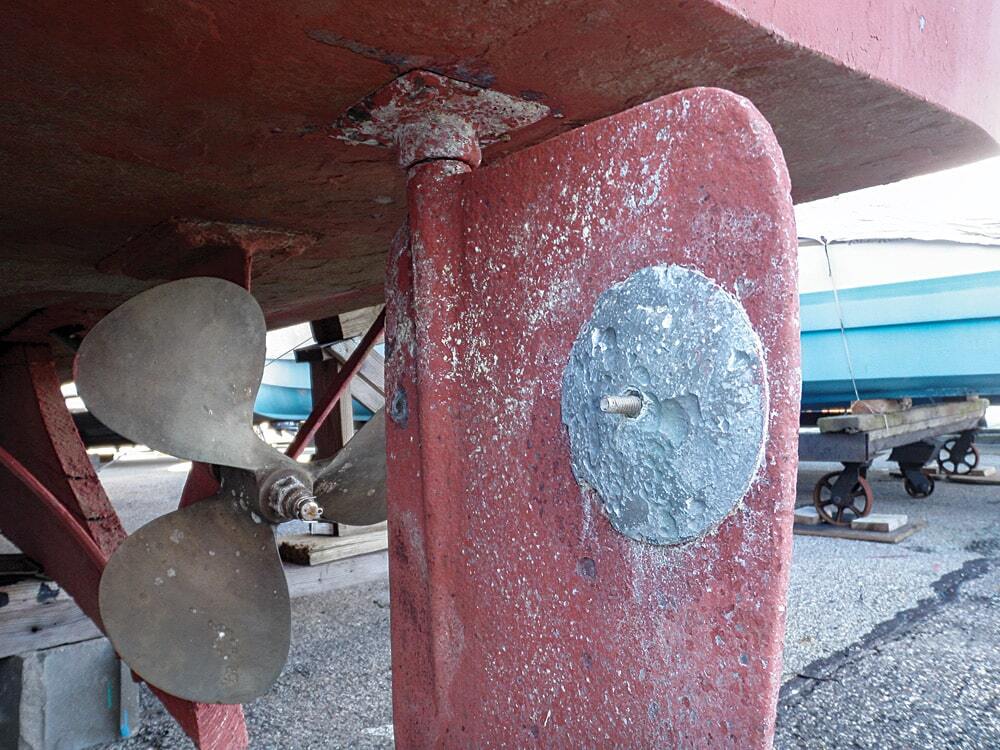
Protecting metal structures from corrosion can save you thousands in repairs, especially in harsh marine environments where saltwater accelerates damage. Did you know that corrosion costs the global economy over $2.5 trillion annually? Sacrificial anodes play a crucial role in preventing this by corroding in place of valuable assets like boat hulls or pipelines. In this article, we’ll compare zinc, aluminum, and magnesium sacrificial anodes to help you decide which is best for your needs.
We’ll start by defining sacrificial anodes and their importance, backed by recent data. Then, we’ll explore their key benefits, effective usage steps, best practices for 2025, common mistakes to avoid, and frequently asked questions. Whether you’re a boat owner or managing industrial equipment, understanding sacrificial anodes ensures long-term protection. By the end, you’ll know how to select and apply sacrificial anodes confidently.
What Are Sacrificial Anodes and Why Are They Important?
Sacrificial anodes are metal alloys designed to corrode preferentially, protecting more valuable metals from rust and degradation through cathodic protection. They work by creating a galvanic cell where the anode, being more electrochemically active, sacrifices itself while the protected structure (the cathode) remains intact. Common types include zinc, aluminum, and magnesium sacrificial anodes, each suited to specific environments like saltwater, freshwater, or brackish conditions.
Their importance stems from preventing galvanic corrosion, which occurs when dissimilar metals in an electrolyte like seawater exchange electrons, leading to deterioration. For instance, in marine settings, sacrificial anodes safeguard boat hulls, propellers, and offshore platforms. Recent data from 2024 shows that proper use of sacrificial anodes can extend asset life by up to 50%, reducing maintenance costs significantly. In the oil and gas industry, they protect pipelines, with global demand rising 15% in the past year due to increased offshore activities. Without sacrificial anodes, structures face accelerated failure, emphasizing their role in safety and efficiency.
Key Benefits of Sacrificial Anodes
Sacrificial anodes offer reliable corrosion protection with minimal upkeep. Here are their main advantages:
- Cost-Effective Long-Term Savings: Sacrificial anodes reduce repair needs by corroding instead of critical components, potentially saving 30-40% on maintenance over a decade.
- Versatility Across Environments: Zinc sacrificial anodes excel in saltwater, aluminum in brackish or mixed waters, and magnesium in freshwater, allowing tailored protection.
- Easy Installation and Low Maintenance: You install sacrificial anodes directly onto structures without external power, and they require only periodic checks, unlike impressed current systems.
- Environmental Friendliness: Modern aluminum sacrificial anodes avoid toxic releases like cadmium from older zinc types, supporting eco-friendly practices in marine applications.
- High Efficiency in Harsh Conditions: Sacrificial anodes provide consistent protection even in high-resistivity soils or waters, outperforming alternatives in remote or offshore setups.
How to Use Sacrificial Anodes Effectively
Install sacrificial anodes correctly to maximize their protective potential. Follow these step-by-step instructions for optimal results.
Assess Your Environment
Evaluate the water type—saltwater favors zinc or aluminum sacrificial anodes, freshwater suits magnesium, and brackish calls for aluminum. Measure resistivity and structure materials to choose the right alloy.
Select the Appropriate Type and Size
Choose based on needs: zinc sacrificial anodes for stable saltwater use, aluminum for versatility, or magnesium for high-output freshwater protection. Calculate anode mass using formulas like current demand times design life divided by capacity—aim for 20-30% coverage of the protected area.
Prepare the Surface
Clean the attachment site on your boat hull or pipeline to remove paint, rust, or debris. Ensure direct metal-to-metal contact for electron flow.
Install Securely
Bolt or weld sacrificial anodes in place, positioning them near vulnerable areas like propellers or joints. Use multiple units for larger structures, spacing them evenly for uniform protection.
Monitor and Replace
Inspect sacrificial anodes every 6-12 months. Replace when 50% corroded to maintain effectiveness—aluminum types often last longer than zinc in mixed waters.
Best Practices for Sacrificial Anodes in 2025
Adopt current trends to enhance sacrificial anodes’ performance this year. Focus on alloy innovations, as 2025 sees a shift toward high-purity aluminum sacrificial anodes with indium additives for better efficiency in variable waters. Integrate monitoring tech like remote sensors to track corrosion rates in real-time, reducing inspection costs by 25%.
Prioritize eco-friendly options—avoid cadmium-laden zinc sacrificial anodes and opt for aluminum to comply with tightening marine regulations. For boats, combine sacrificial anodes with galvanic isolators to prevent stray currents, especially in crowded marinas. Test installations annually using reference electrodes to ensure potential differences stay between -0.8V and -1.1V. Stay updated via industry reports, as AI-driven predictive modeling now forecasts anode lifespan with 90% accuracy, helping you plan replacements proactively.
Common Mistakes to Avoid When Using Sacrificial Anodes
Steer clear of pitfalls that undermine sacrificial anodes’ effectiveness. One error is mismatching anode type to environment—using magnesium sacrificial anodes in saltwater leads to rapid depletion and calcareous buildup. Fix this by consulting water resistivity charts before selection.
Another mistake involves poor installation, like painting over sacrificial anodes, which blocks electron flow. Always ensure bare metal contact and remove coatings from attachment points. Overlooking monitoring causes unexpected failures—neglect inspections, and anodes may deplete fully, exposing structures. Set calendar reminders for checks.
Finally, underestimating quantity results in uneven protection. Calculate based on surface area and current needs to avoid spot corrosion. Address these by following manufacturer guidelines and seeking expert advice for complex setups.
FAQs About Sacrificial Anodes
What are the main differences between zinc, aluminum, and magnesium sacrificial anodes?
Zinc sacrificial anodes suit saltwater with even corrosion, aluminum offers versatility and longevity in brackish waters, while magnesium provides high output for freshwater but depletes quickly in salt.
How long do sacrificial anodes typically last?
Zinc and aluminum sacrificial anodes last 1-3 years in marine use, depending on conditions, while magnesium may need replacement every 6-12 months in freshwater.
Can I use sacrificial anodes on aluminum boats?
Yes, but choose aluminum or magnesium sacrificial anodes to match potentials and avoid overprotection that could damage hulls.
Are sacrificial anodes environmentally safe?
Modern aluminum sacrificial anodes are safer, lacking cadmium, unlike some zinc types—always select certified alloys for minimal impact.
How do I know if my sacrificial anodes are working?
Measure the structure’s potential with a reference electrode; effective sacrificial anodes maintain readings below -0.8V.
Conclusion
Sacrificial anodes provide essential corrosion protection by prioritizing zinc, aluminum, or magnesium based on your environment—zinc for saltwater stability, aluminum for broad use, and magnesium for freshwater potency. They save costs, extend asset life, and adapt to 2025 trends like eco-friendly alloys and smart monitoring.
Ready to protect your boat or pipeline? Visit our website for quality sacrificial anodes and expert guidance. Act now to prevent corrosion before it starts.