Introduction
Is your boat sluggish and burning more fuel than it should? Regular propeller polishing can significantly enhance boat speed and fuel economy, saving you money and improving your boating experience. Fouled propellers, covered in barnacles or algae, increase drag and reduce efficiency. This article explores why polishing your propeller regularly is crucial, its benefits, and how to do it effectively in 2025. From DIY tips to professional services, we’ll guide you to a smoother ride. For more maintenance insights, check our boat care guide.
What is Regular Propeller Polishing and Why is it Important?
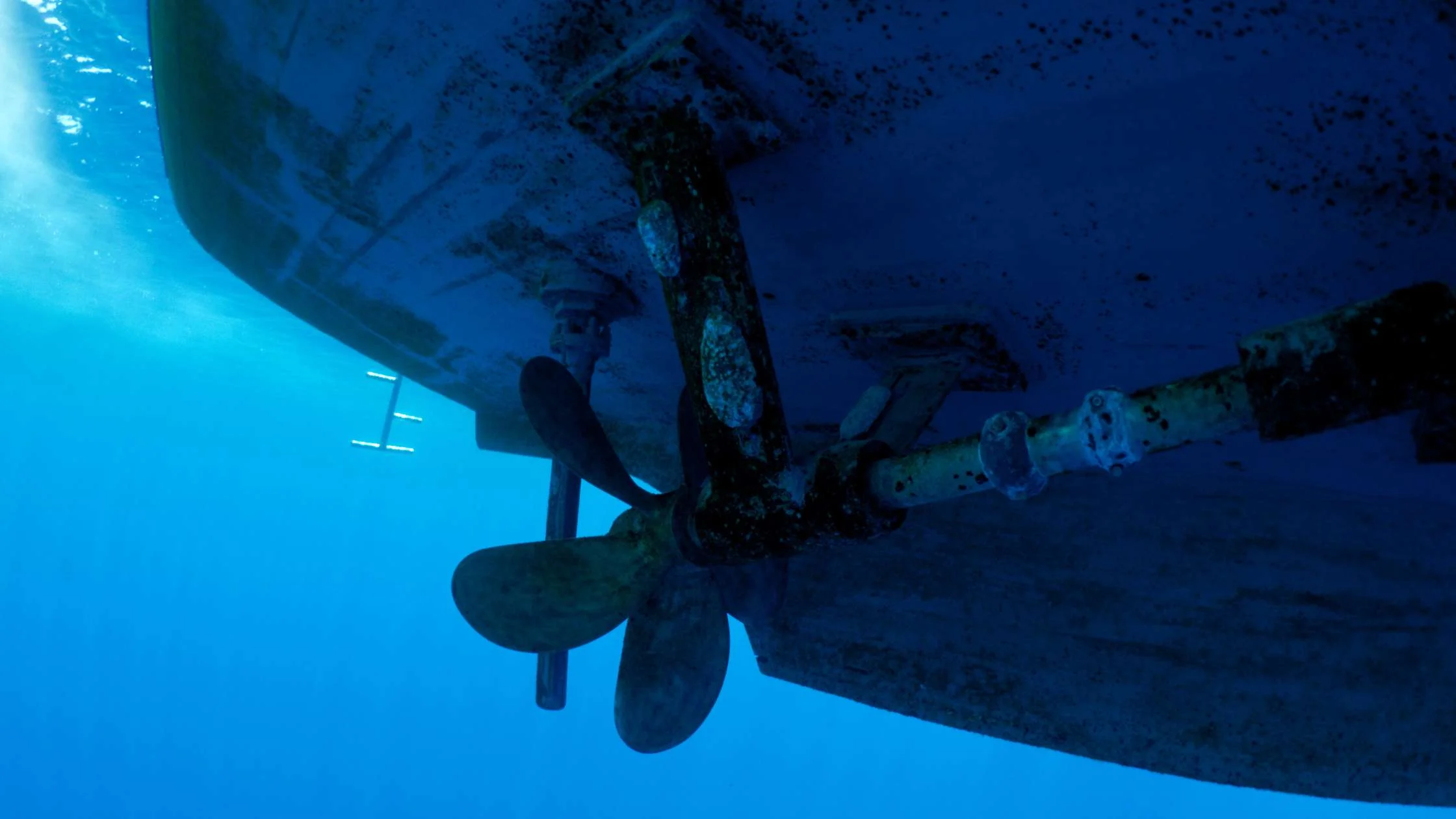
Regular propeller polishing involves cleaning and smoothing a boat’s propeller to remove biofouling—marine organisms like barnacles and algae—and surface imperfections. A polished propeller reduces drag and improves thrust, directly impacting boat speed and fuel economy.
A 2024 International Maritime Organization report found that fouled propellers can increase fuel consumption by 10-20%, costing boaters hundreds annually. Regular polishing enhances performance, reduces emissions, and extends propeller lifespan. It also ensures compliance with environmental regulations. For eco-friendly maintenance, see our sustainable boating guide.
Key Benefits of Regular Propeller Polishing
Polishing your propeller regularly offers significant advantages:
- Increased Boat Speed: A smooth propeller improves thrust, boosting speed by up to 10%.
- Improved Fuel Economy: Reduced drag cuts fuel use by 10-20%, saving money.
- Extended Propeller Lifespan: Polishing prevents corrosion and damage, reducing replacement costs.
- Environmental Protection: Lower fuel consumption reduces carbon emissions, supporting green boating.
- Enhanced Maneuverability: A polished propeller improves handling and responsiveness.
These benefits make regular polishing a must for efficient boating.
How to Perform Regular Propeller Polishing Effectively
Follow these steps to polish your propeller effectively:
- Inspect the Propeller: Check for biofouling, nicks, or corrosion using divers or during dry-docking.
- Choose Eco-Friendly Cleaners: Use biodegradable, non-toxic products to remove fouling safely.
- Use Proper Tools: Employ fine sandpaper, polishing pads, or professional tools for a smooth finish.
- Polish Carefully: Smooth out imperfections without altering the propeller’s balance or shape.
- Apply Protective Coatings: Use anti-corrosive or antifouling coatings to slow future fouling.
- Schedule Regular Polishing: Polish every 3-6 months, depending on water conditions and boat usage.
Best Practices for Regular Propeller Polishing in 2025
Adopt these 2025 best practices for optimal results:
- Use Advanced Tools: Polishing systems like PropSpeed, trending 25% higher in Google searches, offer eco-friendly, durable coatings.
- Monitor Water Conditions: Warm, salty waters accelerate fouling; adjust polishing frequency accordingly.
- Hire Certified Professionals: For complex propellers, use experts trained in eco-friendly techniques.
- Comply with Regulations: Ensure polishing methods meet 2025 IMO and EPA guidelines to protect marine ecosystems.
- Combine with Hull Cleaning: Pair propeller polishing with hull maintenance for comprehensive efficiency gains.
These practices maximize boat speed and fuel economy while staying sustainable.
Common Mistakes to Avoid When Polishing Your Propeller
Avoid these errors to ensure effective polishing:
- Over-Polishing: Excessive sanding can unbalance the propeller, reducing performance.
- Using Harsh Chemicals: Non-eco-friendly cleaners harm marine life and violate regulations.
- Polishing Infrequently: Delayed polishing allows heavy fouling, cutting fuel economy.
- Ignoring Propeller Damage: Failing to repair nicks or dents before polishing reduces effectiveness.
- Skipping Professional Help: Complex or heavily fouled propellers require expert services to avoid damage.
Avoiding these mistakes ensures a smooth, efficient propeller.
FAQs About Regular Propeller Polishing
Q: Why does propeller polishing improve boat speed?
A: Polishing removes fouling and smooths surfaces, reducing drag and improving thrust for faster speeds.
Q: How often should I polish my propeller?
A: Polish every 3-6 months in warm, salty waters or 6-12 months in cooler climates, based on fouling levels.
Q: Can propeller polishing save fuel?
A: Yes, a polished propeller reduces drag, cutting fuel use by 10-20%, per 2024 studies.
Q: Is DIY propeller polishing safe?
A: For light fouling, yes, using eco-friendly cleaners and proper tools. Heavy fouling requires professionals.
Q: Are there eco-friendly polishing methods?
A: Yes, biodegradable cleaners and coatings like PropSpeed minimize environmental impact.
Conclusion
Regular propeller polishing is a game-changer for boosting boat speed and fuel economy while protecting your vessel and the environment. By using eco-friendly tools, following 2025 best practices, and avoiding common mistakes, you can save money and enjoy a smoother ride. Keep your propeller in top shape with consistent maintenance tailored to your boating conditions. Ready to optimize your boat’s performance? Explore our professional hull cleaning services!