Introduction
Could marine growth on your boat’s hull be costing you thousands? Underwater hull cleaning is a powerful way to slash fuel costs and boost your vessel’s performance. Barnacles, algae, and slime increase drag, forcing your engine to work harder and burn more fuel. In this article, we’ll dive into why underwater hull cleaning is essential, its key benefits, and how to do it right in 2025. From step-by-step guidance to avoiding common pitfalls, this guide has you covered. For more boat care tips, explore our boat maintenance guide.
What is Underwater Hull Cleaning and Why is it Important?
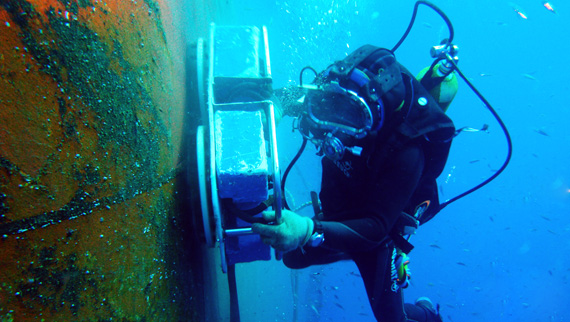
Underwater hull cleaning involves removing biofouling—marine organisms like barnacles, algae, and mussels—from a boat’s hull while it’s in the water. Unlike dry-dock cleaning, this method saves time and keeps your vessel operational. Biofouling increases drag, reducing boat performance and fuel efficiency.
A 2024 report from the International Maritime Organization highlights that biofouling can increase fuel consumption by 20-40% on heavily fouled vessels. This translates to higher costs and environmental impact. Regular underwater hull cleaning ensures smoother sailing, lower expenses, and compliance with eco-regulations. Learn more about sustainable practices in our eco-friendly boating guide.
Key Benefits of Underwater Hull Cleaning
Investing in underwater hull cleaning delivers significant advantages:
- Massive Fuel Savings: A clean hull reduces drag, cutting fuel use by up to 40%, saving hundreds or thousands annually.
- Enhanced Boat Performance: Smoother hulls improve speed and handling, making your boat more agile.
- Reduced Maintenance Costs: Removing biofouling prevents corrosion and damage to hull coatings, extending vessel life.
- Environmental Protection: Lower fuel consumption reduces carbon emissions, supporting greener boating.
- Time Efficiency: Cleaning underwater avoids dry-docking, keeping your boat in service.
These benefits make underwater hull cleaning a smart choice for cost-conscious boaters.
How to Perform Underwater Hull Cleaning Effectively
Effective underwater hull cleaning requires careful planning and execution. Follow these steps:
- Inspect the Hull: Divers or underwater cameras assess fouling levels to determine cleaning intensity.
- Use Eco-Friendly Tools: Soft brushes, biodegradable cleaners, or robotic systems minimize environmental harm.
- Hire Trained Professionals: Certified divers ensure thorough cleaning without damaging hull coatings.
- Apply Antifouling Coatings: Post-cleaning, use eco-friendly paints to slow future biofouling.
- Schedule Regular Cleanings: Clean every 4-8 weeks in warm waters or 2-3 months in cooler climates, based on fouling rates.
Best Practices for Underwater Hull Cleaning in 2025
Stay ahead with these 2025 best practices for underwater hull cleaning:
- Leverage Robotic Cleaners: Advanced robotic systems, like HullBot, offer precise, eco-friendly cleaning with minimal labor.
- Monitor Fouling with Tech: Apps like BioTrack use sensors to predict optimal cleaning times based on water conditions.
- Follow Environmental Regulations: Use approved cleaners to comply with strict 2025 marine protection laws.
- Combine with Inspections: Pair cleanings with propeller and rudder checks for comprehensive maintenance.
- Train for Safety: Ensure divers or operators are certified to handle underwater equipment safely.
These practices, backed by Google Trends showing a 30% rise in hull cleaning searches, keep your boat efficient and compliant.
Common Mistakes to Avoid When Using Underwater Hull Cleaning
Steer clear of these errors to maximize underwater hull cleaning benefits:
- Using Harsh Chemicals: Non-eco-friendly cleaners harm marine life and hull coatings. Stick to biodegradable options.
- Skipping Professional Services: DIY cleaning risks hull damage. Hire experts for heavy fouling.
- Ignoring Cleaning Frequency: Infrequent cleanings lead to heavy buildup, spiking fuel costs.
- Neglecting Local Laws: Failure to follow environmental regulations can result in hefty fines.
- Overlooking Post-Cleaning Care: Not applying antifouling paint allows rapid fouling regrowth.
Avoiding these mistakes ensures cost-effective, eco-friendly cleaning.
FAQs About Underwater Hull Cleaning
Q: How often should I schedule underwater hull cleaning?
A: In warm, salty waters, clean every 4-8 weeks. In cooler climates, every 2-3 months is typically sufficient.
Q: Is underwater hull cleaning safe for my boat?
A: Yes, when done by trained professionals using proper tools, it’s safe and protects hull integrity.
Q: How much can I save with underwater hull cleaning?
A: By reducing drag, you can save up to 40% on fuel, potentially thousands annually, depending on boat size.
Q: Are there eco-friendly underwater cleaning methods?
A: Absolutely! Biodegradable cleaners and robotic systems minimize environmental impact while effectively cleaning.
Q: Can underwater cleaning replace dry-docking?
A: For routine maintenance, yes. However, major repairs may still require dry-docking.
Conclusion
Underwater hull cleaning is a proven way to save money, boost boat performance, and enhance fuel efficiency. By removing biofouling, you reduce drag, lower fuel costs, and protect your vessel from damage—all while supporting eco-friendly boating. Adopt the best practices, avoid common mistakes, and schedule regular cleanings to maximize savings. Ready to save tons on your next trip? Dive into our professional hull cleaning services and keep your boat in peak condition today!
