Introduction
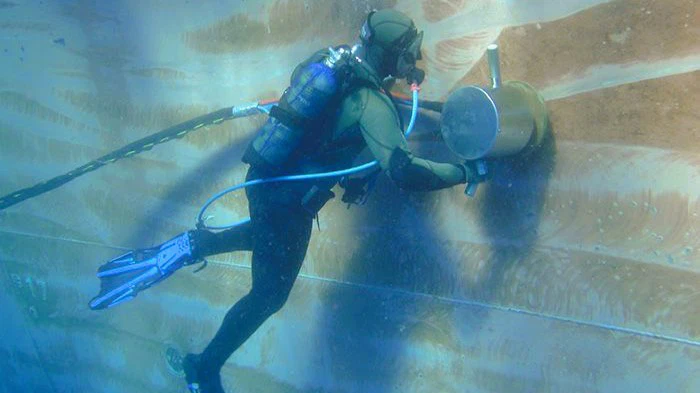
Are you risking hefty fines with your boat maintenance? Environmental regulations for boat hull cleaning are stricter than ever, and non-compliance can harm marine ecosystems and your wallet. Biofouling, like barnacles and algae, impacts boat performance and fuel efficiency, but improper cleaning methods can pollute waterways. This article breaks down the latest regulations, their benefits, and how to comply in 2025. From eco-friendly practices to avoiding mistakes, we’ll guide you to sustainable boating. For more tips, check our sustainable boating guide.
What are Environmental Regulations for Boat Hull Cleaning and Why Are They Important?
Environmental regulations for boat hull cleaning are laws and guidelines set by organizations like the International Maritime Organization (IMO) and the Environmental Protection Agency (EPA) to ensure cleaning methods minimize harm to marine ecosystems. These rules govern the use of cleaners, tools, and waste disposal during hull cleaning.
A 2024 Marine Conservation Society report found that improper hull cleaning contributes to 15% of coastal water pollution. Compliance protects marine life, reduces environmental impact, and avoids fines, while maintaining fuel efficiency and boat performance. For more on eco-friendly practices, see our eco-friendly boating guide.
Key Benefits of Complying with Environmental Regulations for Boat Hull Cleaning
Following these regulations offers significant advantages:
- Environmental Protection: Approved methods reduce pollution, safeguarding marine ecosystems.
- Avoidance of Fines: Compliance prevents penalties, which can reach thousands in some regions.
- Improved Fuel Efficiency: Eco-friendly cleaning reduces drag, cutting fuel use by up to 40%.
- Enhanced Public Image: Sustainable practices appeal to eco-conscious communities and customers.
- Long-Term Cost Savings: Preventing ecosystem damage avoids costly remediation or repairs.
These benefits make regulatory compliance essential for responsible boating.
How to Comply with Environmental Regulations for Boat Hull Cleaning Effectively
To stay compliant, follow these steps:
- Research Local Regulations: Check IMO, EPA, or regional laws for specific cleaning requirements in your area.
- Use Biodegradable Cleaners: Select non-toxic, phosphate-free products certified by environmental agencies.
- Choose Eco-Friendly Tools: Opt for soft brushes or robotic cleaners to minimize debris and ecosystem harm.
- Hire Certified Professionals: For in-water cleaning, use services with IMO or EPA certifications.
- Dispose of Waste Properly: Ensure biofouling debris is collected and disposed of according to local guidelines.
Best Practices for Environmental Regulations for Boat Hull Cleaning in 2025
Adopt these 2025 best practices to ensure compliance:
- Leverage Robotic Cleaners: Systems like HullBot, trending 35% higher in Google searches, use eco-friendly water jets for compliant cleaning.
- Monitor with Technology: Apps like GreenHull track fouling levels to align cleanings with regulations.
- Use Approved Antifouling Coatings: Apply biocide-free or silicone-based paints to slow fouling sustainably.
- Stay Updated on Laws: Regularly check IMO and EPA updates, as regulations evolve to protect marine life.
- Train Staff or Divers: Ensure cleaners are certified in eco-friendly methods to meet regulatory standards.
These practices keep you compliant and environmentally responsible.
Common Mistakes to Avoid When Complying with Environmental Regulations for Boat Hull Cleaning
Avoid these errors to ensure compliance and effectiveness:
- Using Non-Approved Cleaners: Harsh chemicals can pollute waterways and lead to fines.
- Ignoring Local Laws: Regulations vary by region; failing to research them risks penalties.
- Improper Waste Disposal: Releasing biofouling debris into the water violates environmental guidelines.
- Skipping Certifications: Uncertified services may use non-compliant methods, harming ecosystems.
- Infrequent Cleaning: Delayed cleanings increase fouling, reducing fuel efficiency and raising emissions.
Avoiding these mistakes ensures eco-friendly, compliant hull cleaning.
FAQs About Environmental Regulations for Boat Hull Cleaning
Q: What are the key environmental regulations for hull cleaning?
A: Regulations from IMO and EPA require non-toxic cleaners, proper waste disposal, and eco-friendly methods to protect marine ecosystems.
Q: How often should I clean my hull to stay compliant?
A: Clean every 4-8 weeks in warm waters or 2-3 months in cooler climates, based on fouling and regulatory requirements.
Q: Can non-compliance lead to fines?
A: Yes, fines can reach thousands depending on the region and severity of environmental harm.
Q: Are robotic hull cleaners compliant with regulations?
A: Yes, systems like HullBot use eco-friendly methods, aligning with 2025 IMO and EPA standards.
Q: How do regulations impact fuel efficiency?
A: Compliant cleaning reduces drag, cutting fuel use by up to 40%, per 2024 studies.
Conclusion
Understanding and following environmental regulations for boat hull cleaning is crucial for protecting marine ecosystems, avoiding fines, and enhancing boat performance and fuel efficiency. By using eco-friendly cleaners, advanced technologies, and 2025 best practices, you can stay compliant while saving money and boating responsibly. Avoid common mistakes and prioritize sustainable methods to keep your vessel in top shape. Ready to go green? Explore our professional hull cleaning services!
