Introduction
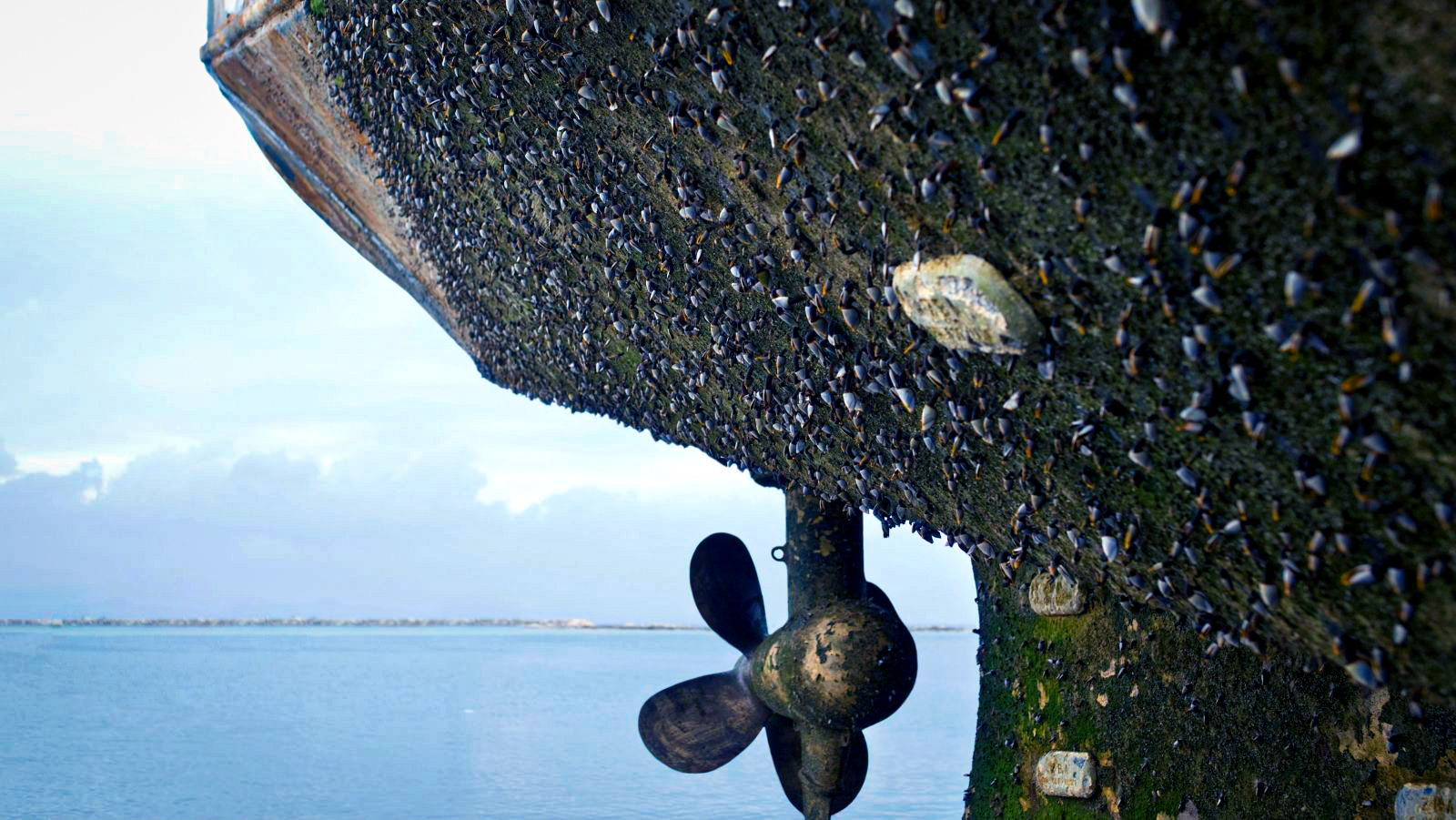
Is your boat’s hull covered in barnacles faster than you expected? The impact of salinity on boat hull fouling plays a major role in how quickly marine growth like algae and mussels accumulates, affecting boat performance and fuel efficiency. High salinity levels accelerate biofouling, increasing drag and fuel costs by up to 40%. This article explores how salinity influences fouling, its effects, and prevention strategies for 2025. From practical tips to best practices, we’ll help you keep your hull clean. For more insights, check our boat maintenance guide.
What is the Impact of Salinity on Boat Hull Fouling and Why is it Important?
The impact of salinity on boat hull fouling refers to how saltwater concentration influences the growth of marine organisms like barnacles, algae, and mussels on a boat’s hull. Higher salinity, common in oceans and coastal waters, promotes faster biofouling, increasing drag and fuel consumption.
A 2024 International Maritime Organization study found that heavy fouling in high-salinity waters can raise fuel use by 20-40%, costing boaters thousands annually. Understanding this impact helps boaters schedule cleanings, reduce environmental harm, and maintain boat performance. For eco-friendly solutions, see our sustainable boating guide.
Key Effects of Salinity on Boat Hull Fouling
Managing salinity-related fouling offers several benefits:
- Improved Fuel Efficiency: Regular cleaning in high-salinity waters reduces drag, cutting fuel use by up to 40%.
- Enhanced Boat Performance: A clean hull boosts speed and maneuverability, critical in saline environments.
- Reduced Maintenance Costs: Preventing heavy fouling avoids hull coating damage and costly repairs.
- Environmental Protection: Timely cleaning lowers emissions and prevents invasive species spread.
- Regulatory Compliance: Proper maintenance in saline waters aligns with 2025 environmental laws, avoiding fines.
These effects highlight the need to address salinity-driven fouling.
How to Manage Salinity-Related Boat Hull Fouling Effectively
To combat fouling in high-salinity waters, follow these steps:
- Monitor Salinity Levels: Check local water conditions, as salinity above 30 ppt (parts per thousand) accelerates fouling.
- Inspect the Hull: Use divers or underwater cameras to assess biofouling severity regularly.
- Schedule Frequent Cleanings: Clean every 3-6 weeks in high-salinity waters or 2-3 months in lower-salinity areas.
- Use Eco-Friendly Cleaners: Employ biodegradable, non-toxic products to minimize environmental impact.
- Apply Antifouling Coatings: Use biocide-free or silicone-based paints to slow fouling in saline conditions.
Best Practices for Managing Salinity-Related Boat Hull Fouling in 2025
Adopt these 2025 best practices to address salinity-driven fouling:
- Leverage Robotic Cleaners: Systems like HullBot, trending 35% higher in Google searches, provide eco-friendly cleaning for high-salinity waters.
- Use Monitoring Technology: Apps like BioTrack track salinity and fouling rates to optimize cleaning schedules.
- Apply Advanced Coatings: Silicone-based antifouling paints resist fouling in saline environments without harming marine life.
- Comply with Regulations: Ensure cleaning methods meet 2025 IMO and EPA guidelines to protect ecosystems.
- Adjust for Regional Differences: Increase cleaning frequency in high-salinity areas like coastal oceans compared to brackish waters.
These practices ensure efficient, sustainable hull maintenance.
Common Mistakes to Avoid When Managing Salinity-Related Boat Hull Fouling
Avoid these errors to effectively manage fouling:
- Ignoring Salinity Levels: Failing to adjust cleaning schedules for high-salinity waters leads to heavy fouling.
- Using Harsh Chemicals: Non-eco-friendly cleaners pollute marine environments and violate regulations.
- Cleaning Too Infrequently: Delayed cleanings in saline waters increase drag and fuel costs.
- Choosing Ineffective Coatings: Low-quality antifouling paints wear off quickly in high-salinity conditions.
- Skipping Professional Help: Heavy fouling in saline waters requires expert services to prevent hull damage.
Avoiding these mistakes keeps your boat efficient and eco-friendly.
FAQs About the Impact of Salinity on Boat Hull Fouling
Q: How does salinity affect boat hull fouling?
A: Higher salinity (above 30 ppt) accelerates marine growth like barnacles and algae, increasing fouling rates.
Q: How often should I clean my hull in high-salinity waters?
A: Clean every 3-6 weeks in high-salinity areas to prevent heavy fouling and maintain fuel efficiency.
Q: Can salinity-related fouling impact fuel costs?
A: Yes, heavy fouling in saline waters can increase fuel use by up to 40%, per 2024 studies.
Q: Are there eco-friendly ways to manage fouling in saline waters?
A: Yes, use biodegradable cleaners and robotic systems to clean effectively while protecting marine life.
Q: Do antifouling coatings work in high-salinity environments?
A: Yes, biocide-free or silicone-based coatings are effective and eco-friendly in saline conditions.
Conclusion
Understanding the impact of salinity on boat hull fouling is crucial for maintaining boat performance, improving fuel efficiency, and protecting marine ecosystems. By adjusting cleaning schedules to salinity levels, using eco-friendly methods, and following 2025 best practices, you can save money and boat responsibly. Avoid common mistakes to keep your hull pristine. Ready to tackle salinity-driven fouling? Explore our professional hull cleaning services!
