Introduction
Ever wondered why some boats last decades in harsh saltwater while others corrode in just a few years? The secret often lies beneath the waterline: marine zinc anodes. These small metal components, often overlooked by beginners, are essential to protecting your vessel’s valuable parts. In this beginner’s guide, you’ll learn exactly what marine zinc anodes are, why they matter, their top benefits, how to use them effectively, best practices for 2025, common mistakes to avoid, FAQs, and practical steps every boat owner should follow.
What are Marine Zinc Anodes and Why is it Important?
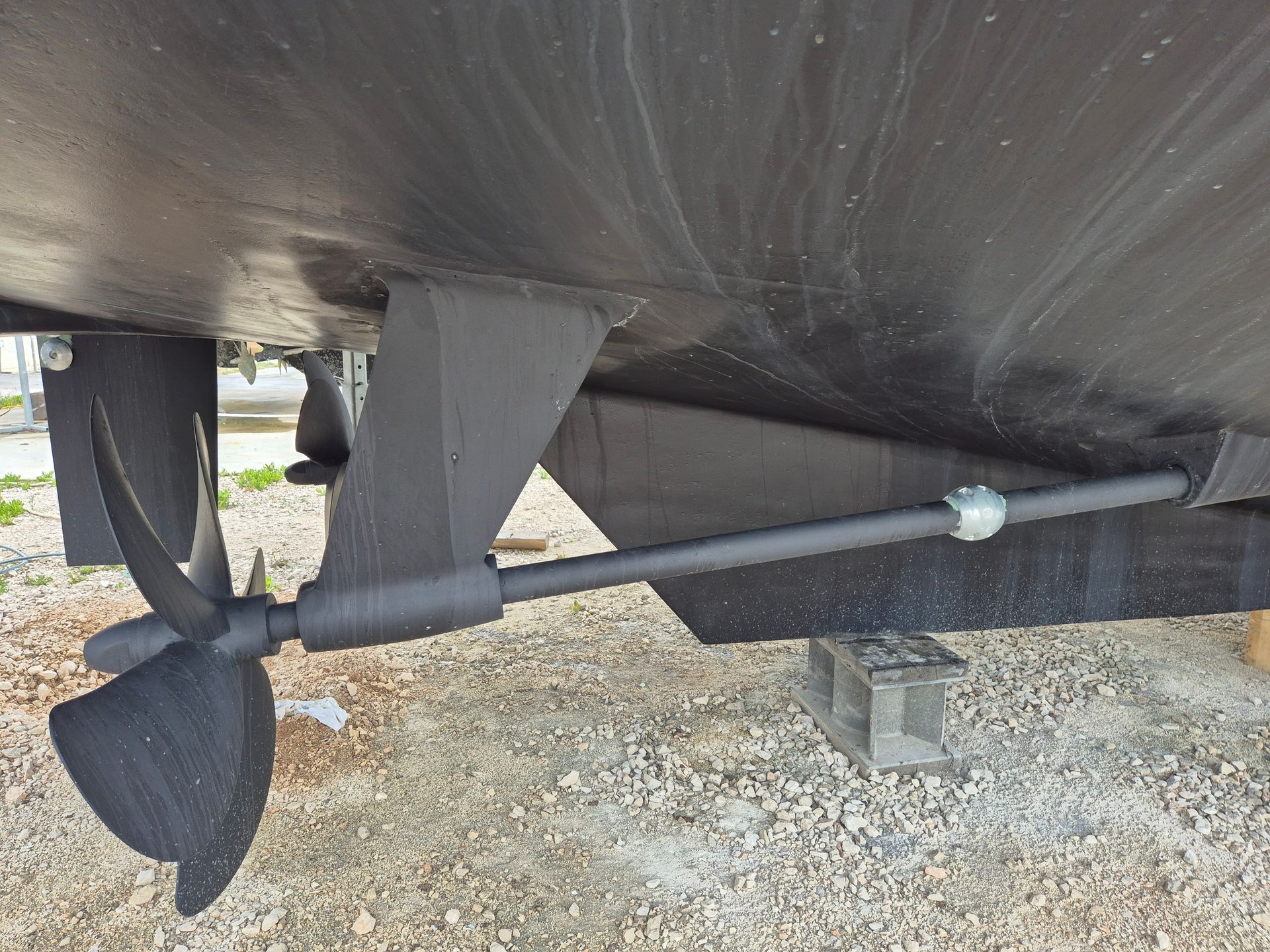
Marine zinc anodes are sacrificial metal pieces made from high-purity zinc alloy. They are intentionally installed on boats, ships, and other maritime structures to absorb electrochemical corrosion that would otherwise attack vital components like the hull, shafts, propellers, and rudders. This method is known as cathodic protection—zinc is more reactive than most metals on your boat, so it corrodes (or “sacrifices” itself) first, sparing expensive parts from damage.
Why is this important?
- In saltwater environments, corrosion rates can soar, causing severe structural damage.
- Studies show zinc anodes can extend metal component lifespan by years, reducing repair costs and downtime.
- Properly furnished boats can enjoy reliable protection for up to two years before needing anode replacement, depending on water conditions and use.
Key Benefits of Marine Zinc Anodes
- Prevents Metal Corrosion: Extends the life of propellers, shafts, hull fittings, and other vulnerable underwater parts.
- Cost-Effective Maintenance: Reduces the risk of costly repairs and premature replacement.
- Easy Installation & Replacement: Straightforward to fit on all types of boats and accessible for routine monitoring.
- Adaptable Protection: Suitable for use on various materials, including steel, aluminum, and copper-nickel alloys.
- Reliable in Salt & Brackish Water: Specially designed to perform optimally where corrosion risk is highest.
How to Use Marine Zinc Anodes Effectively
Step-by-step:
- Identify Vulnerable Parts: Inspect your hull, shafts, propeller, rudders, and through-hull fittings.
- Select Suitable Anodes: Use marine-grade zinc for saltwater; check compatibility for your boat’s material and location.
- Proper Installation: Bolt, clamp, or weld anodes directly onto the exposed metal parts. Ensure a solid electrical connection—clean any paint or insulation at contact points.
- Regular Inspection: Check all zinc anodes every 1–3 months (more in warm or high-salinity waters).
- Replace When Needed: Install new anodes when 50% depleted, cracked, or highly pitted.
- Keep Records: Log inspection and replacement dates to track maintenance.
Best Practices for Marine Zinc Anodes in 2025
- Use Only High-Purity Zinc: Ensure your anodes meet U.S. mil-A-18001H specification for consistent performance.
- Routine Checks: Inspect more frequently in marinas with high stray currents or heavily fouled waters.
- Environmentally Aware Disposal: Recycle old anodes to reduce metal runoff into waterways.
- Stay Updated: Watch for regulatory changes—some jurisdictions are encouraging alternative, eco-friendlier anodes.
- Don’t Mix Metals: Never use zinc with aluminum or magnesium anodes on the same vessel.
Common Mistakes to Avoid When Using Marine Zinc Anodes
- Letting Anodes Fully Deplete: Always replace when about half is gone—wait too long and damage may be happening unseen.
- Poor Contact: Painting or insulating the connection point renders the anode ineffective.
- Wrong Anode for Water Type: Zinc is best for saltwater; magnesium suits freshwater.
- Insufficient Anode Coverage: Install enough to cover all exposed metal surfaces; inadequate coverage leads to spot corrosion.
- Infrequent Checks: Corrosion can escalate quickly; regular inspections are vital.
FAQs About Marine Zinc Anodes
Q: How often should I change my marine zinc anodes?
A: Inspect every 1–3 months in saltwater and replace when 50% depleted or heavily pitted.
Q: Can I use zinc anodes in freshwater?
A: No. Zinc is suitable for saltwater; magnesium anodes protect best in freshwater.
Q: Where should marine zinc anodes be mounted?
A: On hull, propellers, shafts, rudders, and any underwater metal part vulnerable to corrosion.
Q: Is it okay to mix anode metals?
A: Never. Stick to one type per vessel to prevent unintended corrosion.
Q: What happens if I skip using marine zinc anodes?
A: You risk rapid, often invisible, corrosion and expensive repairs within one or two seasons.
Conclusion: Safeguard Your Boat with Marine Zinc Anodes
Protecting your vessel starts with understanding and maintaining marine zinc anodes. By following best practices, checking frequently, and replacing when needed, you’ll keep your boat safe, your repairs minimal, and your adventures worry-free. Make zinc anode maintenance a regular habit—your vessel (and your wallet) will thank you.
Ready to start? Schedule an anode check today, and ensure your boat is shielded for every journey!
