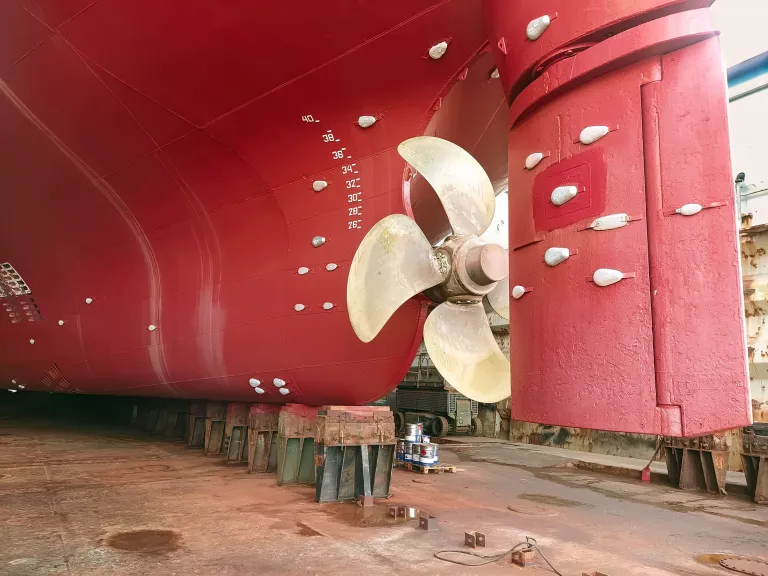
Introduction: Shield Your Investment
Did you know your boat could be rusting away right beneath the waterline? The relentless marine environment attacks metal parts with a process called galvanic corrosion, quietly deteriorating propellers, shafts, and hull fittings. Zinc anodes for boats offer a powerful solution that saves you from costly repairs and extends your vessel’s life. In this comprehensive guide, we’ll explain exactly how zinc anodes work, their vital benefits, proper maintenance best practices for 2025, key mistakes to avoid, and answer the most common questions boaters have about these sacrificial protectors.
What is it and Why is it Important?
Zinc anodes are specially designed metal blocks or plates attached to a boat’s underwater metal components. Their primary purpose is to protect against galvanic corrosion—a chemical reaction that occurs when dissimilar metals are submerged in water, causing one to corrode faster than the other.
Why Are They Called “Sacrificial” Anodes?
Zinc anodes are more electrochemically active than most boat metals (like steel, bronze, or aluminum). This makes them “sacrifice” themselves, corroding first to absorb damage that would otherwise destroy critical boat parts. This process is called cathodic protection.
Latest Stats
- Zinc anodes can increase the lifespan of propellers and hull fittings by up to 50% in saltwater environments.
- Recent research highlights a trend towards aluminum and magnesium anodes for eco-conscious boaters, but zinc remains the top choice for most saltwater vessels.
Key Benefits
- Ultimate Defense Against Corrosion: Prevents expensive damage to propellers, shafts, and drives.
- Extends Vessel Lifespan: Regular use and replacement keep underwater metals in top condition.
- Affordable & Proven Solution: Cost-effective compared to the price of replacing corroded parts.
- Widely Available & Flexible: Available in various shapes and sizes to fit any boat.
- Trusted in Saltwater: Zinc anodes are specifically engineered for saltwater environments, where corrosion risk is highest.
How to Use it Effectively
To maximize protection:
- Identify all metal parts below the waterline (props, shafts, rudders).
- Install zinc anodes in direct contact—the anode must touch clean, unpainted metal.
- Distribute evenly for balanced protection—attach anodes as close as possible to the parts they protect.
- Secure properly using bolts or brackets; loose anodes won’t protect effectively.
- Inspect every 3-6 months for wear or scaling; replace once the anode is 50% gone.
- Never paint over anodes—paint blocks the electrical connection and negates protection.
- For boats in brackish or freshwater, consider aluminum or magnesium anodes instead of zinc for optimal results.
Best Practices in 2025
Boating technology and environmental standards are evolving:
- Use the correct type of anode for your water (zinc for salt, aluminum for brackish, magnesium for freshwater).
- Check local regulations—some regions encourage alternatives to zinc due to environmental concerns.
- Inspect connection and resistance—an efficient bond between anode and metal part is critical; resistance should be <0.2 ohms.
- Stay ahead with smart maintenance—schedule routine checks and note wear rates for replacement timing.
Common Mistakes to Avoid
- Using the wrong type of anode for your water conditions.
- Incorrect installation: Not having direct metal-to-metal contact greatly reduces protection.
- Neglecting inspection and replacement: Allowing anodes to completely dissolve exposes your boat to corrosion.
- Installing too few or oversized anodes: Undersized anodes may not protect enough, oversized can cause “over-protection” or fouling issues.
- Using zinc anodes in freshwater: They form an inert coating and stop functioning.
- Painting over or near anodes: Always leave anodes exposed.
FAQs
Q1: How often should I replace zinc anodes on my boat?
A1: Check every 3-6 months and replace if more than 50% has corroded.
Q2: Can zinc anodes be used in freshwater?
A2: No. In freshwater, zinc anodes become coated and ineffective. Use magnesium anodes instead.
Q3: Why do my zinc anodes disappear so quickly?
A3: Fast wear can mean stray current corrosion, excessive electrolysis, or incorrect installation—have your boat checked by a marine technician.
Q4: Are all zinc anodes the same?
A4: No. The chemical makeup (purity and alloying) affects protection—use marine-grade zinc anodes from reputable sources.
Q5: What’s the best alternative to zinc anodes?
A5: Aluminum anodes are recommended for brackish water and environmental reasons, while magnesium is best for freshwater use.
Conclusion: Protect Your Boat—Act Now!
Zinc anodes are a small investment with huge returns, safeguarding your boat’s essential components and extending its life on the water. Regular inspection and replacement are crucial—don’t let preventable corrosion cost you thousands!
Ready to shield your boat? Start with quality zinc anodes and professional installation—your vessel will thank you for years to come!
