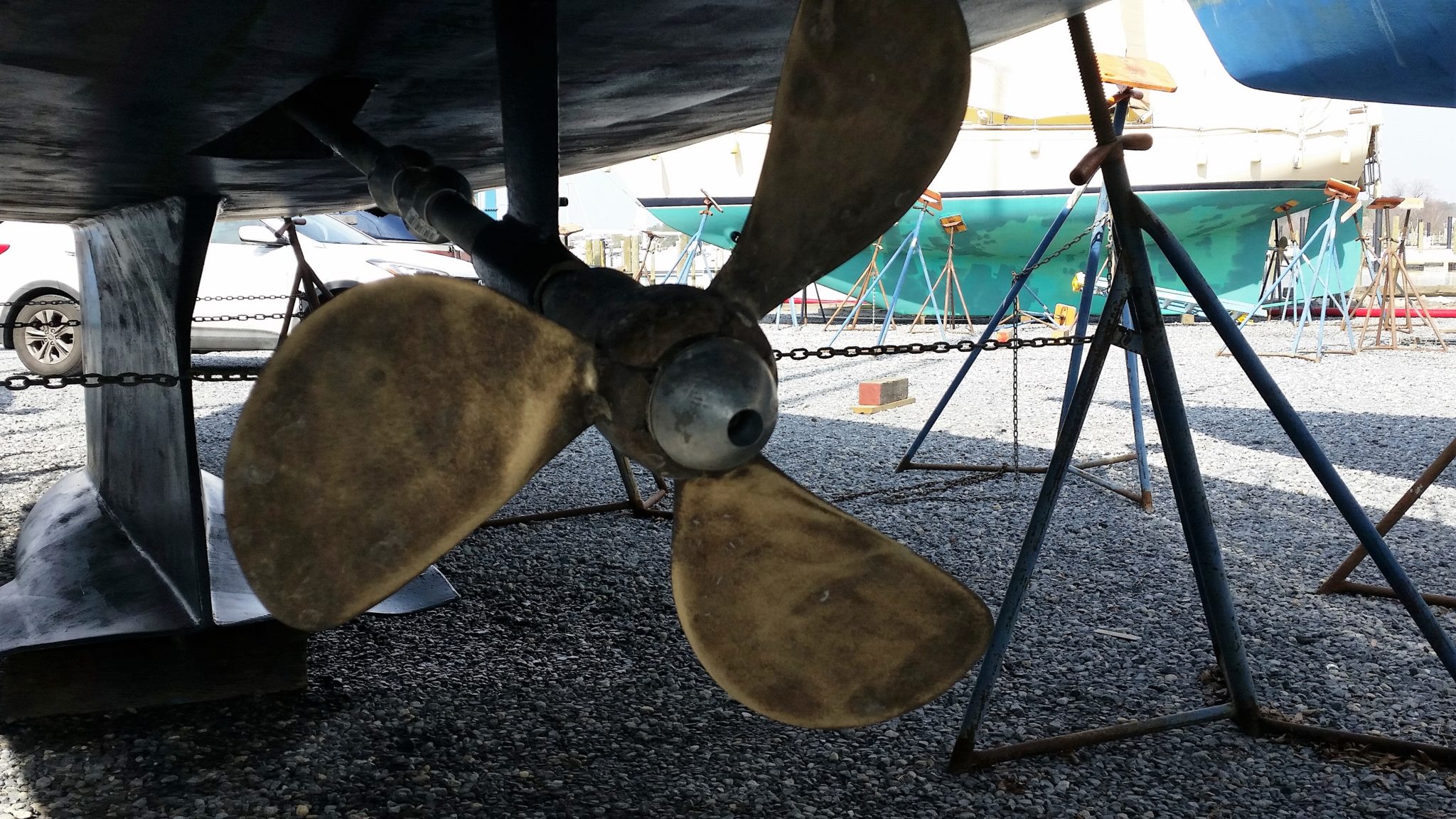
Corrosion is a silent but aggressive enemy to your boat or marine equipment. Did you know that failing to maintain your zinc anodes can lead to expensive damage in just one season? Replacing your zinc anodes is a straightforward but essential process that anyone can learn. In this guide, you’ll discover exactly how to replace zinc anodes, why they’re crucial, and best practices for 2025—with simple steps you can follow, and tips from experts. Whether you’re new to DIY boat maintenance or looking to refresh your skills, this tutorial will walk you through it all, with step-by-step instructions and photo/video support.
What is Zinc Anode Replacement and Why is it Important?
Zinc anode replacement is the process of changing out old, corroded zinc anodes (also known as sacrificial anodes) on boats and marine engines to protect critical metal parts from galvanic corrosion. When two different metals are submerged in water, galvanic corrosion can rapidly deteriorate propellers, shafts, and hulls. Zinc anodes protect these metal parts by corroding first—sacrificing themselves so that your vessel’s metal components remain intact. Without timely zinc anode replacement, you risk damaging expensive and difficult-to-repair components. Recent industry data shows that regular replacement of zinc anodes can extend the life of underwater gear by up to 50% and reduce long-term repair bills by thousands of dollars.
Key Benefits of Zinc Anode Replacement
- Prevents costly corrosion damage—saves money on repairs in the long run.
- Easy and fast DIY project that most boat owners can perform with basic tools.
- Maintains optimum performance of your boat’s engine, propellers, and hull.
- Protects diverse metal parts—from prop shafts to trim tabs to rudders.
- Fulfills insurance and safety requirements for most marine vessels.
How to Use Zinc Anode Replacement Effectively
Follow these essential steps for an effective zinc anode replacement:
1. Gather Tools and Materials
- Replacement zinc anodes (ensure compatibility with your boat)
- Wrench or screwdriver (appropriate size)
- Wire brush or sandpaper
- Protective gloves and goggles
2. Locate All Zinc Anodes
- Check common locations like hull, rudder, propeller shaft, trim tabs, and engine.
- Consult your boat manual for the exact placement if unsure.
3. Inspect Existing Zinc Anodes
- Replace if more than 50% worn, cracked, or heavily pitted.
- Document location and condition for your maintenance records.
4. Remove Old Anodes
- Use the wrench or screwdriver to loosen and remove bolts or screws.
- If stuck, gently use a wire brush or sandpaper to clean corrosion around fasteners.
5. Clean Contact Surfaces
- Polish the metal surface that will touch the new anode so it is shiny and free of debris or paint.
- This ensures a solid electrical connection for maximum protection.
6. Install New Zinc Anodes
- Position the new anode tightly in place, ensuring full metal-to-metal contact.
- Secure with bolts or screws; tighten firmly but avoid over-torquing.
- If using shaft anodes or similar, ensure even tightening to avoid balance issues.
7. Final Inspection
- Check that all fasteners are secure, and the anode has a tight, unpainted connection.
- Log the date for future reference.
For a full visual walkthrough, refer to available step-by-step guides and videos for specific boat models.
Best Practices for Zinc Anode Replacement in 2025
- Inspect anodes quarterly—not just once a season.
- Always document each replacement with date, location, and photo (if possible).
- Use only marine-grade zinc anodes that are certified for your environment.
- Never paint over zinc anodes—paint blocks their protective function.
- Apply anti-seize or Tef-Gel on bolts to ease future removal and prevent bolt corrosion.
- Check for stray current corrosion by inspecting all electrical bonding—bad grounding accelerates anode depletion.
Common Mistakes to Avoid When Using Zinc Anode Replacement
- Failing to remove paint or oxidation from the mounting area—blocks electrical contact, rendering the anode useless.
- Using the wrong anode type (e.g., magnesium in saltwater).
- Over-tightening or under-tightening—can damage the anode or leave it unsecured.
- Neglecting hidden or hard-to-see anodes (like those on trim tabs or inside engine cooling circuits).
- Forgetting to log replacement dates—can lead to missed maintenance.
FAQs About Zinc Anode Replacement
How often should zinc anodes be replaced?
Check every 3–4 months; replace when more than 50% depleted or at least once a year.
Can I reuse partially corroded zinc anodes?
No. Always use new, undamaged anodes for best protection.
Does water type matter for zinc anode performance?
Yes. Zinc is ideal for saltwater. Use magnesium for freshwater, aluminum for brackish/mixed conditions.
What happens if I don’t replace my zinc anodes?
Critical metal parts on your boat may corrode, potentially causing failure or costly repairs.
Can I replace zinc anodes myself?
Yes. With basic tools and a little time, most boat owners can do this DIY.
Conclusion
Regular zinc anode replacement is your front-line defense against costly corrosion. By following this step-by-step guide and best practices for 2025, you ensure your vessel remains protected and reliable for years to come. Always inspect, clean, and replace zinc anodes as part of your standard maintenance routine.
