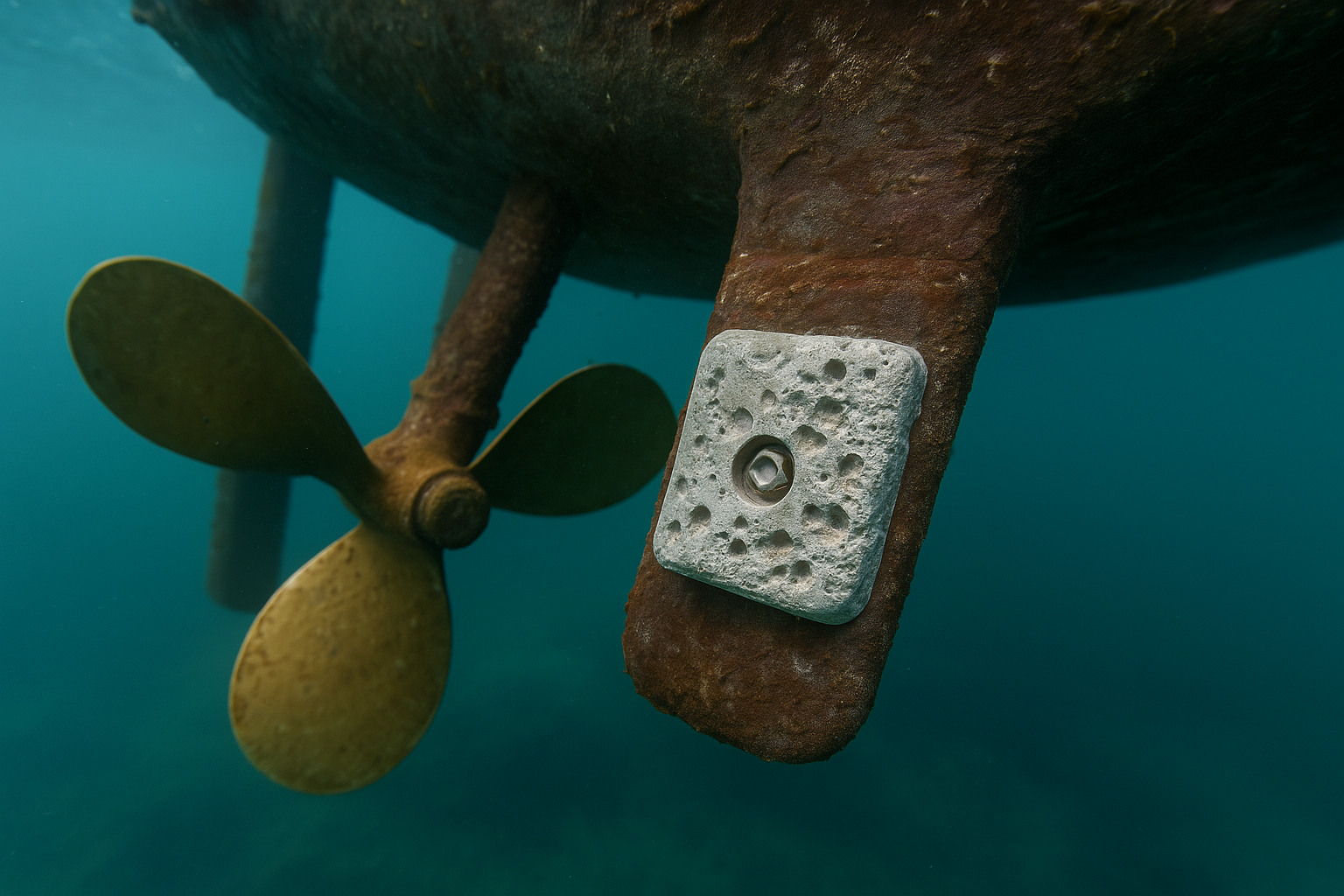
Did you know that more than half of marine corrosion cases can be traced directly to hidden or undetected zinc anode failures? What boat owners need to know about zinc anode failures is critical—not just for protecting propellers and hulls, but for safeguarding a boat’s long-term value and safety. This article explains the science behind what boat owners need to know about zinc anode failures, outlines warning signs, and covers the best practices that will keep your vessel protected from costly corrosion in 2025 and beyond.
What is What Boat Owners Need to Know About Zinc Anode Failures and Why is it Important?
What boat owners need to know about zinc anode failures means understanding why zinc anodes are installed, how they fail, and the consequences of failure. Zinc anodes are “sacrificial”—they corrode by design, absorbing electrical currents and chemical reactions that would otherwise deteriorate metal boat parts. When zinc anode failures occur, propellers, shafts, through-hulls, and rudders are left exposed to aggressive galvanic corrosion. Data show that saltwater can accelerate corrosion rates by up to 100 times compared to freshwater, making timely detection and replacement of zinc anodes essential for every boat owner.
Key Benefits of What Boat Owners Need to Know About Zinc Anode Failures
- Prevents catastrophic metal loss, hull breaches, and expensive repairs by catching issues early
- Ensures safety and seaworthiness of essential propulsion and steering hardware
- Maintains resale and insurance value through diligent maintenance records
- Reduces long-term maintenance costs by stopping corrosion before it damages major components
- Offers peace of mind knowing the entire vessel is protected and safe for operation
How to Use What Boat Owners Need to Know About Zinc Anode Failures Effectively
Step-by-Step Owner Actions
- Inspect all zinc anodes every 1–3 months, or more often in high-use saltwater environments
- Replace zinc anodes if more than 50% depleted, pitted, cracked, or showing uneven wear
- Check mounting hardware for integrity and ensure a shiny, paint-free connection for maximum protection
- Monitor for signs of stray current corrosion: Unexpected rapid depletion, white powdery residue, or erratic wear may signal electrical faults
- Consult your boat manual to ensure coverage: All underwater metal parts, including hidden components, should have adequate protection
- Document all inspections and replacements for insurance and resale records
Best Practices for What Boat Owners Need to Know About Zinc Anode Failures in 2025
- Use only high-purity, certified zinc anodes meeting U.S. mil-spec or equivalent standards
- Never mix anode metals: Stick to one type per vessel to prevent uneven protection and unpredictable corrosion
- Schedule regular professional surveys to check for electrical faults, bonding issues, and overall corrosion status
- Photograph and date every replacement to track depletion rates and ensure proper protection
- Recycle spent anodes responsibly to reduce environmental impact
Common Mistakes to Avoid When Using What Boat Owners Need to Know About Zinc Anode Failures
- Allowing zinc anodes to fully deplete before replacement, risking invisible damage to core hardware
- Painting or insulating the mounting area, blocking electrical contact and leaving metals vulnerable
- Using zinc in freshwater—where magnesium or aluminum is the proper choice
- Infrequent checks: Rapid corrosion can escalate quickly if not monitored every month, especially after heavy use
- Missing hidden or hard-to-reach anodes, such as those inside engines, on trim tabs, or beneath swim platforms
FAQs About What Boat Owners Need to Know About Zinc Anode Failures
How do I recognize zinc anode failures?
Replace anodes at 50% depletion, heavy pitting, cracks, or uneven wear—white residue is also a warning sign.
Why do zinc anodes fail so quickly on saltwater boats?
High conductivity accelerates corrosion up to 100 times compared to freshwater, and stray electrical currents can multiply wear.
Can mixed anode metals cause failures?
Yes—mixing metal types causes uneven protection and unpredictable corrosion. Never mix zinc, aluminum, or magnesium on one boat.
Are frequent inspections really necessary?
Yes—infrequent checks can allow invisible pitting and rapid damage, especially in busy or warm marinas.
Does failure to maintain zinc anodes affect insurance?
Absolutely—insurers may deny claims or lower value if regular maintenance isn’t documented or inspected.
Conclusion
What boat owners need to know about zinc anode failures is the key to keeping your vessel protected and avoiding costly corrosion. Regular inspections, smart replacement practices, and documented maintenance provide peace of mind and help maintain your boat’s value and safety. Don’t wait for visible damage—make anode checks routine with help from our website.
