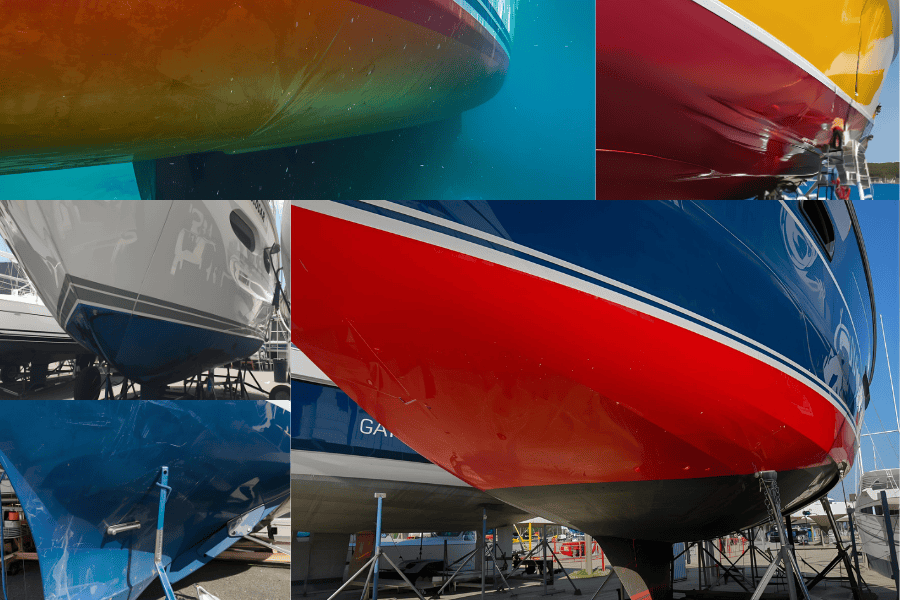
Understanding antifouling paint boat cleaning requirements prevents costly coating damage while maximizing the effectiveness and lifespan of expensive protective systems designed to prevent marine growth attachment. The type of antifouling paint applied to underwater hull surfaces fundamentally determines appropriate cleaning techniques, tool selection, maintenance frequency, and expected coating longevity between reapplication cycles. Different antifouling technologies including hard epoxy coatings, soft ablative paints, self-polishing copolymers, and copper-free alternatives each respond differently to cleaning pressure and mechanical contact, making paint identification essential before beginning any hull maintenance. Boat owners who understand their specific antifouling system characteristics make informed cleaning decisions that preserve coating integrity while thoroughly removing fouling organisms, delivering optimal protection at the lowest long-term cost.
The global marine coatings market offers hundreds of antifouling products with varying chemistries, performance characteristics, and maintenance requirements that confuse even experienced boat owners attempting to select appropriate cleaning approaches. This comprehensive guide explains how different antifouling paint types function, identifies their unique maintenance needs, and provides practical cleaning recommendations protecting coating investments while maintaining clean hull surfaces throughout the boating season.
What Is Antifouling Paint and How Does It Work?
Antifouling paint represents a specialized protective coating applied to underwater boat surfaces to prevent marine organisms including barnacles, algae, mussels, and tube worms from attaching to hull structures. These advanced coatings work by releasing biocidal compounds that create an inhospitable chemical environment deterring organism settlement, or by creating ultra-smooth surfaces preventing physical attachment regardless of biological factors. Without effective antifouling protection, marine growth accumulates rapidly on submerged surfaces, increasing hull roughness that creates drag reducing vessel speed while increasing fuel consumption by twenty to forty percent depending on fouling severity.
The fundamental principle behind antifouling technology involves controlled biocide release that maintains toxic concentrations in the thin boundary layer immediately adjacent to painted surfaces. Common biocidal ingredients include copper compounds like cuprous oxide providing broad-spectrum organism deterrence, zinc pyrithione targeting algae and bacterial biofilms, and organic biocides including Econea offering metal-free alternatives with reduced environmental impact. According to leading marine coating manufacturers, modern antifouling formulations balance effective organism prevention against environmental regulations limiting toxic compound release into sensitive marine ecosystems.
Antifouling effectiveness depends on continuous biocide availability at coating surfaces, making the release mechanism central to performance characteristics and cleaning requirements. Paints that erode slowly during use expose fresh biocide-containing layers maintaining effectiveness while physically wearing away, whereas non-eroding hard coatings rely on biocide diffusion through intact paint films that must remain undamaged to function properly. Understanding these fundamental operational differences helps boat owners select cleaning techniques that support rather than compromise their antifouling system design.
Hard Antifouling Paint Characteristics
Hard antifouling paints form durable solid films that resist mechanical abrasion while releasing biocides through diffusion from intact coating surfaces. These epoxy-based formulations typically contain high copper concentrations between forty and seventy percent by weight, creating robust protection suitable for high-speed powerboats, racing sailboats, and commercial vessels operating above thirty knots. The rigid coating structure withstands propeller wash, wave impact, and occasional grounding contact without premature failure, making hard antifouling ideal for performance-oriented applications where coating durability proves critical.
The non-eroding nature of hard antifouling means the paint film remains on hull surfaces season after season, gradually building thickness with each annual recoating cycle. This accumulation eventually creates excessive paint layers requiring professional removal before additional coating application becomes practical. Hard antifouling paints can be lightly sanded between coats to improve adhesion and smooth surface irregularities, though excessive sanding removes the biocide-rich surface layer reducing effectiveness until the coating re-equilibrates through diffusion.
Cleaning hard antifouling requires understanding that the intact paint film must remain undamaged to maintain biocide release functionality. Aggressive scraping or pressure washing that removes coating material compromises protection by exposing underlying layers with depleted biocide concentrations or revealing primer and gelcoat lacking any antifouling properties. The durable surface tolerates moderate mechanical cleaning better than soft ablative alternatives, but repeated aggressive maintenance still accelerates coating wear beyond intended design parameters.
Best Cleaning Practices for Hard Antifouling
Hard antifouling paint responds well to medium-stiff brushes that remove fouling organisms without gouging the durable coating surface. The robust film structure tolerates firmer cleaning pressure compared to soft ablative paints, allowing more aggressive fouling removal when necessary to address barnacle accumulation or established marine growth. However, metal scrapers should still be avoided as they create surface scratches that provide protected micro-habitats where fouling organisms colonize despite surrounding biocide concentrations.
Cleaning frequency for hard antifouling typically extends to forty-five to sixty day intervals in moderate fouling conditions, as the durable coating withstands organism attachment longer than softer alternatives. The trade-off involves more difficult cleaning when performed infrequently, as organisms develop stronger attachment to the hard surface compared to self-polishing coatings that continuously refresh. Many owners of boats with hard antifouling find that monthly cleaning during peak fouling seasons provides optimal balance between maintenance effort and coating preservation.
Soft Ablative Antifouling Paint Properties
Soft ablative antifouling paints gradually erode during vessel operation and routine cleaning, continuously exposing fresh biocide-containing layers that maintain anti-fouling effectiveness throughout the coating’s service life. These self-renewing systems work particularly well for sailboats, displacement powerboats, and vessels operating at moderate speeds below twenty-five knots where the gentle erosion rate matches normal use patterns. The soft coating consistency feels chalky or powdery when rubbed, leaving visible residue on hands or cleaning tools indicating the intended ablative action occurring properly.
The primary advantage of ablative antifouling centers on eliminating paint buildup between recoating cycles, as the eroding mechanism removes old coating material naturally rather than creating accumulated layers requiring professional stripping. This self-cleaning characteristic reduces long-term maintenance costs while ensuring the coating surface always presents fresh biocide to discourage organism attachment. According to marine environmental authorities, ablative coatings release more paint particles into surrounding water compared to hard alternatives, raising environmental concerns addressed through improved formulations and proper cleaning practices.
Soft ablative paints require extremely gentle cleaning techniques that remove fouling organisms without accelerating erosion beyond the designed wear rate. Aggressive scrubbing or hard scraper use strips away excessive coating thickness, dramatically shortening protection intervals and wasting expensive antifouling material that should have provided multiple additional months of service. The soft nature makes these coatings particularly vulnerable to cleaning damage from inappropriate tool selection or excessive pressure application during maintenance.
Proper Ablative Antifouling Cleaning Methods
Soft-bristle brushes made from nylon, polypropylene, or silicone represent the only appropriate cleaning tools for ablative antifouling paint maintenance. These gentle materials remove fouling organisms through sweeping motions that lift growth away from surfaces without excessive coating removal beyond the natural erosion rate. The brushing action should feel similar to washing a car—firm enough to remove dirt but gentle enough to avoid surface damage or excessive paint loss.
Cleaning frequency becomes critically important with ablative antifouling, as regular maintenance every twenty-five to thirty-five days prevents fouling from progressing beyond soft stages where gentle brush removal works effectively. Allowing heavy barnacle or mussel colonization on ablative coatings creates situations where the required cleaning force to remove established organisms strips away far more paint than proper preventive maintenance would have removed over equivalent time periods. The soft coating cannot withstand aggressive cleaning attempts, making prevention through regular gentle maintenance the only viable strategy.
Water temperature significantly affects ablative coating erosion rates, with warm water accelerating the ablative action while cold water slows the process. Boat owners operating in tropical environments often find their ablative coatings erode faster than expected based on manufacturer specifications developed for temperate waters, requiring adjusted recoating intervals. This temperature sensitivity also affects optimal cleaning frequency, with warmer waters typically requiring more frequent gentle maintenance to address accelerated fouling growth rates common in tropical marine environments.
Self-Polishing Copolymer Antifouling Technology
Self-polishing copolymer (SPC) antifouling represents the most technologically advanced coating category, using sophisticated chemistry that creates controlled erosion rates producing ultra-smooth hull surfaces while maintaining consistent biocide release throughout extended service periods. These premium formulations typically cost fifty to one hundred percent more than conventional ablative paints but deliver superior performance justifying higher investment through extended protection intervals and enhanced hull smoothness that reduces fuel consumption beyond simple fouling prevention.
The self-polishing mechanism involves hydrolysis reactions triggered by seawater contact that gradually break down the coating matrix in precisely controlled patterns. This chemical erosion produces smoother surfaces over time rather than the irregular wear patterns characteristic of mechanical ablation, earning the “self-polishing” designation describing the coating’s ability to become increasingly smooth during use. The technology proves particularly valuable for large vessels, commercial operators, and performance-oriented boat owners where fuel savings and maximum speed justify premium coating costs.
Self-polishing coatings typically provide eighteen to thirty-six months of effective protection depending on water temperature, vessel usage patterns, and fouling pressure in operating areas. This extended service life reduces annual maintenance costs despite higher initial material expenses, particularly when considering avoided haul-out fees and labor costs associated with frequent repainting. The durable yet continuously renewing surface maintains effectiveness far longer than conventional ablative or hard coatings requiring replacement or intensive cleaning after twelve to eighteen months.
Cleaning Self-Polishing Antifouling Systems
Self-polishing copolymer coatings require the gentlest cleaning approaches of any antifouling type to preserve the sophisticated erosion mechanism and ultra-smooth surface finish. Very soft brushes using minimal pressure remove fouling organisms while respecting the controlled wear rate engineered into the coating chemistry. Excessive cleaning force accelerates erosion beyond optimal parameters, shortening protection intervals and negating the extended service life advantage justifying premium coating investment.
The ultra-smooth surface produced by self-polishing action actually resists fouling attachment better than rougher ablative or hard coatings, often allowing extended cleaning intervals approaching sixty to ninety days in moderate fouling conditions. This reduced maintenance requirement represents a significant advantage for boat owners who dislike frequent underwater work or operate vessels in locations where cleaning access proves difficult. However, when cleaning does become necessary, the gentle approach remains absolutely critical to preserving coating integrity and performance characteristics.
Copper-Free and Environmentally Friendly Antifouling
Copper-free antifouling paints replace traditional cuprous oxide biocides with alternative compounds including zinc pyrithione, Econea, capsaicin, or other metal-free active ingredients addressing environmental regulations restricting copper discharge in sensitive marine areas. These formulations prove particularly important in enclosed harbors, freshwater environments, and regions with strict environmental protection standards limiting toxic compound release. The effectiveness of copper-free alternatives has improved dramatically in recent years, with modern formulations delivering performance approaching traditional copper-based paints in many fouling environments.
Environmental regulations continue tightening restrictions on copper-based antifouling in jurisdictions worldwide, making copper-free alternatives increasingly important for regulatory compliance. Some regions including parts of California, Scandinavia, and protected marine reserves completely prohibit copper antifouling on recreational vessels, requiring boat owners to select alternative technologies or face fines and enforcement actions. Understanding local regulations before selecting antifouling products prevents costly repainting to achieve compliance after discovering violations.
The cleaning requirements for copper-free antifouling generally mirror those of copper-based paints with similar matrix chemistry, whether hard, ablative, or self-polishing formulations. However, some copper-free alternatives using novel biocides or physical anti-attachment mechanisms may have unique maintenance requirements specified by manufacturers. Reading product technical data sheets and application guides provides essential information about cleaning recommendations, compatible tools, and maintenance frequencies optimizing performance for specific copper-free formulations.
Identifying Your Boat’s Antifouling Type
Determining which antifouling paint protects hull surfaces represents an essential first step before selecting appropriate cleaning approaches and techniques. Several methods help identify coating type when purchase records or previous owner documentation proves unavailable during vessel acquisition or after years of ownership without systematic record-keeping.
Visual and Tactile Identification Methods
Soft ablative antifouling feels chalky or powdery when rubbed with fingers, leaving visible residue indicating the eroding mechanism functioning properly. Hard antifouling presents a smooth solid surface that does not transfer material to hands when touched, maintaining integrity without visible erosion. Self-polishing copolymer coatings typically display exceptionally smooth ultra-glossy surfaces distinguishing them from rougher conventional ablative formulations.
Color provides limited identification assistance, as most antifouling types are available in similar color ranges including black, blue, red, and green formulations. However, certain premium self-polishing products use distinctive colors or metallic flakes that may indicate specific product lines when compared against manufacturer color charts. Paint buildup thickness also suggests coating type, with minimal accumulation indicating ablative systems while heavy multi-layer buildup suggests hard antifouling applied over multiple seasons.
Testing Methods and Documentation Review
Consulting previous maintenance records, surveyor reports, or yard invoices often reveals antifouling type and brand applied during recent repainting. Many professional yards and applicators keep detailed records of products used on customer vessels, making a quick phone call to facilities that performed previous work potentially valuable for identification purposes. Some surveyors include antifouling specifications in purchase surveys, providing permanent documentation of coating systems at the time of vessel acquisition.
Simple scraping tests help distinguish hard from soft ablative coatings without requiring chemical analysis or specialized equipment. Using a plastic scraper or fingernail to lightly scratch a test area reveals how easily the coating removes, with soft ablative paints releasing material readily while hard coatings resist removal. This test should be performed on inconspicuous areas to avoid creating visible damage on prominent hull surfaces.
How Antifouling Type Affects Cleaning Frequency
The relationship between antifouling paint type and optimal cleaning frequency significantly impacts maintenance planning and overall coating cost-effectiveness. Different formulations demonstrate varying resistance to fouling attachment influencing how often underwater cleaning becomes necessary to maintain acceptable hull cleanliness and performance.
Hard antifouling typically requires cleaning every forty-five to sixty days during active fouling seasons, as the non-renewing surface gradually accumulates organisms as biocide concentrations decline in the boundary layer. The durable coating tolerates slightly longer intervals between maintenance compared to softer alternatives, though extended neglect allows heavy fouling that requires aggressive cleaning potentially damaging the coating. Many owners establish sixty-day cleaning cycles during summer months, reducing to quarterly maintenance during cooler seasons with slower fouling growth rates.
Soft ablative and self-polishing antifouling benefits from more frequent gentle cleaning every twenty-five to forty days, preventing organism establishment while supporting the natural erosion mechanism designed to continuously refresh surfaces. The seemingly counterintuitive approach of more frequent cleaning actually extends coating lifespan by maintaining optimal erosion rates through gentle maintenance rather than aggressive removal of established growth that strips excessive paint thickness. This frequent gentle approach proves more cost-effective than infrequent intensive cleaning despite requiring additional maintenance sessions throughout the season.
The Impact of Cleaning on Antifouling Lifespan
Cleaning technique and tool selection directly determine antifouling coating lifespan, with improper maintenance potentially reducing protection intervals by fifty percent or more compared to optimal practices. Understanding this relationship helps justify investment in appropriate cleaning equipment and developing proper technique that preserves expensive coating systems.
Gentle cleaning using soft brushes and minimal pressure extends antifouling effectiveness by removing fouling organisms without excessive coating removal beyond designed wear rates. This preservation-focused approach allows ablative and self-polishing formulations to provide eighteen to thirty-six months of protection as intended by manufacturers, compared to twelve months or less when aggressive scraping accelerates paint loss. Hard antifouling similarly benefits from gentle maintenance that removes fouling without creating surface damage compromising biocide retention and diffusion characteristics.
The economic impact proves substantial when considering professional antifouling application costs ranging from one thousand to five thousand dollars depending on vessel size and coating quality. Extending coating lifespan from eighteen months using aggressive cleaning to thirty months through gentle maintenance reduces annualized coating costs by forty percent while delivering equivalent or superior fouling protection throughout extended service intervals. These savings quickly justify investment in quality soft brushes, proper technique development, and regular maintenance schedules preventing heavy fouling requiring damaging removal methods.
Antifouling Paint and Environmental Considerations
Modern antifouling paint formulations increasingly emphasize environmental responsibility alongside fouling prevention effectiveness, reflecting growing awareness of toxic compound impacts on non-target marine species and ecosystem health. Boat owners can support environmental protection while maintaining clean hulls through informed antifouling selection and proper cleaning practices minimizing coating discharge into surrounding waters.
The cleaning method significantly affects how much antifouling material enters marine environments, with aggressive scraping releasing substantially more paint particles than gentle brushing techniques. According to International Maritime Organization guidelines, controlling coating release during maintenance operations represents an important component of comprehensive strategies reducing antifouling environmental impacts. Proper cleaning technique using soft brushes minimizes paint removal while still achieving effective fouling control, reducing toxic compound dispersion compared to aggressive methods stripping large quantities of coating material.
Many jurisdictions regulate in-water cleaning practices specifically to prevent excessive antifouling discharge during maintenance operations. These regulations may restrict cleaning in certain locations, require capture systems collecting removed material, or prohibit specific cleaning methods including pressure washing that disperses paint particles widely. Understanding and complying with local environmental regulations ensures legal operation while demonstrating environmental stewardship increasingly important to fellow boaters and marina communities.
When to Replace Rather Than Clean Antifouling
Even properly maintained antifouling coatings eventually require replacement when biocide depletion or physical degradation reduces effectiveness below acceptable levels. Recognizing when repainting becomes necessary versus continuing cleaning maintenance prevents wasted effort attempting to maintain failed coatings that cannot deliver adequate protection regardless of cleaning frequency.
Signs Indicating Antifouling Replacement Needed
Several indicators suggest antifouling coating replacement should supersede continued cleaning maintenance:
- Fouling returns within two to three weeks after thorough cleaning despite proper technique
- Coating shows extensive primer or gelcoat exposure indicating complete paint loss
- Heavy paint buildup from multiple coatings creates unstable layers prone to delamination
- Blistering or bubbling suggests osmosis or coating failure requiring removal and repair
- Coverage reaches manufacturer-specified maximum age typically eighteen to thirty-six months
- Changing vessel usage patterns require different antifouling type better suited to new operational profile
- New environmental regulations prohibit current coating type requiring compliant alternative
Professional Hull Cleaning Services and Antifouling Knowledge
Professional hull cleaning services bring specialized knowledge of different antifouling types and appropriate cleaning techniques protecting coating investments while thoroughly removing marine growth. Experienced technicians recognize coating characteristics through visual inspection and tactile assessment, adjusting tool selection and pressure application matching specific antifouling requirements without requiring explicit owner instruction.
The value of professional services extends beyond simple labor savings to include coating preservation expertise that maximizes antifouling lifespan through optimal maintenance practices. Many boat owners discover their DIY cleaning inadvertently damaged expensive coatings through inappropriate technique or tool selection, making professional service investment worthwhile particularly for vessels with premium self-polishing or specialty antifouling systems. Quality professional operators document coating condition, photograph problem areas, and provide maintenance recommendations extending beyond immediate cleaning to comprehensive hull care planning.
Protect your antifouling investment with professional hull cleaning services that understand your specific coating type and employ gentle techniques maximizing paint lifespan while maintaining pristine underwater surfaces. Our experienced technicians recognize different antifouling formulations and adjust cleaning approaches preserving expensive protective systems. Contact us today to schedule expert hull maintenance that extends coating effectiveness while delivering thorough fouling removal backed by years of specialized marine maintenance experience.
Conclusion
Understanding antifouling paint boat cleaning requirements before beginning hull maintenance prevents costly coating damage while maximizing protection lifespan and effectiveness against marine organism attachment. Different antifouling types including hard epoxy formulations, soft ablative paints, self-polishing copolymers, and copper-free alternatives each require specific cleaning approaches, tool selections, and maintenance frequencies optimizing performance while preserving expensive coating investments.
Hard antifouling tolerates moderate cleaning pressure using medium-stiff brushes but still suffers from aggressive scraping that damages the intact film required for proper biocide release. Soft ablative and self-polishing coatings demand extremely gentle maintenance using soft brushes with minimal pressure, preserving the controlled erosion mechanism that continuously exposes fresh biocide-containing layers throughout extended service periods.
Proper cleaning technique matching antifouling type extends coating lifespan from twelve to eighteen months with aggressive maintenance up to thirty-six months or more through gentle preservation-focused approaches. This extension delivers substantial economic benefits reducing annualized coating costs while maintaining superior fouling protection compared to prematurely failed systems requiring frequent repainting. Boat owners who invest time understanding their specific antifouling characteristics make informed maintenance decisions protecting hull investments while ensuring optimal vessel performance through proper underwater surface care.
Frequently Asked Questions
1. How can you tell what type of antifouling paint is on your boat?
Identifying antifouling paint type involves several practical assessment methods including tactile testing where soft ablative coatings feel chalky and leave residue on hands while hard antifouling presents smooth solid surfaces without material transfer. Visual inspection reveals self-polishing copolymers through exceptionally smooth glossy finishes and minimal paint buildup compared to heavy accumulation indicating hard coatings applied over multiple seasons. Review previous maintenance records, surveyor reports, or contact yards that performed recent painting work for documentation specifying exact products used. Simple scraping tests using plastic tools on inconspicuous areas demonstrate removal resistance, with soft ablative paints releasing easily while hard formulations resist scraping. When identification remains uncertain, consult professional marine surveyors or coating specialists who can definitively determine antifouling type through examination and testing.
2. Can you use the same cleaning tools on all antifouling paint types?
Different antifouling paint types require specific cleaning tools matched to coating hardness and erosion characteristics, making universal tool selection inappropriate for optimal coating preservation. Soft ablative and self-polishing copolymer antifouling demands very soft nylon, polypropylene, or silicone brushes using gentle pressure to avoid accelerating erosion beyond designed wear rates that shorten protection intervals. Hard antifouling tolerates slightly stiffer medium-bristle brushes and firmer pressure compared to ablative alternatives, though metal scrapers should still be avoided on all coating types to prevent surface damage. Using hard scrapers or excessive pressure on soft ablative paints strips away months of protection in single cleaning sessions, wasting expensive coating material and requiring premature repainting. The safest approach uses the softest effective brush for prevailing fouling conditions regardless of antifouling type, ensuring coating preservation across all formulations.
3. How often should you clean different types of antifouling paint?
Cleaning frequency varies significantly based on antifouling paint type, water temperature, and local fouling conditions requiring customized maintenance schedules for optimal results. Hard antifouling typically benefits from cleaning every forty-five to sixty days during active fouling seasons, with the durable coating tolerating slightly extended intervals compared to softer alternatives. Soft ablative and self-polishing antifouling requires more frequent gentle cleaning every twenty-five to thirty-five days preventing organism establishment while supporting natural erosion mechanisms that continuously refresh surfaces. Tropical waters with elevated temperatures and intense fouling pressure may require bi-weekly maintenance regardless of coating type, while cooler temperate climates often allow forty to sixty day intervals between cleanings. Regular consistent schedules prove more effective than irregular maintenance, as predictable cleaning prevents heavy fouling requiring aggressive techniques that damage coatings and accelerate wear beyond optimal parameters.
4. Does cleaning antifouling paint release toxic chemicals into the water?
Cleaning antifouling paint releases biocidal compounds and coating particles into surrounding water, with release quantity determined by cleaning method aggressiveness and coating type characteristics. Gentle soft brush cleaning minimizes coating removal and toxic discharge by lifting fouling organisms without stripping large paint quantities, while aggressive scraping disperses substantial coating material containing copper, zinc, and organic biocides throughout marine environments. Ablative and self-polishing antifouling naturally releases paint particles during cleaning as part of the designed erosion mechanism, though proper gentle technique controls release rates within intended parameters. Many jurisdictions regulate in-water cleaning practices specifically to prevent excessive toxic discharge, requiring capture systems or prohibiting cleaning in sensitive areas where biocide concentrations could harm non-target species. Boat owners can minimize environmental impact by using gentlest effective cleaning methods, maintaining regular schedules preventing heavy fouling, and considering copper-free antifouling alternatives in environmentally sensitive locations.
5. What happens if you clean antifouling paint too aggressively?
Aggressive cleaning damages antifouling paint by removing excessive coating thickness beyond designed wear rates, dramatically shortening protection intervals while potentially exposing underlying primer or gelcoat lacking fouling prevention properties. Soft ablative paints particularly suffer from aggressive maintenance, with hard scraping stripping away months of remaining service life in minutes of improper cleaning that should have been gentle brush maintenance. Hard antifouling damaged by aggressive cleaning loses the intact surface layer required for proper biocide diffusion, creating uneven protection with bare spots where fouling colonizes rapidly despite surrounding effective coating. Self-polishing copolymers lose their precisely engineered erosion characteristics when aggressively cleaned, negating the smooth surface advantages and extended service life justifying premium coating investment. The economic consequences prove substantial, with coating lifespan potentially reduced from thirty months using proper technique to twelve months or less with aggressive maintenance, effectively tripling annualized antifouling costs while delivering inferior protection throughout shortened service intervals.
