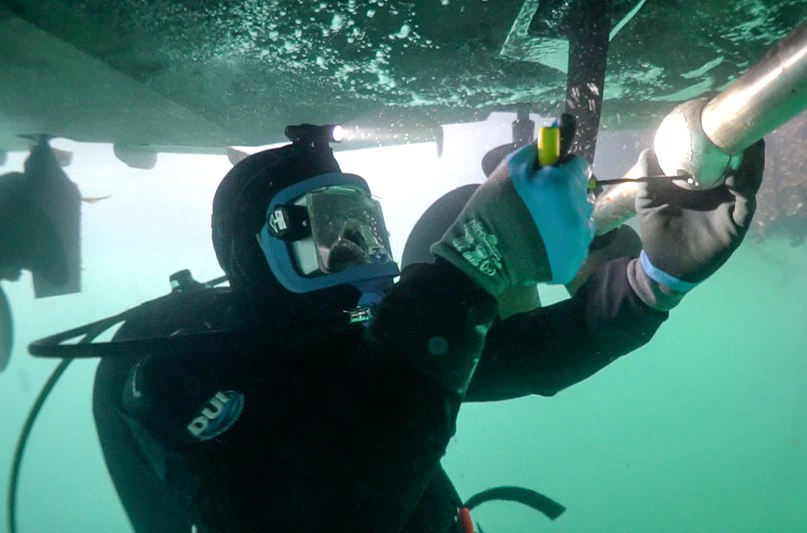
Owning a boat in South Florida means enjoying sunny days, turquoise waters, and year-round boating opportunities. But it also means dealing with the downside of warm, nutrient-rich seas—rapid marine growth. If you’ve ever noticed your boat slowing down, vibrating, or burning extra fuel, chances are your hull needs attention. Knowing the best times for hull cleaning in South Florida can save you money, extend your paint’s lifespan, and keep your boat in peak performance all year long.
In this guide, we’ll break down the seasonal changes that affect your hull, how often you should clean, and what months are ideal for scheduling professional hull maintenance. Whether you’re a weekend cruiser or a full-time liveaboard, this seasonal strategy will help you get the most out of your boating experience.
Why Hull Cleaning Matters in South Florida
South Florida’s tropical environment is both a blessing and a curse for boat owners. The warm water temperatures that make boating enjoyable also accelerate algae, barnacle, and coral growth on your hull. Left untreated, this marine growth increases drag, reduces fuel efficiency, and can damage your antifouling paint. Regular hull cleaning in South Florida ensures smooth performance, safety, and longevity for your vessel.
Even a thin layer of slime can increase fuel consumption by 10%. Barnacle buildup can cut speed by 20% or more. Over time, this extra strain leads to engine wear and costly repairs. That’s why understanding seasonal patterns is crucial to maintaining your hull efficiently.
How Florida’s Climate Affects Marine Growth
Unlike northern waters where marine life slows down in winter, Florida’s subtropical climate encourages year-round fouling. The water rarely dips below 70°F, making it the perfect habitat for marine organisms. But some months are more aggressive than others due to temperature spikes, rain cycles, and salinity changes.
- Spring: Warmer water temperatures trigger faster algae growth.
- Summer: Peak season for barnacles and coral buildup due to heat and humidity.
- Fall: Hurricanes and runoff introduce nutrients that feed marine growth.
- Winter: Slightly slower fouling rates, ideal for deep cleaning and inspections.
By syncing your maintenance schedule with these natural cycles, you can prevent buildup before it becomes a costly problem.
Spring (March–May): The Wake-Up Season for Marine Growth
Spring marks the beginning of the rapid growth season in South Florida waters. As temperatures rise and the water warms up, algae begin to flourish, creating a slippery film on your hull. If left untreated, this biofilm provides a base for barnacles and tube worms to attach.
This is the perfect time to schedule your first major hull cleaning of the year. Inspect the antifouling paint and consider touch-ups if you notice worn areas. A professional diver can also clean your propellers, trim tabs, and intakes to ensure smooth performance as you enter the busy boating months ahead.
Recommended Cleaning Frequency:
- Every 3–4 weeks for boats kept in the water full-time
- Every 6 weeks for dry-docked or less frequently used vessels
Summer (June–August): The High-Growth Season
Summer is when hull cleaning becomes most critical. South Florida’s warmest months bring explosive marine growth. Algae, barnacles, and oysters attach rapidly—sometimes within days. Heavy rains and higher humidity also reduce water salinity in some areas, creating ideal conditions for new types of marine organisms.
Regular hull cleaning in South Florida during this season prevents performance loss and paint damage. Skipping even one cleaning can lead to heavy buildup that requires aggressive scraping, shortening the life of your antifouling coating.
Recommended Cleaning Frequency:
- Every 2–3 weeks for boats moored in warm, shallow water
- Every 4 weeks for boats with high-performance antifouling paint
Pro Tip:
If you use your boat frequently, schedule cleaning right before major trips to boost fuel efficiency and handling. A freshly cleaned hull can save up to 15% in fuel costs during long runs.
Fall (September–November): Post-Summer Recovery and Storm Prep
Fall in South Florida brings two major factors into play—post-summer fouling cleanup and hurricane season preparation. Even if you’ve kept up with regular maintenance, summer growth and debris often accumulate in hard-to-reach areas like shafts, rudders, and intakes.
As water temperatures remain high through September, marine growth continues aggressively. However, by November, growth slows slightly, offering a good opportunity for a deep hull cleaning and inspection. This is also the time to assess any storm-related damage and reapply wax or antifouling coatings if needed.
Recommended Cleaning Frequency:
- Every 3–4 weeks during peak fall temperatures
- One full inspection and polish before storing or trailering your boat
Hurricane preparedness should also include hull inspection and cleaning. Removing growth reduces drag if you need to move the boat quickly to a safer harbor.
Winter (December–February): The Ideal Maintenance Season
Winter offers a slight reprieve from aggressive growth. Water temperatures cool down just enough to slow barnacle and algae reproduction, making this the ideal time for comprehensive maintenance. Winter hull cleaning in South Florida focuses more on prevention and less on heavy growth removal.
This is also a good time for dry-docking your boat for paint inspections, polishing, and minor repairs. Schedule a diver inspection mid-winter to check your propellers, anodes, and underwater lights, ensuring everything is ready for spring.
Recommended Cleaning Frequency:
- Every 5–6 weeks for boats in water full-time
- Every 8 weeks if hauled or covered regularly
Monthly Hull Cleaning Schedule for South Florida Boat Owners
| Month | Marine Growth Level | Recommended Cleaning Frequency |
|---|---|---|
| January – February | Low | Every 5–6 weeks |
| March – May | Moderate to High | Every 3–4 weeks |
| June – August | Very High | Every 2–3 weeks |
| September – November | High | Every 3–4 weeks |
Benefits of Scheduling Hull Cleaning Around the Seasons
- Maximized fuel efficiency: Regular cleaning reduces drag and improves speed.
- Extended paint lifespan: Avoids over-scrubbing caused by heavy buildup.
- Fewer mechanical issues: Keeps intakes, props, and transducers clear.
- Cost savings: Preventive care always costs less than reactive repairs.
Sticking to a seasonal cleaning routine not only improves performance but also protects your investment from long-term wear.
Choosing a Professional Hull Cleaning Service in South Florida
While DIY cleaning is possible, professional divers bring experience, safety, and efficiency. They know how to handle different antifouling coatings and underwater surfaces without causing damage. Look for certified and insured professionals who follow eco-friendly practices and comply with local regulations.
Check trusted organizations like BoatUS or Discover Boating for recommended cleaning services and environmental guidelines.
Eco-Friendly Hull Cleaning Tips
- Use biodegradable cleaning products safe for marine life.
- Avoid scraping antifouling paint directly into the water.
- Schedule cleanings at marinas with proper waste containment systems.
- Inspect zinc anodes regularly to prevent galvanic corrosion.
FAQs About Hull Cleaning in South Florida
1. How often should I clean my hull in South Florida?
For boats kept in the water year-round, clean every 3–4 weeks in cooler months and every 2–3 weeks in summer. Frequency depends on location, usage, and antifouling paint quality.
2. Is winter a good time for hull cleaning?
Yes, winter is ideal for inspections, touch-ups, and preventive maintenance since marine growth slows during cooler water temperatures.
3. Can marine growth damage my hull paint?
Absolutely. Barnacles and shells can penetrate and lift antifouling coatings, leading to corrosion and long-term structural issues.
4. How long does a professional hull cleaning take?
Most professional divers complete the job in 1–2 hours, depending on boat size and buildup level.
5. What’s the best antifouling paint for South Florida waters?
Copper-based and hybrid antifouling paints perform best in warm, high-fouling environments like South Florida.
Conclusion
South Florida’s waters are both beautiful and challenging. By planning your maintenance around the best times for hull cleaning in South Florida, you’ll keep your boat efficient, safe, and storm-ready throughout the year. From spring’s first algae blooms to winter’s calm, consistency is key. Regular hull cleaning doesn’t just preserve your paint—it preserves your peace of mind.
Ready to Schedule Your Next Cleaning?
Don’t wait for barnacles to slow you down. Check out our professional hull cleaning services in South Florida and experience smoother sailing, lower fuel costs, and year-round protection. Contact us today to schedule your next cleaning and keep your vessel at peak performance.
