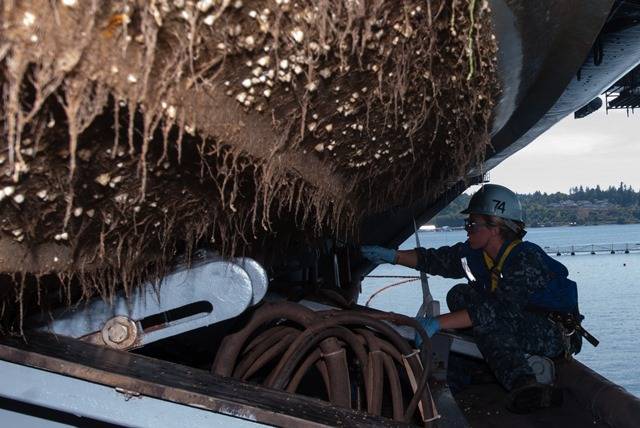
Professional hull cleaning becomes essential when specific warning signs indicate marine growth or fouling has compromised your vessel’s performance. Recognizing these critical indicators early can prevent costly repairs, improve fuel efficiency, and maintain optimal boat safety standards. Understanding when your boat requires immediate hull cleaning attention helps protect your investment while ensuring peak vessel performance on the water.
Marine fouling affects thousands of recreational and commercial vessels annually, with barnacles, algae, and other organisms creating drag that significantly impacts speed and fuel consumption. Regular hull cleaning maintenance prevents these costly performance issues while extending your boat’s operational lifespan through proper underwater surface care.
Understanding Hull Cleaning and Marine Fouling
Hull cleaning involves removing marine organisms, algae, and debris from underwater boat surfaces to maintain optimal hydrodynamic performance. Marine fouling occurs when biological organisms like barnacles, mussels, algae, and bacterial slimes attach themselves to submerged hull surfaces, creating rough textures that increase drag and reduce efficiency.
The American Boat and Yacht Council recognizes proper hull maintenance as essential for vessel safety and performance standards. Different types of fouling require specific cleaning approaches, from soft algae removal using gentle techniques to hard barnacle elimination requiring professional diving services.
Professional boat maintenance experts distinguish between micro-fouling (bacterial slimes and biofilms) and macro-fouling (larger organisms like barnacles and mussels). Early detection of fouling prevents progression from manageable soft growth to problematic hard marine organisms that require aggressive hull cleaning methods.
Warning Sign #1: Decreased Speed and Poor Acceleration
Reduced vessel speed represents the most obvious indicator requiring immediate hull cleaning intervention. Marine growth creates surface roughness that dramatically increases hydrodynamic drag, forcing engines to work harder while achieving lower speeds. Boats experiencing fouling typically show 10-15% speed reduction even with normal engine performance.
Acceleration problems occur when marine organisms disrupt water flow around the hull, creating turbulence that affects propeller efficiency. Vessels that previously reached cruising speed quickly may struggle to achieve similar performance levels, indicating significant underwater fouling requiring professional hull cleaning services.
Performance testing helps identify fouling-related speed issues by comparing current speeds with previous performance records. BoatUS maintenance guidelines recommend documenting speed and acceleration metrics to track vessel performance changes over time.
Measuring Speed Performance Changes
GPS tracking devices provide accurate speed measurements for comparing current performance against baseline readings. Record speeds at consistent throttle settings and weather conditions to identify gradual performance degradation indicating hull cleaning needs.
Professional marine surveyors recommend maintaining performance logs documenting speed, fuel consumption, and engine RPM readings. These records help identify when decreased performance warrants hull cleaning rather than engine maintenance or other mechanical issues.
Warning Sign #2: Significantly Increased Fuel Consumption
Excessive fuel consumption directly correlates with marine fouling severity, as engines compensate for increased drag by burning more fuel to maintain desired speeds. Fouled hulls can increase fuel consumption by 20-40%, creating substantial operational costs that far exceed hull cleaning expenses.
Marine growth forces engines to operate at higher RPMs to achieve normal cruising speeds, dramatically increasing hourly fuel burn rates. Boat owners monitoring fuel consumption typically notice gradual increases before observing obvious speed reductions, making fuel tracking an early fouling detection method.
Fuel efficiency monitoring helps justify hull cleaning investments by documenting actual savings achieved through proper vessel maintenance. Clean hulls reduce engine strain, lowering fuel costs while extending engine life through reduced operational stress.
Calculating Fuel Efficiency Changes
Document fuel consumption per nautical mile or per hour of operation to establish baseline efficiency measurements. Compare monthly fuel usage against previous periods while accounting for weather conditions, load variations, and operational patterns.
Advanced vessel monitoring systems provide real-time fuel flow data enabling precise fouling impact assessment. Professional boat maintenance programs use this data to optimize hull cleaning schedules based on actual performance degradation rather than arbitrary time intervals.
Warning Sign #3: Difficult Steering and Poor Maneuverability
Marine fouling disrupts water flow around rudders, propellers, and hull surfaces, creating handling difficulties that compromise vessel safety and operational effectiveness. Boats experiencing fouling often feel sluggish during turns, require increased steering input, or exhibit unpredictable handling characteristics in various sea conditions.
Heavy fouling concentrates around through-hulls, rudder stocks, and propeller areas where water flow changes create ideal attachment points for marine organisms. These critical control surfaces lose effectiveness when covered with barnacles, algae, or other growth requiring immediate hull cleaning attention.
Professional mariners recognize handling changes as serious safety concerns requiring prompt hull cleaning intervention. Poor maneuverability increases collision risks, complicates docking procedures, and reduces emergency response capabilities during adverse conditions.
Identifying Steering Problems
Test vessel responsiveness in calm conditions by performing standard turning exercises and noting any changes in steering effort or response time. Document handling characteristics during routine operations to establish performance baselines for comparison.
Pay attention to unusual vibrations through the steering wheel or increased effort required for course corrections. These symptoms often indicate propeller or rudder fouling requiring specialized underwater hull cleaning services.
Warning Sign #4: Unusual Vibrations and Strange Noises
Abnormal vibrations transmitted through the hull or drive system frequently indicate marine growth affecting propeller balance or water flow patterns. Fouling creates irregular surfaces that disrupt smooth water flow, generating vibrations felt throughout the vessel structure during operation.
Strange noises including grinding, rattling, or unusual engine sounds may indicate marine growth interfering with cooling water intakes, propeller operation, or through-hull fittings. Professional hull cleaning addresses these issues by removing organisms that create mechanical interference or flow restrictions.
Drive system vibrations increase component wear while reducing passenger comfort and vessel performance. Early detection through regular monitoring prevents minor fouling from developing into major mechanical problems requiring expensive repairs beyond simple hull cleaning services.
Diagnosing Vibration Sources
Systematic inspection helps identify vibration sources by checking engine mounts, propeller condition, and shaft alignment while considering fouling as a contributing factor. Professional marine mechanics often recommend hull cleaning before performing extensive mechanical diagnostics.
Monitor vibration patterns at different engine speeds to determine whether issues originate from marine growth, mechanical wear, or other causes. Fouling-related vibrations typically worsen with increased speed as water flow disruption intensifies.
Warning Sign #5: Visible Marine Growth During Inspection
Direct visual confirmation of marine organisms on hull surfaces provides definitive evidence requiring immediate hull cleaning action. Regular underwater inspections reveal algae, barnacles, mussels, or other growth that compromises vessel performance and potentially damages protective coatings.
Professional divers recommend monthly underwater inspections for vessels in active use, particularly in warm waters where marine growth accelerates. Early detection allows gentle hull cleaning techniques rather than aggressive methods required for established fouling colonies.
Different fouling types require specific cleaning approaches, from soft brushing for algae to specialized tools for barnacle removal. Marine coating research demonstrates that prompt fouling removal protects expensive antifouling paints while maintaining their effectiveness.
Inspection Techniques
Use underwater cameras or professional diving services to document fouling conditions and track growth patterns over time. Photography provides valuable records for insurance claims and maintenance planning while enabling comparison of cleaning effectiveness.
Focus inspections on high-fouling areas including the waterline, through-hulls, propellers, and areas where water flow creates ideal attachment conditions for marine organisms.
The Cost Impact of Delayed Hull Cleaning
Postponing necessary hull cleaning creates escalating costs through increased fuel consumption, reduced vessel performance, and potential damage to expensive antifouling coatings. Professional marine maintenance programs demonstrate that regular hull cleaning provides significant long-term savings compared to reactive approaches.
Severe fouling requires aggressive removal techniques that may damage gel coat, antifouling paint, or other protective surfaces. Early intervention allows gentle cleaning methods that preserve hull integrity while maintaining vessel performance at optimal levels.
Insurance implications include potential coverage restrictions for vessels showing inadequate maintenance practices. Proper documentation of regular hull cleaning helps support insurance claims while demonstrating responsible vessel ownership and care.
Professional Hull Cleaning Methods
Certified marine technicians use specialized equipment and techniques for safe, effective hull cleaning that removes fouling while protecting vessel surfaces. Professional services include underwater brushing, pressure washing, and biological treatment systems designed for specific fouling types.
Environmental considerations guide professional hull cleaning practices, with regulations governing paint removal and organism disposal in sensitive marine areas. Proper techniques minimize environmental impact while achieving thorough fouling removal for optimal vessel performance.
Scheduling professional hull cleaning based on warning signs rather than arbitrary time intervals optimizes maintenance costs while ensuring peak vessel performance. Expert assessment helps determine appropriate cleaning frequency based on local water conditions, vessel usage patterns, and fouling severity.
Preventive Hull Cleaning Strategies
Proactive boat maintenance includes regular bottom painting with quality antifouling coatings, prompt fouling removal, and proper vessel storage to minimize marine growth exposure. Prevention costs significantly less than corrective hull cleaning while maintaining consistent vessel performance.
Water temperature, salinity, and nutrient levels affect fouling rates, requiring adjusted maintenance schedules for different operating areas. Vessels operating in tropical waters need more frequent hull cleaning compared to those in cooler climates where marine growth occurs more slowly.
Modern antifouling technologies include self-polishing coatings, biocide-free alternatives, and specialized treatments for specific fouling organisms. Professional marine coatings provide longer protection intervals while reducing environmental impact through improved effectiveness and reduced toxicity.
Seasonal Hull Cleaning Considerations
Fouling patterns vary seasonally, with increased growth during warmer months requiring more frequent hull cleaning schedules. Spring represents peak fouling season in many regions, while winter storage reduces exposure and cleaning requirements for seasonal vessels.
Pre-season hull cleaning ensures optimal performance for peak usage periods while identifying any winter damage or coating degradation requiring attention. Post-season cleaning removes accumulated fouling before storage, preventing organism decay and associated odors or staining.
Regional variations in fouling organisms require localized hull cleaning strategies adapted to specific marine environments. Professional services understand local conditions and adjust techniques accordingly for optimal results with minimal environmental impact.
DIY vs Professional Hull Cleaning
Owner-performed hull cleaning works effectively for light fouling using proper techniques and safety equipment, while heavy fouling or valuable vessels benefit from professional services with specialized tools and expertise. Safety considerations include diving certification, appropriate equipment, and environmental regulations governing cleaning activities.
Professional hull cleaning services provide insurance coverage, environmental compliance, and expertise in handling various fouling types safely and effectively. Cost comparison includes equipment investment, time requirements, and potential risks associated with improper techniques or inadequate safety measures.
Training programs teach proper hull cleaning techniques for boat owners interested in performing their own maintenance while ensuring safety and environmental compliance. These programs cover fouling identification, appropriate tools, and best practices for effective fouling removal.
Frequently Asked Questions
How often should I schedule professional hull cleaning?
Hull cleaning frequency depends on local water conditions, vessel usage, and fouling severity, typically ranging from monthly cleaning in tropical waters to quarterly service in temperate climates. Monitor the five warning signs discussed above to determine optimal cleaning intervals for your specific situation.
Can I perform hull cleaning myself safely?
Experienced divers can safely perform light hull cleaning using appropriate safety equipment and gentle techniques, while heavy fouling or complex cleaning requires professional services with specialized tools and environmental compliance expertise. Always prioritize safety and consider local regulations governing underwater work.
What’s the average cost savings from regular hull cleaning?
Regular hull cleaning typically reduces fuel consumption by 15-25% while preventing costly engine repairs and coating damage, with savings often exceeding cleaning costs within the first season. Professional maintenance programs help optimize cleaning schedules for maximum cost-effectiveness based on individual vessel requirements.
Recognizing these five warning signs enables proactive hull cleaning decisions that maintain vessel performance, reduce operational costs, and prevent expensive repairs. Regular monitoring and professional maintenance ensure your boat operates efficiently while protecting your marine investment through proper underwater surface care and timely fouling removal. Visit our website for more information.
