Introduction
Is marine growth dragging down your boat’s performance and fuel efficiency? Choosing the right hull cleaning technology can make all the difference, saving you money and protecting the environment. From robotic cleaners to eco-friendly brushes, the right tools ensure a smooth hull without harming marine ecosystems. This article explores how to select the best hull cleaning technology for your vessel in 2025, covering benefits, selection tips, and best practices. For more maintenance insights, check our boat care guide.
What is Hull Cleaning Technology and Why is it Important?
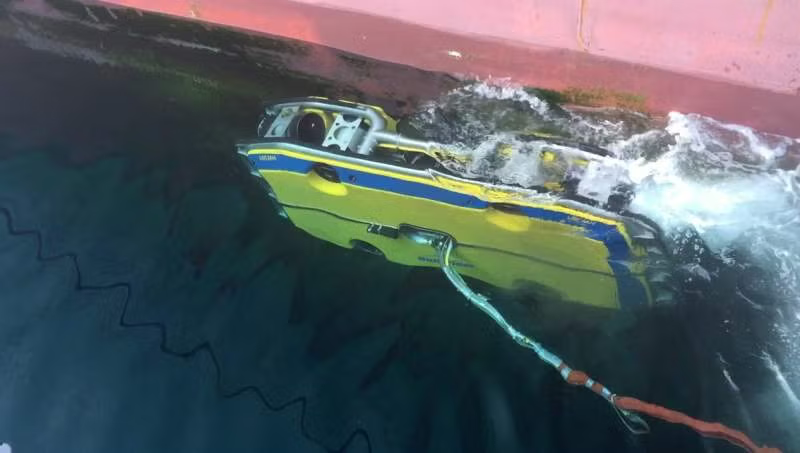
Hull cleaning technology refers to tools and systems—such as robotic cleaners, ultrasonic devices, and eco-friendly brushes—designed to remove biofouling (barnacles, algae, and mussels) from a boat’s hull. These technologies maintain boat performance and fuel efficiency while minimizing environmental impact.
A 2024 International Maritime Organization report states that biofouling can increase fuel consumption by 20-40%, costing boaters thousands annually. The right technology ensures efficient cleaning, reduces emissions, and complies with strict environmental regulations. For sustainable options, see our eco-friendly boating guide.
Key Benefits of Choosing the Right Hull Cleaning Technology
Selecting the best hull cleaning technology offers significant advantages:
- Enhanced Fuel Efficiency: Clean hulls reduce drag, cutting fuel use by up to 40%.
- Improved Boat Performance: Smoother hulls boost speed and maneuverability.
- Environmental Protection: Eco-friendly technologies like robotic cleaners minimize marine ecosystem harm.
- Cost Savings: Efficient tools reduce cleaning time and prevent hull damage, lowering repair costs.
- Regulatory Compliance: Advanced systems align with 2025 environmental laws, avoiding fines.
These benefits make choosing the right technology critical for smart boating.
How to Choose the Right Hull Cleaning Technology Effectively
Follow these steps to select the best hull cleaning technology for your boat:
- Assess Your Boat’s Needs: Consider hull size, material, and fouling severity to match technology to your vessel.
- Prioritize Eco-Friendly Options: Choose tools using biodegradable cleaners or non-abrasive methods to protect marine life.
- Evaluate Technology Types: Compare robotic cleaners, ultrasonic systems, and manual brushes for efficiency and cost.
- Check Compatibility: Ensure the technology suits your hull’s coating to avoid damage.
- Research Providers or Tools: Read reviews and verify certifications for professional services or DIY equipment.
- Consider Budget and Frequency: Balance initial costs with long-term savings for frequent cleanings.
Best Practices for Hull Cleaning Technology in 2025
Adopt these 2025 best practices to optimize your technology choice:
- Leverage Robotic Cleaners: Systems like HullBot, trending 35% higher in Google searches, offer precise, eco-friendly cleaning.
- Use Monitoring Apps: Tools like BioTrack predict fouling rates, helping you choose technology and cleaning schedules.
- Opt for Ultrasonic Systems: These emerging technologies disrupt biofouling without chemicals, ideal for eco-conscious boaters.
- Ensure Regulatory Compliance: Select technologies approved by IMO or EPA to meet 2025 environmental standards.
- Combine with Maintenance: Pair hull cleaning with propeller and rudder checks for comprehensive care.
These practices ensure efficient, sustainable cleaning tailored to your boat.
Common Mistakes to Avoid When Choosing Hull Cleaning Technology
Steer clear of these pitfalls to make the right choice:
- Ignoring Hull Compatibility: Using unsuitable tools can damage coatings, leading to costly repairs.
- Choosing Non-Eco-Friendly Tech: Harsh chemical-based systems harm marine life and violate regulations.
- Focusing Solely on Cost: Cheap tools may lack efficiency or durability, increasing long-term expenses.
- Overlooking Training Needs: Complex technologies like robotics require proper training for effective use.
- Neglecting Maintenance Schedules: Infrequent cleaning reduces technology effectiveness and fuel efficiency.
Avoiding these mistakes ensures optimal performance and sustainability.
FAQs About Hull Cleaning Technology
Q: What types of hull cleaning technologies are available?
A: Options include robotic cleaners, ultrasonic systems, soft brushes, and water jet systems, each varying in efficiency and eco-impact.
Q: How do I know which technology suits my boat?
A: Assess hull size, material, fouling severity, and environmental goals. Consult professionals for tailored advice.
Q: Can hull cleaning technology improve fuel efficiency?
A: Yes, clean hulls reduce drag, cutting fuel use by up to 40%, per 2024 studies.
Q: Are eco-friendly hull cleaning technologies effective?
A: Absolutely! Biodegradable cleaners and robotic systems effectively remove fouling while protecting ecosystems.
Q: How often should I use hull cleaning technology?
A: Clean every 4-8 weeks in warm waters or 2-3 months in cooler climates, based on fouling levels.
Conclusion
Choosing the right hull cleaning technology enhances boat performance, boosts fuel efficiency, and supports eco-conscious boating. By selecting tools like robotic cleaners or ultrasonic systems, following 2025 best practices, and avoiding common mistakes, you can keep your vessel efficient and environmentally friendly. Make an informed choice to save money and protect marine ecosystems. Ready to upgrade your hull maintenance? Explore our recommended hull cleaning services!
