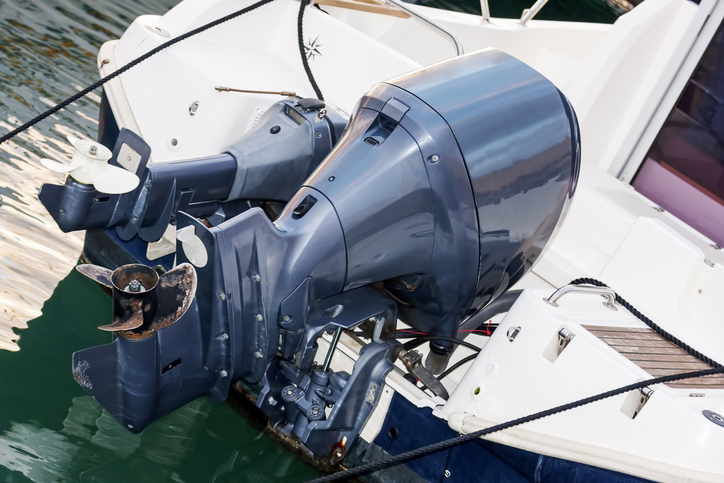
Did you know that unchecked electrolysis and galvanic corrosion can silently destroy vital metal parts on your boat—sometimes in just a single season? Understanding electrolysis and galvanic corrosion on boats is not just for professionals but for every boat owner who wants to prevent costly damage and extend vessel life. This comprehensive guide will break down what understanding electrolysis and galvanic corrosion on boats means, why it matters, the proven benefits of active prevention, and the best steps you can take today.
What is Understanding Electrolysis and Galvanic Corrosion on Boats and Why is it Important?
Understanding electrolysis and galvanic corrosion on boats centers on grasping the two leading causes of underwater metal degradation. Galvanic corrosion occurs when two different metals are connected in the presence of an electrolyte like saltwater. One metal (the anode) deliberately corrodes to protect the other (the cathode). This process is why we use sacrificial anodes.
Electrolysis (also called stray current corrosion) is caused by unwanted electrical currents, often from faulty wiring, shore power, or even a neighbor’s boat. This current flows through the boat’s metal components and out into the water, greatly accelerating corrosion—sometimes eating through metal in weeks.
Regular maintenance and inspections are crucial, as both forms of corrosion damage can lead to pitting, paint blistering, and catastrophic metal loss. Modern boating studies highlight that vessels properly protected with anodes and effective electrical insulation can achieve 40% longer component life and save thousands in repairs.
Key Benefits of Understanding Electrolysis and Galvanic Corrosion on Boats
- Prevents silent, rapid metal loss—save on hull, prop, and shaft replacements.
- Boosts long-term vessel reliability and resale value.
- Ensures insurance compliance and survey readiness.
- Helps reduce environmental impact by keeping metal contaminants out of the water.
- Empowers boat owners to spot issues early and address them before costly repairs are needed.
How to Use Understanding Electrolysis and Galvanic Corrosion on Boats Effectively
Step-by-Step Prevention
- Inspect Anodes Frequently: Ensure sacrificial anodes are present, undamaged, and replaced as needed.
- Check for Loose or Dissimilar Metals: Ensure all metal contacts are compatible and corrosion-free.
- Monitor Electrical Systems: Have a certified electrician check for stray currents, especially before and after using shore power.
- Install Galvanic Isolators: Use isolators and bonding systems to block stray currents.
- Regular Maintenance: Wash with fresh water after every trip, and periodically inspect wiring, hulls, and all underwater metal fittings.
- Document Everything: Keep photos and logs to monitor changes and justify insurance claims.
Best Practices for Understanding Electrolysis and Galvanic Corrosion on Boats in 2025
- Schedule annual marine electrical inspections, focusing on bonding and grounding systems.
- Upgrade to marine-rated cables, isolators, and sacrificial anodes that meet the latest industry standards.
- Check and replace anodes every 6–12 months—sooner if you notice accelerated wear.
- Keep up with marina rules: many now require approved isolators and restrict the use of certain metals.
- Educate your crew on early warning signs—white powdery residue, pitting, or rapid anode depletion.
Common Mistakes to Avoid When Using Understanding Electrolysis and Galvanic Corrosion on Boats
- Neglecting to inspect for stray current or ignoring fast-wearing anodes.
- Mixing incompatible metals in the same circuit (e.g., aluminum and stainless steel).
- Using household-grade wiring or skipping marine-rated isolators and anodes.
- Painting over or insulating sacrificial anodes, preventing them from functioning.
- Failing to replace old or corroded bonding wires.
FAQs About Understanding Electrolysis and Galvanic Corrosion on Boats
How can I tell if my boat has a galvanic corrosion problem?
Look for pitting, white powdery residue, or fast-wearing anodes—these are classic signs.
Can stray current from another boat harm my vessel?
Yes. Faulty wiring on nearby boats in a marina can stray current, affecting other vessels.
Are galvanic isolators worth the investment?
Definitely—they block most harmful stray currents and are now required in many marinas.
How does regular anode inspection really help?
Early detection of unusual wear can reveal problems before severe damage, saving costs and hassle.
Can using the wrong anode type cause trouble?
Yes—always match anode material (zinc, aluminum, magnesium) to your boat’s water environment.
Conclusion
Understanding electrolysis and galvanic corrosion on boats isn’t just technical—it’s key to affordable, safe boating. Know the risks, check your systems, and invest in the right protections. For detailed DIY advice and the latest corrosion prevention tips, visit our website.
