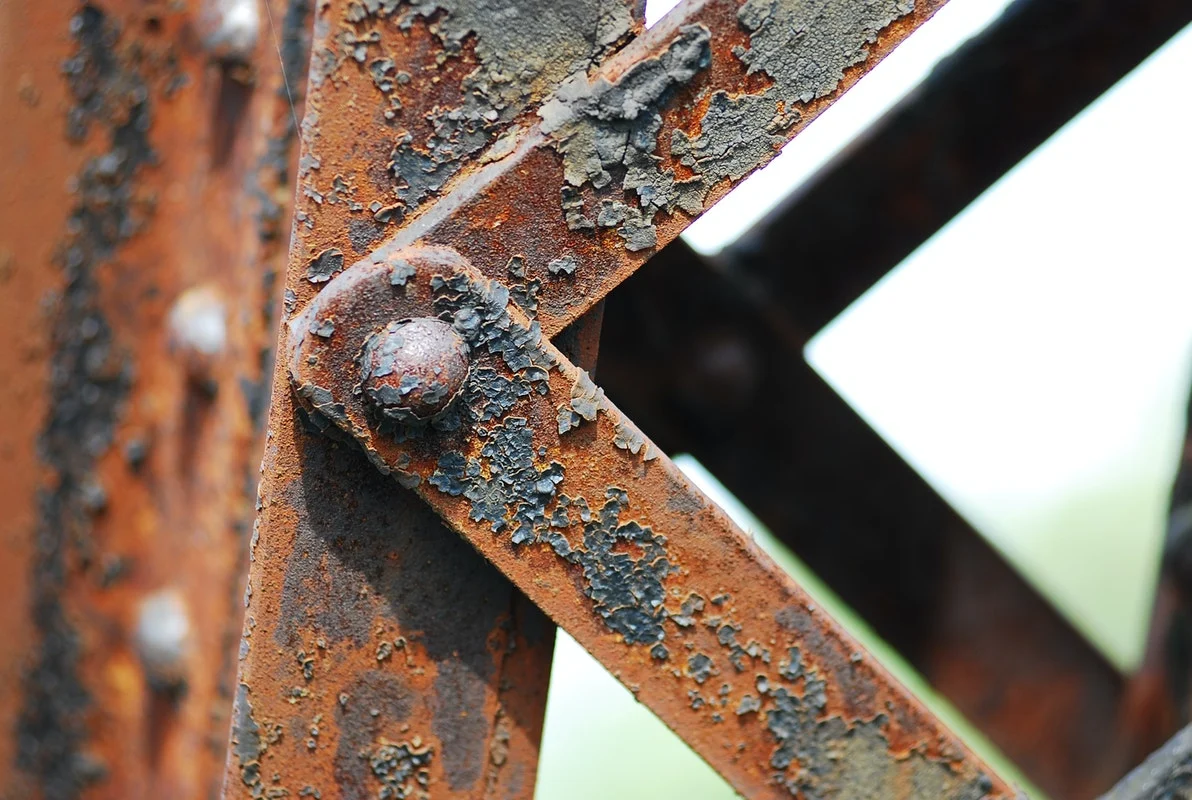
Did you know that neglecting zinc replacement can lead to severe corrosion and thousands in repair costs for your vessel or metal equipment? How proper zinc replacement prevents corrosion is not just about maintenance—it’s a science-backed action that protects everything from boats to industrial structures. This guide explains in detail how proper zinc replacement prevents corrosion, why it’s so critical, and how you can maximize the performance and longevity of your assets with simple, effective steps.
What is How Proper Zinc Replacement Prevents Corrosion and Why is it Important?
How proper zinc replacement prevents corrosion refers to the active practice of inspecting and changing sacrificial zinc anodes on metal surfaces to guard against chemical breakdown. Zinc acts as a sacrificial metal—corroding in place of more valuable metals like steel or bronze. Through a scientific process called cathodic protection, zinc anodes take on the destructive effects of galvanic corrosion, safeguarding propellers, shafts, hulls, and pipelines.
Statistics show that regular zinc anode replacement can slow the corrosion rate of steel by up to 90% in marine environments. Neglecting timely replacement exposes components to rust, pitting, and eventual failure—posing safety risks and potentially leading to costs that far exceed simple preventive maintenance. This underscores why understanding how proper zinc replacement prevents corrosion is essential for any asset exposed to moisture or harsh environments.
Key Benefits of How Proper Zinc Replacement Prevents Corrosion
- Extends equipment and vessel lifespan—zinc absorbs corrosive forces so core metals last years longer.
- Saves money on repairs—routine zinc replacement prevents costly breakdowns and emergency overhauls.
- Maintains peak performance—key systems like propulsion or structural supports remain strong, safe, and efficient.
- Supports regulatory and insurance requirements for marine and industrial safety.
- Eco-friendly options now available—reducing the environmental impact of maintenance while preserving corrosion protection.
How to Use How Proper Zinc Replacement Prevents Corrosion Effectively
Ready to prevent corrosion? Follow these step-by-step instructions:
- Inspect Regularly: Check all zinc anodes every 3–6 months or after heavy use. Look for signs of substantial wear (over 50% depletion).
- Remove and Clean: Detach old anodes. Clean the mounting surfaces of all debris, paint, and oxidation to ensure good electrical contact.
- Select the Right Anode: Use marine-grade zinc for saltwater, considering aluminum or magnesium for other environments.
- Install for Full Contact: Attach the new zinc anode tightly, ensuring it contacts the base metal directly—never over paint or sealant.
- Distribute Evenly: Position anodes near all exposed metal components for uniform protection.
- Document and Remind: Record each replacement and set reminders for the next inspection.
Best Practices for How Proper Zinc Replacement Prevents Corrosion in 2025
- Bundle anode replacement with haul-outs or regular maintenance checks.
- Upgrade to eco-friendly or hybrid anodes with reduced environmental impact where regulations suggest or require it.
- Inspect after storms or heavy use—severe conditions can accelerate zinc wear.
- Replace at 50% depletion, not when fully used up, to ensure continuous protection.
- Stay updated on local requirements—some marinas mandate type or frequency of anode replacement for environmental reasons.
Common Mistakes to Avoid When Using How Proper Zinc Replacement Prevents Corrosion
- Delaying replacement until the zinc is almost totally gone, increasing risk to core components.
- Improper installation over painted surfaces—prevents current flow and defeats zinc’s protective effect.
- Using the wrong type of anode (e.g., zinc in freshwater accelerates wear and reduces effectiveness).
- Overlooking small or hidden components like trim tabs or cooling system anodes.
- Failing to log maintenance—missed intervals can expose your asset to unnecessary risk.
FAQs About How Proper Zinc Replacement Prevents Corrosion
How often should zinc anodes be replaced?
Inspect every 3–6 months, replace when 50% depleted or at least annually for most boats.
Can I switch to alternative anodes for corrosion prevention?
Yes. Aluminum or hybrid anodes work well and are more eco-friendly, especially in marinas with environmental restrictions.
Does replacing zinc anodes really stop rust?
Yes. Zinc acts as a sacrificial layer, dramatically slowing or stopping rust and pitting on core metals.
Will improper installation reduce protection?
Absolutely. Full contact and correct placement are vital for proper function.
Is professional help required?
Not always. With basic tools and guidance, most owners can replace zinc anodes themselves.
Conclusion
Understanding how proper zinc replacement prevents corrosion is key to protecting your investment, safety, and operational efficiency. Follow a proactive inspection and replacement schedule, install anodes correctly, and choose sustainable options for lasting results.
