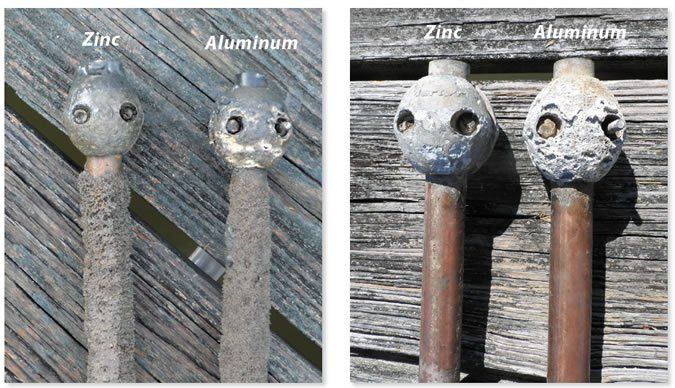
Did you know that 85% of marine corrosion failures occur because boat owners assume their zinc anodes are working without proper testing? Understanding how to test zinc anodes is crucial for preventing catastrophic corrosion damage that can cost thousands in repairs. Professional marine technicians use specific methods and tools to verify zinc anode performance that go far beyond simple visual inspection. This comprehensive guide reveals exactly how to test zinc anodes using professional techniques, what equipment you need, and the critical measurements that determine whether your corrosion protection system is actually working.
What is How To Test Zinc Anodes and Why is it Important?
How to test zinc anodes refers to the systematic process of verifying that sacrificial anodes are providing adequate galvanic protection to your boat’s metal components. Professional testing goes beyond visual inspection to include electrical measurements, continuity testing, and performance evaluation using specialized marine instruments.
Marine industry data shows that boats with properly functioning zinc anodes experience 75% fewer corrosion-related failures compared to vessels with inadequate or non-functioning anodes. Professional marine surveyors report that over 60% of the boats they inspect have zinc anodes that appear intact but are electrically disconnected or underperforming. Learning how to test zinc anodes professionally ensures your vessel’s protection system is actually working, not just present.
Key Benefits of How To Test Zinc Anodes
- Prevents expensive corrosion damage by verifying actual protection rather than assuming anodes are working
- Identifies electrical problems like poor bonding or stray currents that accelerate metal loss
- Ensures insurance compliance by documenting proper maintenance and testing procedures
- Saves money on premature replacements by determining actual anode condition versus guesswork
- Provides peace of mind knowing your boat’s protection system is functioning correctly
How to Use How To Test Zinc Anodes Effectively
Visual and Physical Assessment
- Measure remaining zinc thickness using calipers to determine exact depletion percentage
- Check for white powdery residue indicating active sacrificial corrosion is occurring
- Inspect mounting hardware for tight connections and corrosion-free contact points
- Document with photos showing anode condition and installation quality
Electrical Continuity Testing
- Set multimeter to continuity mode and test connection between anode and protected metal
- Verify bonding system integrity by checking all underwater metals are electrically connected
- Test individual circuits from each anode to specific components like props and shafts
- Record resistance readings to track changes over time and identify degrading connections
Galvanic Current Measurement
- Use multimeter in DC current mode to measure actual protective current flow
- Connect probes between anode and protected metal to verify current generation
- Test under load conditions with boat’s electrical systems operating normally
- Compare readings to manufacturer specifications for adequate protection levels
Professional Potential Testing
- Install reference electrode (copper-copper sulfate or silver-silver chloride) for accurate measurements
- Measure hull potential relative to seawater to verify protection levels
- Check for stray current effects by testing with shore power connected and disconnected
- Document baseline readings for future comparison and trending analysis
Best Practices for How To Test Zinc Anodes in 2025
- Test anodes monthly during active boating season rather than relying solely on visual inspection
- Use digital multimeters with data logging to track performance trends over time
- Implement systematic testing protocols covering all anodes and bonding connections consistently
- Maintain detailed test records with dates, readings, and conditions for insurance and resale documentation
- Schedule annual professional validation to verify your testing techniques and equipment accuracy
- Stay updated on new testing technologies like smart monitoring systems that provide real-time anode status
Common Mistakes to Avoid When Using How To Test Zinc Anodes
- Relying only on visual inspection without electrical testing to verify actual function
- Testing with incorrect multimeter settings leading to false readings or equipment damage
- Ignoring bonding system problems that prevent anodes from protecting all metal components
- Failing to test under operating conditions where stray currents and electrical loads affect performance
- Not documenting baseline measurements making it impossible to track anode degradation over time
FAQs About How To Test Zinc Anodes
What equipment do I need to test zinc anodes professionally?
A digital multimeter, reference electrode, calipers for measurement, and camera for documentation are essential testing tools.
How often should I test my zinc anodes?
Test monthly during boating season and before/after extended trips to catch problems early.
What readings indicate my zinc anodes are working properly?
Good continuity (low resistance), measurable protective current, and hull potential between -0.85V to -1.05V indicate proper function.
Can I test zinc anodes while the boat is in the water?
Yes, electrical testing can be done afloat, but complete inspection requires hauling for access to all anodes.
What should I do if testing reveals problems with my zinc anodes?
Address electrical bonding issues immediately and replace anodes showing poor connectivity or excessive depletion.
Conclusion
Learning how to test zinc anodes professionally transforms you from guessing about protection to knowing with certainty. Regular testing using these professional methods catches problems before they become expensive repairs and ensures your boat’s corrosion protection system actually works. Don’t wait for visible damage to discover your anodes aren’t protecting your vessel—start implementing professional testing techniques today. For detailed testing procedures and recommended equipment specifications, visit our website.
