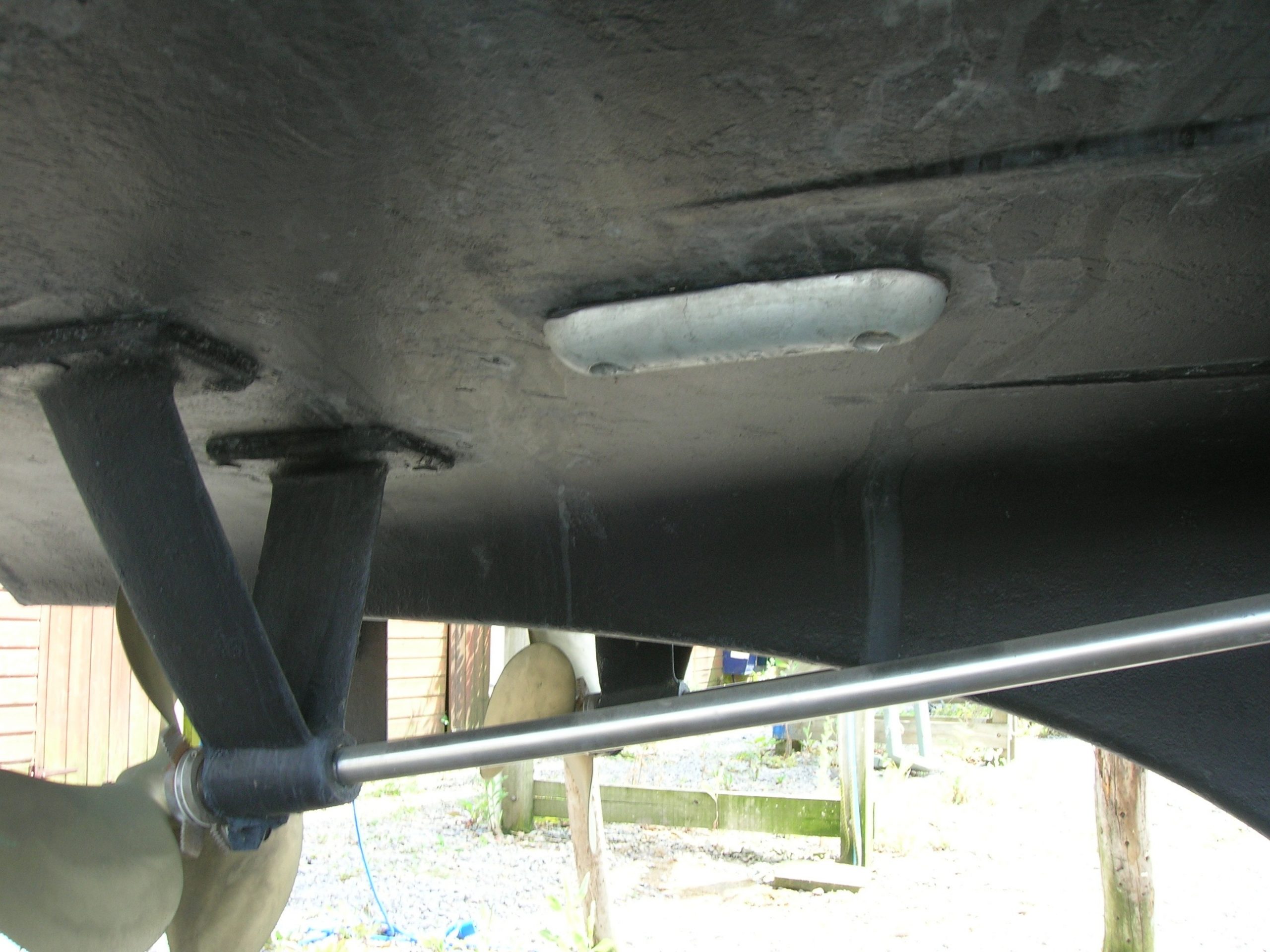
Did you know that water temperature and salinity can increase your zinc anode consumption by up to 300% in certain conditions? Understanding how water temperature and salinity affect zinc consumption is crucial for boat owners who want to optimize their corrosion protection and avoid unexpected anode failures. Many boaters replace zinc anodes on a fixed schedule without considering that environmental factors dramatically influence consumption rates. This comprehensive guide explains exactly how water temperature and salinity affect zinc consumption, helping you predict replacement intervals and choose the right anodes for your specific boating environment.
What is Water Temperature and Salinity Affect Zinc Consumption and Why is it Important?
Water temperature and salinity affect zinc consumption refers to how these environmental factors influence the rate at which sacrificial zinc anodes corrode and dissolve in marine environments. Research shows that higher temperatures accelerate electrochemical reactions, while increased salinity enhances conductivity, both dramatically increasing zinc dissolution rates.
Scientific studies demonstrate that zinc consumption increases exponentially with temperature, particularly above 60°C where zinc anodes can suffer intergranular corrosion and polarity reversal. Similarly, higher salt concentrations create more aggressive electrolytes that accelerate the sacrificial process. Marine industry data indicates that boats operating in warm, highly saline waters may experience zinc consumption rates 2-3 times higher than those in cooler, brackish conditions. Understanding how water temperature and salinity affect zinc consumption enables boat owners to adjust maintenance schedules and select appropriate anode materials for their operating environment.
Key Benefits of Water Temperature and Salinity Affect Zinc Consumption
- Optimizes replacement scheduling by predicting actual consumption rates based on environmental conditions
- Prevents unexpected anode failure in high-temperature or high-salinity environments where consumption accelerates
- Reduces maintenance costs through accurate planning and appropriate anode selection for specific conditions
- Improves corrosion protection by ensuring adequate anode material remains under all operating conditions
- Enhances safety and reliability by preventing premature anode depletion that could expose critical components
How to Use Water Temperature and Salinity Affect Zinc Consumption Effectively
Monitor Environmental Conditions
- Record water temperatures during each boating trip using digital thermometers or engine temperature gauges
- Test water salinity using refractometers or conductivity meters to determine actual salt content
- Document seasonal variations in both temperature and salinity at your regular boating locations
- Track consumption patterns by measuring anode depletion against environmental data
Adjust Replacement Schedules
- Increase inspection frequency when operating in waters above 25°C or high salinity conditions
- Reduce replacement intervals by 30-50% in tropical or highly saline environments where consumption accelerates
- Plan for seasonal variations with more frequent replacements during summer months in warm climates
- Consider backup anodes for extended trips in challenging environmental conditions
Select Appropriate Anode Materials
- Choose high-temperature zinc alloys for waters consistently above 60°C to prevent polarity reversal
- Consider aluminum anodes in extremely saline conditions where zinc consumption becomes excessive
- Size anodes appropriately for expected consumption rates based on temperature and salinity data
- Install additional anodes in high-consumption environments to ensure adequate protection duration
Best Practices for Water Temperature and Salinity Affect Zinc Consumption in 2025
- Use environmental monitoring technology like smart sensors that track temperature and salinity continuously
- Implement predictive maintenance algorithms that calculate expected zinc consumption based on real-time environmental data
- Document environmental conditions in maintenance logs to establish consumption patterns for insurance and warranty purposes
- Coordinate with local marine services to understand regional factors that influence zinc consumption rates
- Stay updated on climate trends as changing ocean temperatures affect long-term zinc consumption patterns globally
Common Mistakes to Avoid When Using Water Temperature and Salinity Affect Zinc Consumption
- Using fixed replacement schedules without considering how environmental conditions accelerate zinc consumption
- Ignoring temperature thresholds above 60°C where standard zinc anodes become ineffective or dangerous
- Underestimating salinity effects in areas where high salt content dramatically increases consumption rates
- Failing to adjust for seasonal changes that create dramatic variations in zinc consumption throughout the year
- Not documenting environmental conditions making it impossible to correlate consumption patterns with operating conditions
FAQs About Water Temperature and Salinity Affect Zinc Consumption
How much do high temperatures increase zinc consumption rates?
Research shows zinc consumption can double for every 10°C temperature increase, with dramatic acceleration above 60°C.
Does saltwater really consume zinc anodes faster than freshwater?
Yes, higher salinity increases conductivity and electrochemical activity, significantly accelerating zinc dissolution rates.
At what temperature do zinc anodes become dangerous?
Above 60°C, standard zinc anodes can suffer polarity reversal, actually accelerating corrosion of protected metals.
Can I predict zinc consumption based on water conditions?
Yes, by monitoring temperature and salinity consistently, you can establish consumption patterns for your specific operating environment.
Should I use different anodes in tropical waters?
Consider high-temperature zinc alloys or aluminum anodes in consistently warm, highly saline tropical conditions.
Conclusion
Understanding how water temperature and salinity affect zinc consumption transforms maintenance from guesswork into science-based planning. By monitoring environmental conditions and adjusting your approach accordingly, you can optimize protection while minimizing costs and unexpected failures. Don’t let environmental factors catch you off guard—start tracking the conditions that influence your zinc consumption today. For detailed environmental monitoring techniques and consumption calculation methods, explore our website.
