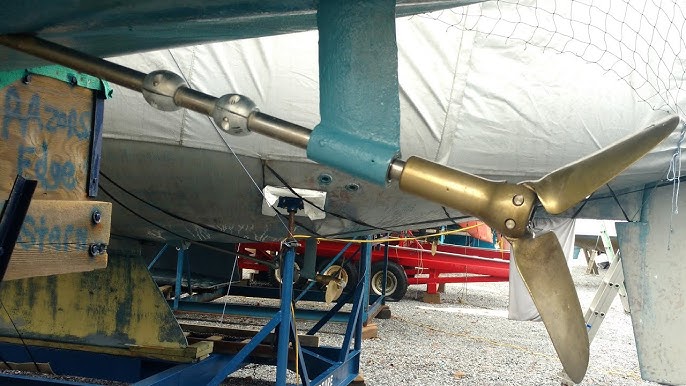
Did you know that failing to replace zinc anodes on propellers, shafts, and rudders can cause marine hardware to corrode up to 10 times faster? Regularly replacing zinc anodes on propellers, shafts, and rudders is crucial for vessel safety and long-term cost savings. This guide reveals why this maintenance is important, step-by-step approaches for effective zinc anode replacement, and key best practices to ensure your boat’s metal components stay protected year-round.
What is Replacing Zinc Anodes on Propellers, Shafts, and Rudders and Why is it Important?
Replacing zinc anodes on propellers, shafts, and rudders means changing out worn sacrificial anodes to protect critical underwater components from galvanic corrosion. Zinc anodes act by corroding in place of valuable metals like bronze and stainless steel, thus preserving the integrity of propellers, shafts, and rudders even in harsh saltwater conditions. Industry data shows that timely anode replacement can extend the life of protected hardware by up to 50% and significantly reduce repair bills.
Leaving anodes unchanged after major depletion risks rapid metal loss, pitting, and potential failure of propulsion and steering systems. Studies indicate boats with properly maintained zinc anodes suffer far fewer corrosion failures, making this routine replacement essential for safe and efficient boating.
Key Benefits of Replacing Zinc Anodes on Propellers, Shafts, and Rudders
- Prevents costly corrosion damage by sacrificing inexpensive zinc before hardware is affected
- Extends lifespan of propellers, shafts, and rudders by maintaining robust galvanic protection
- Supports safe vessel operation and reliable steering and propulsion
- Reduces overall maintenance costs compared to major hardware replacement
- Meets insurance and survey requirements for corrosion control and compliance
How to Use Replacing Zinc Anodes on Propellers, Shafts, and Rudders Effectively
Step-by-Step Instructions
- Gather tools and materials: Certified zinc anodes, wrenches or screwdrivers, wire brush/sandpaper, gloves and goggles
- Locate all anodes: Identify their positions on propeller shafts, rudders, and nearby hardware using your boat manual
- Inspect anode condition: Replace if more than 50% worn, cracked, or pitted; document location and condition for records
- Remove old anodes: Loosen bolts/screws. If stuck, clean corrosion around fasteners with a wire brush/sandpaper
- Clean contact surfaces: Polish attachment points to bare metal for maximum protection
- Install new anodes: Position securely, tighten bolts (avoid over-torquing), and ensure even tightening for shaft anodes
- Final inspection: Confirm snug fasteners, full metal-to-metal contact, and record replacement date
Best Practices for Replacing Zinc Anodes on Propellers, Shafts, and Rudders in 2025
- Inspect anodes quarterly, not just annually—especially after heavy use or long layups
- Document each replacement with a photo, date, and condition assessment for resale and insurance
- Use marine-grade, certified zinc anodes (MIL-spec, ASTM standard) to ensure full protection
- Never paint over anodes, as this blocks the protective function, risking corrosion of hardware
- Apply anti-seize or Tef-Gel on bolts to prevent fastener corrosion and ease future replacement
- Check bonding and electrical connections for stray current issues that can accelerate anode loss
Common Mistakes to Avoid When Using Replacing Zinc Anodes on Propellers, Shafts, and Rudders
- Installing anodes on painted or dirty surfaces, preventing electrical contact and leaving metal unprotected
- Leaving anodes until totally gone instead of replacing at 50% depletion as recommended
- Mismatching anode size or type to hardware or water conditions, risking inadequate protection
- Over-tightening fasteners, leading to anode cracking or poor fit
- Neglecting hard-to-reach anodes on rudders or propulsion systems, leaving them vulnerable
FAQs About Replacing Zinc Anodes on Propellers, Shafts, and Rudders
How often should I replace zinc anodes on propellers, shafts, and rudders?
Replace when 50% worn, or every 12–24 months depending on use and environment.
Can I replace zinc anodes myself, or should I hire a pro?
DIY is possible with basic tools and safety gear—consult your boat manual for exact installs.
What if my hardware has multiple anodes?
Replace all at once for even protection and easier tracking of maintenance intervals.
Do zinc anodes work in freshwater?
No—use magnesium (fresh) or aluminum (brackish); zinc is ideal for saltwater protection.
What is the risk of ignoring zinc anode replacement?
Severe pitting, hardware loss, and expensive replacements for shafts, propellers, and rudders.
Conclusion
Timely replacing zinc anodes on propellers, shafts, and rudders protects core marine hardware, ensures safe boating, and saves money on long-term maintenance. Stick to quarterly inspections, documented replacements, and best-practice installs for full peace of mind. For a complete step-by-step replacement guide and latest recommendations, visit our website.
