Did you know that upgrading your boat’s entire bonding system may be the single most effective way to reduce corrosion, electrical faults, and unexpected insurance problems? Many boats have outdated or incomplete bonding systems that leave underwater metals and electrical components vulnerable. This guide answers the question, “Can you upgrade your boat’s entire bonding system,” explains why it matters, and provides a practical step-by-step approach to a full system upgrade that meets the latest standards in marine safety and corrosion prevention.
What is Can You Upgrade Your Boat’s Entire Bonding System and Why is it Important?
Can you upgrade your boat’s entire bonding system refers to the process of replacing or enhancing the interconnected network of conductors that tie all underwater metals, sacrificial anodes, and key electrical grounds together on your vessel. The bonding system carries galvanic and fault currents away from critical hardware, keeps all metal at the same electrical potential, and helps trip breakers in the event of electrical faults. Industry experts note that a robust, upgraded bonding system can lower corrosion rates by up to 90%, prevent stray current incidents, and improve crew safety.
A bonding system upgrade is especially important for older vessels, those showing mixed voltages on underwater fittings, persistent corrosion, or electrical shocks. Modern standards call for tinned copper wiring, waterproof crimps, and clear separation from B- return circuits to maximize performance and longevity.
Key Benefits of Can You Upgrade Your Boat’s Entire Bonding System
- Reduces corrosion by ensuring sacrificial anodes protect all metal components evenly
- Prevents electrical shocks and faulty appliance grounding by equalizing potenials
- Improves vessel safety through reliable breaker tripping and static electricity management
- Supports insurance compliance and increases vessel resale value with documented upgrades
- Simplifies troubleshooting—every underwater fitting linked in a logical, inspectable system
How to Use Can You Upgrade Your Boat’s Entire Bonding System Effectively
Step-by-Step Instructions
- Assess Current Bonding Network
- Plan the Upgrade
- Choose tinned #8 AWG or thicker wire for all runs
- Use closed-end, waterproof lugs, double crimp, and heat-shrink for all terminations
- Clean every attachment point to bare metal; apply conductive paste and waterproof sealer
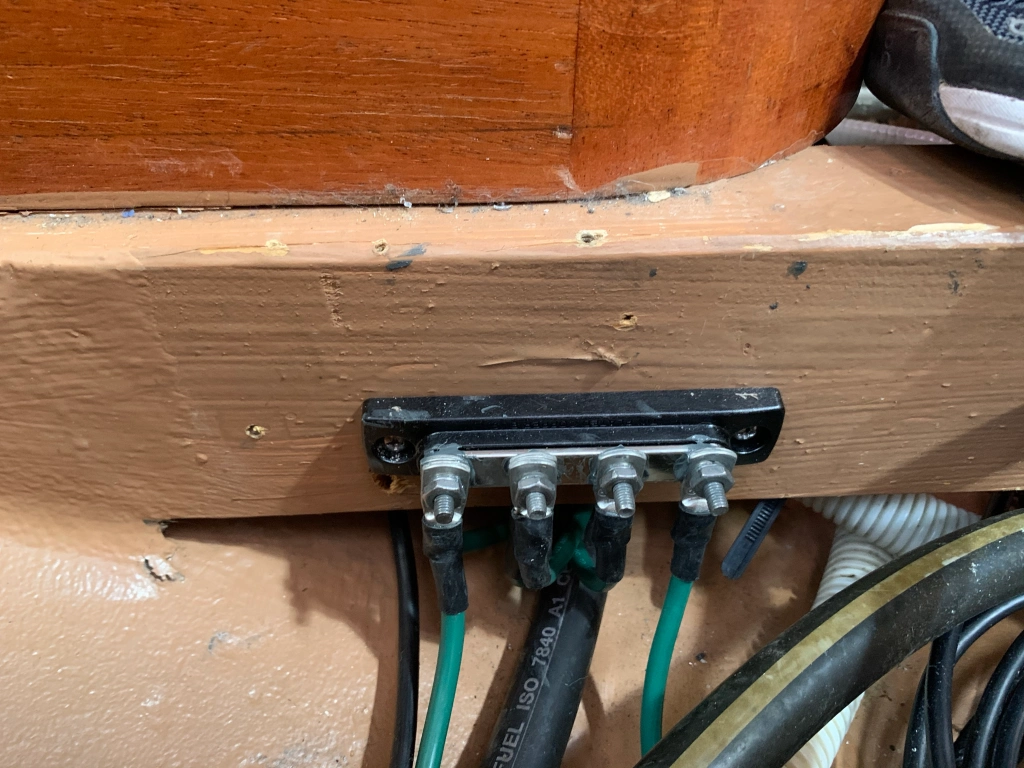
- Install interconnected bus bars around the vessel’s bilge and machinery spaces for easy inspection
- Execution
- Attach bonding wires directly to each fitting and to the central sacrificial anode
- For moving parts, install shaft brushes or slip rings for continuous connection
- Separate bonded items by group (bronze, stainless, etc.) if manufacturer guidelines recommend isolation
- Tie the central bonding bus to AC safety ground system and DC negative only at a single point as per ABYC standards
- Final Testing and Documentation
Best Practices for Can You Upgrade Your Boat’s Entire Bonding System in 2025
- Completely upgrade the system every five years or after major hull or equipment replacements
- Apply waterproof sealant and corrosion inhibitors to every connection during installation
- Schedule annual professional bonding and electrical system inspections for trouble prevention
- Map the entire network digitally for easier troubleshooting and service
- Always follow ABYC and manufacturer guidelines for wire sizing, connection locations, and system integration
Common Mistakes to Avoid When Using Can You Upgrade Your Boat’s Entire Bonding System
- Mixing B- return wiring with bonding wiring, violating code and risking accelerated corrosion
- Failing to clean and seal connection points, resulting in high-resistance failures
- Using undersized, untinned, or poorly crimped wires prone to corrosion
- Not regularly testing system continuity and resistance as connections age
- Ignoring differences in metal groups—incorrect linking can harm aluminum and accelerate galvanic loss
FAQs About Can You Upgrade Your Boat’s Entire Bonding System
Is it possible to replace my boat’s entire bonding system myself?
Yes, with basic electrical skills, correct materials, and a wiring map, most owners can upgrade or replace bonding networks.
How often should bonding systems be inspected or replaced?
Annually for inspections, with full replacement or major upgrades every five years, or when corrosion or electrical faults occur.
Can upgrading bonding systems improve insurance terms or resale value?
Documented upgrades improve vessel value and can ease claim approvals, as insurers appreciate well-maintained corrosion protection.
What are common symptoms of a failing bonding system?
Mixed voltages, persistent corrosion, electrical shock, tripped breakers, and isolated metal pitting suggest bonding problems.
Do bonding system upgrades always involve replacing anodes?
Yes, new or additional anodes are required when integrating all metals into the new system per manufacturer guidelines.
Conclusion
You can upgrade your boat’s entire bonding system for superior corrosion protection, electrical safety, and peace of mind. Modern systems use tinned copper wiring, waterproof connections, and robust layouts for both AC and DC protection. For step-by-step guidance and mapping tools, visit our website.
