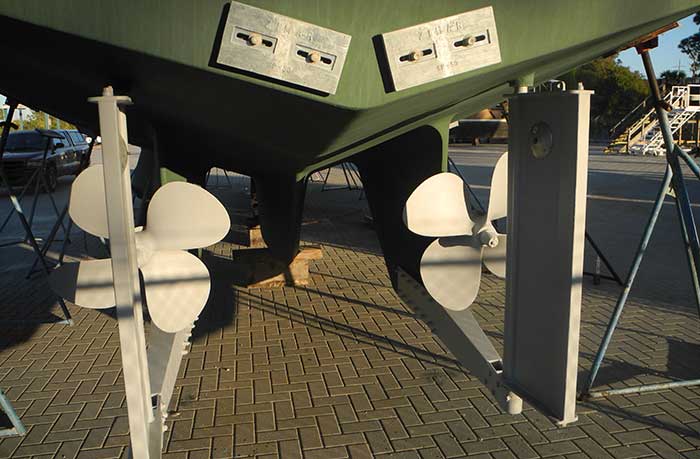
Imagine a zinc anode that lasts twice as long and tells you when it’s time for replacement—this is no longer science fiction in 2025. New zinc anode technologies for 2025: smarter, longer-lasting protection are reshaping how boats, energy storage systems, and industrial equipment defend themselves against corrosion. This guide explores the latest breakthroughs in new zinc anode technologies for 2025, dives into real-world benefits, and provides actionable advice on how to select and install the smartest anode solutions available.
What is New Zinc Anode Technologies for 2025: Smarter, Longer-Lasting Protection and Why is it Important?
New zinc anode technologies for 2025: smarter, longer-lasting protection refers to cutting-edge advances in materials, design, and smart coatings that address historic weaknesses like dendrite formation, passivation, and inefficient corrosion rates. Scientists have developed innovative nanoscale coatings—such as zinc-bonded polyacrylic acid films—which dramatically increase anode lifespan and reduce unwanted chemical reactions without sacrificing zinc-ion movement. AI-driven research is even enabling the rapid discovery of organic molecule additives and electrolyte blends that make zinc anodes more stable, reversible, and resistant to damage in marine and battery applications.
These technologies offer longer service lives (over 2,000 hours in lab tests for coated zinc), improved performance under heavy use, and compatibility with smart monitoring devices. The global electrolytic zinc anode market alone is valued at $12.26 billion for 2025, with steady growth driven by the need for corrosion protection and more durable anode solutions across industries. Understanding new zinc anode technologies for 2025: smarter, longer-lasting protection means better safety, fewer replacements, and more reliable operation for every boater and facility manager.
Key Benefits of New Zinc Anode Technologies for 2025: Smarter, Longer-Lasting Protection
- Dramatically extended service life—coatings and additives allow zinc anodes to last 2–5x longer than standard models
- Consistent corrosion protection due to improved surface uniformity and less dendrite formation
- Smarter monitoring compatibility with sensors to track wear and predict replacement points
- Enhanced eco-friendliness—lower metal loss means less pollution and fewer heavy metal emissions
- Applicable across marine, industrial, and energy storage sectors for versatile, scalable corrosion protection
How to Use New Zinc Anode Technologies for 2025: Smarter, Longer-Lasting Protection Effectively
Selecting and Installing Smart Zinc Anodes
- Choose nanoscale-coated zinc anodes for highest durability; look for certified products backed by lab data (e.g., ZHP coatings)
- Opt for AI-screened electrolyte additives that minimize passivation and side reactions in battery or specialty applications
- Use multi-layered anodes with gradient coatings—for example, gelatinized starch film over conductive zincophilic carbon for extended cycles
- Integrate with smart monitoring systems to automatically log anode depletion and signal necessary replacement
- Consult manufacturer installation guides for correct placement and electrical contact—new designs may have different attachment requirements
Best Practices for New Zinc Anode Technologies for 2025: Smarter, Longer-Lasting Protection
- Verify compatibility with your water type and application—different alloys and coatings work best in salt, brackish, or freshwater environments
- Schedule regular digital monitoring and manual inspections, even for “smart” anodes with extended service lives
- Record all replacements, test results, and sensor data for warranty, insurance, and environmental compliance
- Bundle upgrades with vessel or equipment refits for optimal long-term protection
- Stay current on trends—follow industry news and manufacturer updates for new product releases and peer-reviewed lab results
Common Mistakes to Avoid When Using New Zinc Anode Technologies for 2025: Smarter, Longer-Lasting Protection
- Installing generic zinc anodes while ignoring new coatings or alloy improvements
- Assuming longer life means “set and forget”—consistent monitoring is still required, especially under harsh conditions
- Mixing different anode types without ensuring compatibility—can reduce performance and create unpredictable corrosion
- Skipping manufacturer install and testing protocols—new designs may need calibrated tools or unique fitments
- Neglecting eco-compliance—certain regions regulate allowable anode materials and demand documentation of replacements and environmental effects
FAQs About New Zinc Anode Technologies for 2025: Smarter, Longer-Lasting Protection
What’s the main breakthrough in zinc anodes for 2025?
Nanoscale polymer coatings and AI-driven electrolyte blends now extend life and reduce dendrite and passivation issues.
How much longer do new zinc anodes last?
Coated and smart anodes can last 2–5 times longer than conventional types, with over 2,000+ operational hours in lab settings.
Do I need special tools to install new zinc anode technologies?
Some require calibrated torque, special bonding, or software for sensor integration—follow manufacturer guidance.
Are smart zinc anodes worth the extra cost?
Yes, for frequent use, harsh environments, or high-value assets—lower replacement frequency means significant lifetime savings.
Where can I buy advanced zinc anodes in 2025?
Check with leading marine suppliers, battery manufacturers, and innovation-focused brands; verify product certifications and lab data before purchase.
Conclusion
New zinc anode technologies for 2025: smarter, longer-lasting protection offer advanced performance, better monitoring, and eco-friendly peace of mind for boaters and industrial users alike. Early adoption means fewer replacements, lower costs, and higher reliability. For detailed technical specs, digital monitoring setups, and the latest proven products, visit our website.
