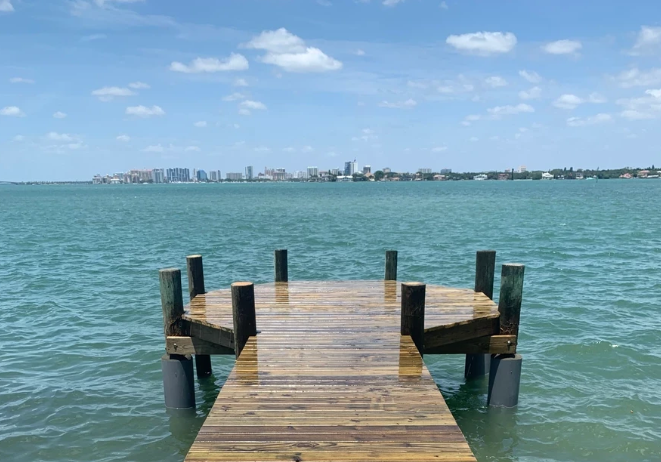
Your dock relies on strong, stable pilings to remain safe and functional. Unfortunately, dock pilings are constantly exposed to water, tides, marine organisms, and weather, making them vulnerable to gradual damage. Recognizing dock piling repair signs early can help you avoid costly structural failures and unexpected dock closures.
This guide highlights the most common warning signs that indicate when dock pilings need repair or full replacement. Whether you own a private dock or manage a commercial waterfront structure, understanding these dock piling repair signs will help you make timely, informed decisions.
Why Recognizing Dock Piling Repair Signs Early Matters
Ignoring dock piling repair signs allows minor damage to escalate into serious structural problems. Damaged pilings compromise dock stability, increase safety risks, and can result in expensive emergency repairs.
- Prevents sudden dock failure
- Reduces long-term repair costs
- Protects boats, property, and people
- Extends the overall life of your dock
Routine dock piling inspections are essential for catching these issues before they become critical.
Visible Cracks and Splitting in Dock Pilings
One of the most obvious dock piling repair signs is visible cracking or splitting. This is especially common in wooden pilings exposed to prolonged moisture and sun exposure.
- Vertical cracks may indicate drying and aging
- Deep splits can weaken load-bearing capacity
- Widening cracks often worsen rapidly
Small surface cracks may be repairable, but deep structural splits often signal the need for dock piling replacement.
Excessive Marine Growth Buildup
While some marine growth is expected, excessive buildup is a major dock piling repair sign. Barnacles, algae, and mussels add weight and trap moisture against piling surfaces.
Unchecked marine growth can:
- Accelerate wood rot
- Promote corrosion on steel pilings
- Hide cracks and structural damage
The Environmental Protection Agency emphasizes using safe, environmentally responsible methods to manage marine growth during dock maintenance.
Soft Spots, Rot, or Material Loss
Soft or crumbling areas are serious dock piling repair signs that should never be ignored. These areas indicate internal decay or material failure.
| Piling Material | Common Damage Indicator | Recommended Action |
| Wood | Soft spots, spongy texture | Repair or replace depending on severity |
| Concrete | Spalling, exposed rebar | Structural repair or replacement |
| Steel | Rust flakes, thinning metal | Protective treatment or replacement |
If material loss affects load-bearing sections, replacement is often the safest solution.
Leaning or Shifting Dock Pilings
Dock pilings should remain vertical and stable. Leaning or shifting pilings are clear dock piling repair signs that indicate foundation or seabed issues.
- Scouring around the base of pilings
- Storm or wave impact damage
- Weakened piling materials
Shifting pilings compromise the entire dock structure and should be inspected immediately.
Corroded or Failing Hardware
Bolts, brackets, and connectors attached to pilings play a critical role in dock stability. Corroded hardware is often an early dock piling repair sign.
- Rust stains around fasteners
- Loose or missing bolts
- Cracked or warped brackets
According to BoatUS, failing hardware can cause docks to shift or collapse even if pilings appear intact.
Unusual Dock Movement or Instability
If your dock feels unstable, bounces excessively, or shifts under normal use, it’s a strong indicator of underlying piling issues.
Dock movement may be caused by:
- Internal piling decay
- Loose connections
- Foundation erosion
These dock piling repair signs require immediate attention to prevent injury or structural failure.
When Dock Piling Repair Is No Longer Enough
In some cases, repairs can no longer restore piling integrity. Replacement may be the safest and most cost-effective option when:
- Damage extends below the waterline
- Multiple pilings show advanced deterioration
- Structural capacity is compromised
- The dock no longer meets safety standards
A professional underwater inspection can determine whether repair or replacement is the best solution.
FAQs About Dock Piling Repair and Replacement
How often should dock pilings be inspected?
Dock pilings should be inspected at least once a year, with additional checks after major storms or heavy use.
Can damaged dock pilings be repaired underwater?
Some repairs can be performed underwater, but severe damage usually requires piling replacement.
What causes dock pilings to fail prematurely?
Marine growth, water exposure, corrosion, poor maintenance, and environmental conditions are the most common causes.
Is piling replacement more expensive than repair?
Replacement has a higher upfront cost, but repeated repairs can be more expensive over time if structural issues persist.
Conclusion: Don’t Ignore Dock Piling Repair Signs
Recognizing dock piling repair signs early is essential to maintaining a safe, stable, and long-lasting dock. Cracks, excessive marine growth, soft spots, corrosion, and instability all signal the need for immediate action.
Addressing these warning signs promptly helps protect your dock, your vessels, and everyone who uses your waterfront structure. Routine inspections and proactive maintenance are the best defenses against unexpected failures.
If you notice any of these signs, it’s best to contact us for professional service. We also provide expert services such as Hull Cleaning, Cavitation Cleaning, Zinc Replacement, Underwater Inspections, and Wash & Detailing to keep your entire marine asset protected and performing at its best.
