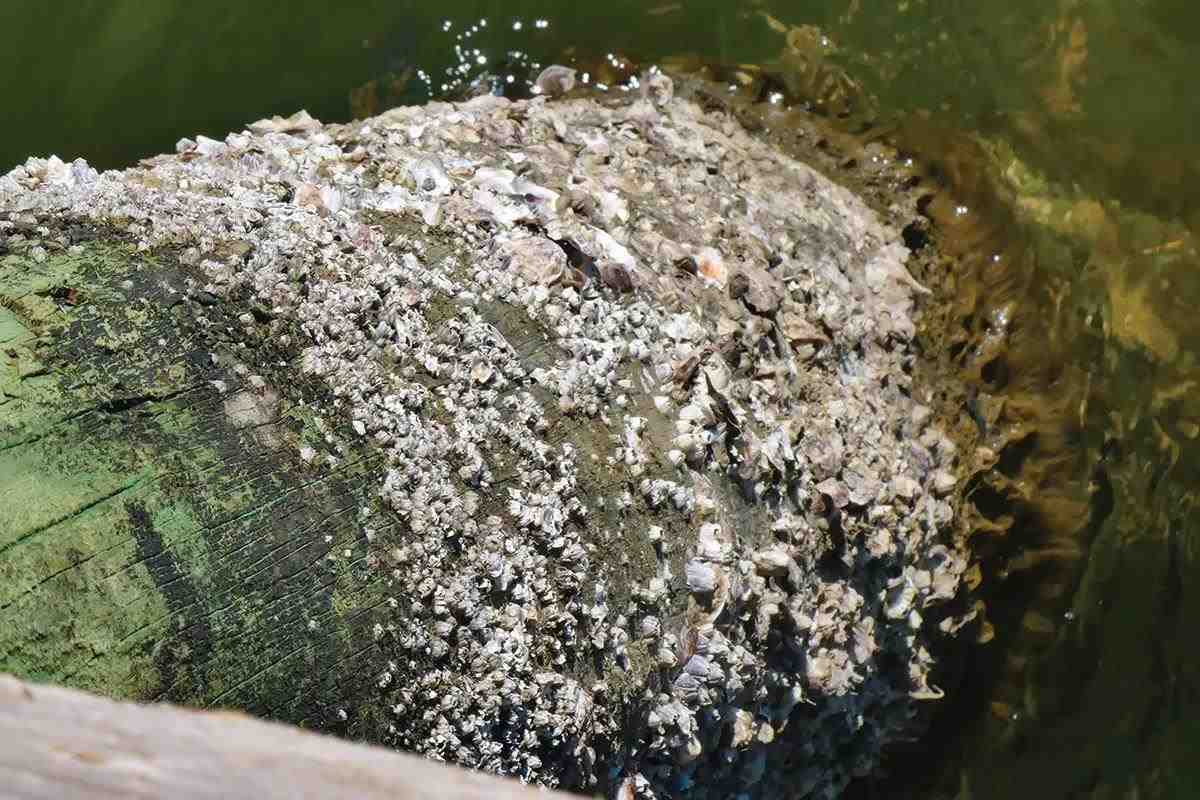
An underwater dock piling inspection is one of the most critical yet often overlooked aspects of dock maintenance. While above-water damage is easy to spot, the most serious structural issues typically begin below the waterline. Constant exposure to marine growth, corrosion, wood-boring organisms, and tidal movement can weaken dock pilings without visible warning signs.
Regular underwater dock piling inspection helps property owners, boaters, and marina managers identify hidden problems early, avoid costly repairs, and ensure long-term dock safety. This guide explains proven inspection techniques, how often inspections should be performed, and when professional underwater services are essential.
Why Underwater Dock Piling Inspection Is Essential
Dock pilings support the entire dock structure, and any failure below the surface can compromise stability above it. An underwater dock piling inspection provides a clear assessment of structural health that surface-level checks simply cannot offer.
- Detects hidden cracks, rot, and corrosion
- Identifies marine growth buildup affecting integrity
- Prevents sudden dock failure or collapse
- Ensures compliance with marina and safety standards
- Extends the overall lifespan of dock pilings
Ignoring underwater inspections can allow small problems to escalate into major structural hazards.
Common Issues Found During Underwater Dock Piling Inspections
An underwater dock piling inspection often reveals damage that is not visible from above the waterline.
| Issue | Description | Potential Impact |
| Marine growth buildup | Barnacles, algae, mussels, and seaweed | Adds weight and traps moisture |
| Wood rot | Decay caused by prolonged moisture exposure | Weakens structural strength |
| Concrete spalling | Surface cracking and erosion | Reduces load-bearing capacity |
| Steel corrosion | Rust and material loss | Compromises piling stability |
| Marine borers | Organisms that tunnel into wood | Internal damage not visible externally |
Underwater Dock Piling Inspection Techniques
Several techniques are used during an underwater dock piling inspection, depending on water depth, visibility, and piling material.
1. Visual Diver Inspection
Trained divers visually inspect pilings using underwater lighting and cameras. This method allows for close-up evaluation of cracks, corrosion, and marine growth.
2. Manual Probing
Divers use tools to gently probe wood pilings, checking for soft spots or internal decay caused by rot or marine borers.
3. Marine Growth Removal for Inspection
In some cases, light cleaning is performed to expose the piling surface and accurately assess its condition.
4. Measurement and Documentation
Measurements of damage depth, corrosion loss, or cracks are recorded and often documented with photos or video.
5. Structural Movement Testing
Inspectors may apply controlled pressure to evaluate piling stability and detect abnormal movement.
How Often Should Underwater Dock Piling Inspections Be Performed?
The frequency of underwater dock piling inspection depends on environmental conditions, dock usage, and piling material.
- Saltwater docks: every 12 months
- High marine growth areas: every 6–9 months
- After storms or hurricanes: immediate inspection recommended
- Freshwater docks: every 1–2 years
According to BoatUS, regular inspections significantly reduce long-term repair costs by catching damage early.
Signs You Should Schedule an Underwater Dock Piling Inspection Immediately
Certain warning signs indicate that an underwater dock piling inspection should not be delayed.
- Visible cracking or leaning pilings
- Excessive marine growth near the waterline
- Loose dock boards or unstable sections
- Unexplained dock movement or shifting
- Post-storm or high-impact weather events
DIY Inspection vs. Professional Underwater Dock Piling Inspection
While dock owners can perform basic surface checks, a full underwater dock piling inspection requires specialized skills and equipment.
| Aspect | DIY Inspection | Professional Inspection |
| Below-water visibility | Limited | Clear and thorough |
| Safety | Higher risk | Professionally managed |
| Accuracy | Basic | Detailed assessment |
| Documentation | Minimal | Photos and inspection reports |
Professional inspections provide reliable data needed for maintenance planning and insurance or marina compliance.
Environmental and Safety Considerations
Underwater dock piling inspections must comply with environmental guidelines to protect marine ecosystems. Improper handling of marine growth or damaged materials can disrupt habitats.
The Environmental Protection Agency offers guidance on environmentally responsible marine maintenance practices.
FAQs About Underwater Dock Piling Inspection
How long does an underwater dock piling inspection take?
Most inspections take 1–3 hours depending on dock size, number of pilings, and water conditions.
Is underwater inspection required for insurance purposes?
Some insurers and marinas require periodic underwater inspections, especially for commercial docks.
Can inspections detect internal damage?
Yes. Probing and professional assessment can identify internal rot or corrosion not visible externally.
Do inspections include cleaning?
Basic inspections may include limited cleaning to expose surfaces, but full cleaning is typically a separate service.
Conclusion
A routine underwater dock piling inspection is essential for maintaining dock safety, structural integrity, and long-term value. By using proven inspection techniques and following recommended inspection frequency guidelines, dock owners can prevent hidden damage from becoming costly repairs. Early detection protects both your dock and the people who rely on it.
If you want professional support, contact us for expert underwater services — we provide Hull Cleaning, Cavitation Cleaning, Zinc Replacement, Underwater Inspections, and Wash & Detailing to keep your dock and marine assets in peak condition year-round.
