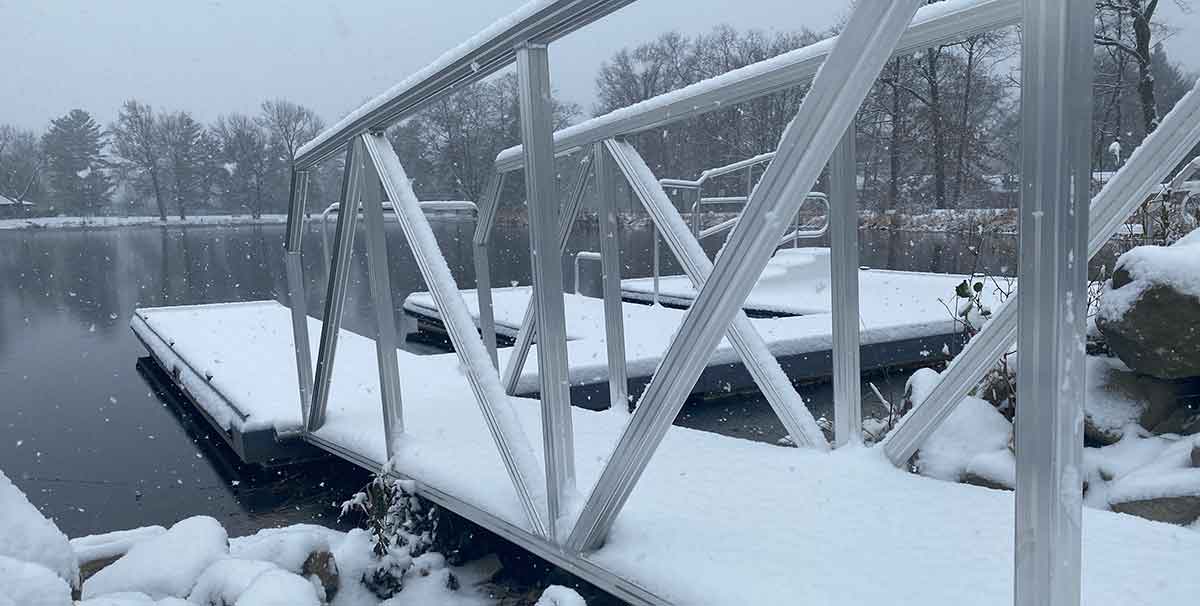
Seasonal changes can be tough on waterfront structures, especially docks exposed to fluctuating temperatures, ice, and harsh weather conditions. Winterizing dock pilings is a critical step for dock owners who want to prevent structural damage, extend dock lifespan, and avoid costly repairs when temperatures drop. Even in regions with mild winters, cold snaps and changing water levels can silently weaken dock pilings.
This guide explains why winterizing dock pilings matters, the steps involved in proper preparation, how often winter maintenance should be performed, and when professional services are the smarter choice.
Why Winterizing Dock Pilings Is Essential
Winterizing dock pilings protects the foundation of your dock during months when environmental stress is highest. Cold temperatures cause materials to contract, while ice movement and storm surges place additional pressure on pilings.
- Prevents cracking and splitting from freeze-thaw cycles
- Reduces ice abrasion and impact damage
- Protects against hidden underwater deterioration
- Extends the overall life of dock structures
- Minimizes springtime repair costs
Ignoring winter preparation often results in accelerated wear that may not become visible until significant damage has already occurred.
How Cold Weather Affects Dock Pilings
Dock piling winter preparation begins with understanding how cold conditions impact different materials.
| Piling Material | Cold Weather Risks | Winter Protection Focus |
| Wood | Cracking, rot, ice expansion | Sealing, inspections, marine growth removal |
| Concrete | Freeze-thaw cracking, surface spalling | Surface cleaning and crack monitoring |
| Steel | Corrosion acceleration | Protective coatings and inspections |
| Composite | Surface wear, ice abrasion | Cleaning and structural checks |
Each piling type requires tailored winterizing strategies to maintain strength and stability.
Step-by-Step Guide to Winterizing Dock Pilings
1. Perform a Thorough Inspection
Start winterizing dock pilings by inspecting them above and below the waterline. Look for cracks, loose fasteners, excessive marine growth, and signs of material fatigue.
2. Remove Marine Growth
Barnacles, algae, and mussels trap moisture and accelerate deterioration during colder months. Cleaning pilings before winter reduces freeze-related stress.
3. Clean and Rinse Piling Surfaces
Use marine-safe cleaning methods to remove debris and residue. Avoid harsh chemicals that can damage piling materials or surrounding marine life.
4. Apply Protective Treatments
Sealants, wraps, or protective coatings help shield pilings from moisture infiltration and ice damage during winter months.
5. Secure Dock Hardware
Check brackets, bolts, and connectors attached to pilings. Tighten or replace corroded hardware to ensure dock stability through storms and cold weather.
6. Monitor Water Levels
Changing tides and winter storms can alter water levels, placing additional stress on pilings. Regular monitoring helps prevent unexpected structural strain.
How Often Should Dock Pilings Be Winterized?
Winterizing dock pilings should be performed annually before temperatures consistently drop. However, inspections should continue throughout winter in areas prone to freezing conditions or ice movement.
- Late fall: Full inspection and cleaning
- Early winter: Protective treatment application
- Mid-winter: Visual checks after storms
- Early spring: Post-winter inspection
The BoatUS Foundation recommends seasonal dock inspections to reduce long-term maintenance costs.
Common Winter Dock Maintenance Mistakes
Even experienced dock owners can make errors during dock piling winter preparation.
- Skipping underwater inspections
- Leaving marine growth untreated
- Using non-marine-grade sealants
- Ignoring minor cracks or movement
A structured winterizing dock pilings plan helps prevent these costly mistakes.
When to Hire Professionals for Winter Dock Preparation
While basic maintenance can be handled by dock owners, professional services are recommended for:
- Heavy marine growth or barnacle infestations
- Older or damaged dock pilings
- Commercial docks or marinas
- Underwater inspections requiring specialized equipment
Professionals use safe, compliant methods to prepare dock pilings for winter without causing damage or environmental harm. Guidance from the Environmental Protection Agency emphasizes environmentally responsible waterfront maintenance.
FAQs About Winterizing Dock Pilings
Is winterizing dock pilings necessary in warm climates?
Yes. Even mild winters can bring cold snaps, storms, and water level changes that stress dock pilings.
Can ice damage dock pilings?
Yes. Ice expansion and movement can crack, shift, or abrade piling surfaces.
Does winterizing prevent all dock damage?
While no method eliminates risk entirely, winterizing dock pilings significantly reduces damage and repair costs.
What is the most important winter preparation step?
Removing marine growth and inspecting underwater sections are the most critical steps.
Conclusion
Proper winterizing dock pilings is one of the most effective ways to protect your dock from cold weather stress, ice damage, and seasonal deterioration. By inspecting pilings, removing marine growth, applying protective treatments, and monitoring conditions throughout winter, dock owners can extend dock life and avoid costly repairs.
For expert winter dock preparation, contact us — we provide professional services like Hull Cleaning, Cavitation Cleaning, Zinc Replacement, Underwater Inspections, and Wash & Detailing to keep your dock protected year-round with confidence.
