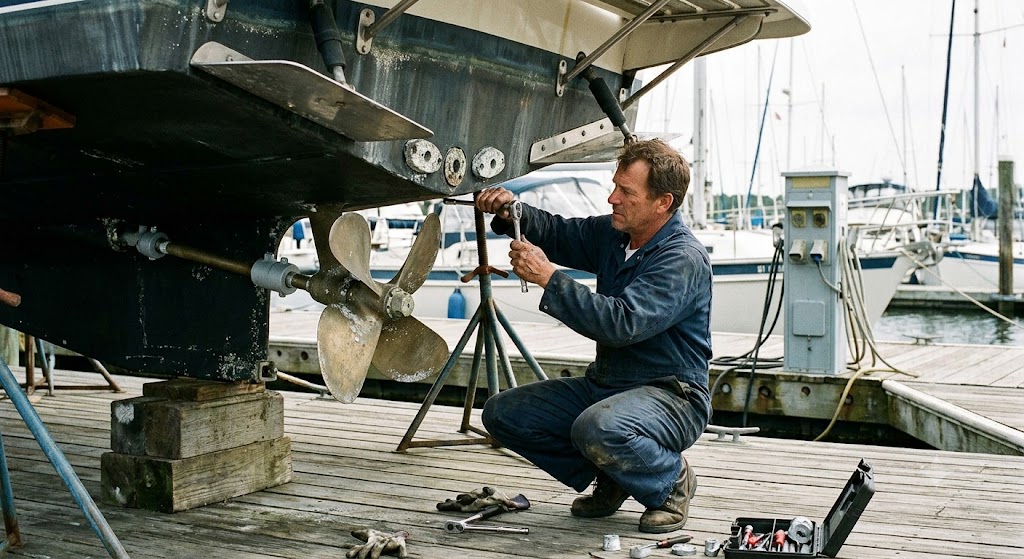
Corrosion is one of the most expensive yet preventable problems boat owners face. Whether your vessel spends its time in a private slip, a busy marina, or on a mooring, underwater metals are constantly exposed to electrical and chemical forces that gradually eat away at valuable components. Many owners assume replacing zincs is enough, while others believe installing a galvanic isolator solves every problem. In reality, both systems serve different purposes, and understanding galvanic isolators vs sacrificial anodes is essential for protecting your investment.
A complete corrosion prevention strategy combines proper electrical protection, regular underwater inspections, and timely maintenance. Knowing how these systems work together helps reduce repair costs, extend equipment life, and keep your boat ready for every voyage.
Galvanic Isolators vs. Sacrificial Anodes: What’s the Difference?
Galvanic isolators and sacrificial anodes protect boats from different types of corrosion. A galvanic isolator blocks low-voltage galvanic currents entering through shore power, while sacrificial anodes intentionally corrode first to protect underwater metals such as propellers, shafts, trim tabs, and rudders. Most boats connected to shore power benefit from using both systems together.
Although both contribute to corrosion protection, they address separate electrical processes. Confusing one for the other often leaves vessels vulnerable to hidden damage.
Understanding Galvanic Corrosion
Galvanic corrosion occurs whenever two dissimilar metals are electrically connected while immersed in an electrolyte such as seawater. One metal becomes the anode and corrodes faster, while the other becomes the cathode and remains protected.
Common underwater metals include:
- Bronze propellers
- Stainless steel shafts
- Aluminum trim tabs
- Bow thrusters
- Rudders
- Seacocks
Without adequate protection, these components slowly deteriorate over time. The American Boat & Yacht Council (ABYC) provides internationally recognized standards for marine electrical systems designed to reduce corrosion risks.
What Does a Galvanic Isolator Do?
A marine galvanic isolation system is installed in the vessel’s shore power grounding conductor. It blocks low-voltage galvanic currents that can travel through marina electrical grounding systems while still allowing fault currents to pass safely during electrical emergencies.
This protection is especially valuable in marinas where multiple boats share interconnected shore power systems.
Benefits of a Galvanic Isolator
- Reduces shore power corrosion
- Protects underwater metals from neighboring boats
- Helps slow zinc consumption
- Improves long-term corrosion protection
- Maintains electrical safety compliance when properly installed
Manufacturers such as Victron Energy provide galvanic isolators specifically designed for marine electrical systems.
How Sacrificial Anodes Protect Your Boat
Sacrificial anodes—commonly called zincs—protect underwater metals by intentionally corroding before more valuable components do. Instead of allowing corrosion to attack expensive propulsion equipment, the anodes gradually deteriorate and are replaced during routine maintenance.
Professional Zinc Replacement ensures depleted anodes are replaced before they lose their protective capacity.
Common Sacrificial Anode Materials
- Zinc for traditional saltwater applications
- Aluminum for saltwater and brackish environments
- Magnesium for freshwater use
Selecting the correct material depends on the water where the vessel operates.
What Causes Rapid Zinc Depletion?
Zinc depletion causes vary considerably. While normal wear is expected, unusually rapid anode loss often indicates underlying electrical issues that should be investigated promptly.
Common causes include:
- Continuous shore power connection
- Faulty marina wiring
- Nearby vessels with electrical faults
- Improper bonding systems
- Stray electrical currents
- Incorrect anode material selection
If your anodes disappear much faster than expected, scheduling a professional Underwater Inspection can help identify corrosion damage before expensive repairs become necessary.
Stray Current Corrosion vs. Galvanic Corrosion
Many boat owners confuse galvanic corrosion with stray current corrosion, but they are very different problems.
| Galvanic Corrosion | Stray Current Corrosion |
|---|---|
| Natural electrochemical process | Caused by electrical faults |
| Occurs slowly | Can destroy metals rapidly |
| Controlled by anodes and isolators | Requires electrical fault diagnosis |
| Common in marinas | Often caused by damaged wiring |
Proper stray current protection requires immediate investigation whenever unusual corrosion or electrical problems appear.
The U.S. Coast Guard Boating Safety Division recommends maintaining marine electrical systems to reduce safety risks associated with faulty wiring.
Signs Your Boat May Have Corrosion Problems
- Anodes disappearing unusually quickly
- Pitting on propellers or shafts
- Discolored underwater metals
- Corrosion around trim tabs
- Damaged bonding wires
- Visible deterioration during haul-outs
Routine Hull Cleaning often provides the first opportunity to detect these warning signs before they worsen.
Why Professional Underwater Maintenance Matters
Corrosion rarely develops in isolation. Marine growth, damaged coatings, depleted anodes, and underwater debris all contribute to long-term deterioration.
Professional maintenance helps boat owners by:
- Replacing worn sacrificial anodes
- Inspecting underwater metals
- Checking propellers and shafts
- Identifying corrosion early
- Removing marine growth safely
- Documenting equipment condition over time
For stubborn marine growth on underwater running gear, professional Cavitation Cleaning restores efficiency without damaging sensitive metal surfaces.
Common Mistakes Boat Owners Make
- Waiting until zincs are completely gone before replacing them.
- Assuming a galvanic isolator eliminates the need for sacrificial anodes.
- Ignoring unusually rapid zinc depletion.
- Using the wrong anode material for local water conditions.
- Skipping underwater inspections between haul-outs.
- Overlooking marina electrical issues that contribute to corrosion.
Frequently Asked Questions
Do I need both a galvanic isolator and sacrificial anodes?
Yes. A galvanic isolator protects against low-voltage galvanic currents entering through shore power, while sacrificial anodes protect underwater metals by corroding before valuable components. They work together rather than replacing one another.
Why are my zinc anodes disappearing so quickly?
Rapid anode loss may result from faulty marina wiring, stray electrical currents, continuous shore power connection, improper bonding, or selecting the wrong anode material for your operating environment.
Can a galvanic isolator stop stray current corrosion?
No. Galvanic isolators help block low-voltage galvanic currents but do not eliminate stray current corrosion caused by electrical faults. Those issues require proper diagnosis and repair.
How often should sacrificial anodes be inspected?
Anodes should be inspected regularly, particularly for boats kept in the water year-round. Inspection frequency depends on water conditions, marina electrical activity, and vessel usage.
Can underwater inspections detect corrosion problems?
Yes. Professional underwater inspections identify depleted anodes, corrosion, damaged coatings, marine growth, and other issues before they lead to costly repairs.
Looking for more practical boating maintenance advice? Visit our blog for additional expert guides and underwater service insights.
Conclusion
Understanding galvanic isolators vs sacrificial anodes is essential for protecting your boat against corrosion. While galvanic isolators reduce shore power corrosion and sacrificial anodes absorb natural electrochemical damage, neither system replaces the other. Combined with regular inspections, underwater cleaning, and timely zinc replacement, they form a complete strategy for preserving your vessel’s performance, reliability, and long-term value.
Ready to protect your vessel?
If you need expert help with this, our team of certified divers and marine technicians is ready to step in. Learn more about our specific services here.
Prefer to speak with an expert immediately? Contact us today to schedule a service or get a free quote!
