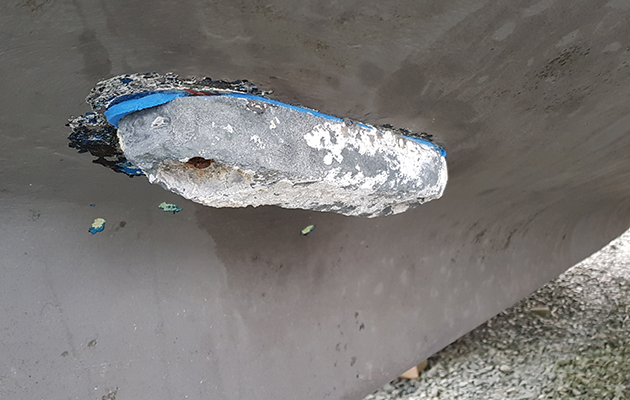
Zinc anodes are critical for protecting boats and infrastructure, but what happens when it’s time to throw them away? The environmental impact of disposing old zinc anodes is far greater than many realize. Disposing of these heavy metal components incorrectly can contribute to water pollution, hazardous waste accumulation, and ecosystem toxicity. This article explores the environmental impact of disposing old zinc anodes, why responsible disposal matters, best practices for 2025, and how you can minimize your environmental footprint while maintaining corrosion protection.
What is Environmental Impact of Disposing Old Zinc Anodes and Why is it Important?
The environmental impact of disposing old zinc anodes refers to the effects these waste materials have on soil, water, and living organisms when not managed properly. Zinc anodes, also known as sacrificial anodes, corrode over time to protect metal structures, eventually becoming “spent” and requiring replacement. When discarded without precautions, these anodes introduce zinc and trace impurities (like cadmium) into the environment. High zinc levels in soils and aquatic systems can overwhelm natural balance, threatening plant, animal, and even human health.
Globally, thousands of tons of zinc anodes are replaced annually in marine, industrial, and infrastructure applications. Data shows that chronic zinc concentrations exceeding 70ppm in water can be classified as hazardous by the US EPA. Aquatic contamination hotspots are especially noted near harbors, shipyards, and urban runoff zones. Thus, understanding and reducing the environmental impact of disposing old zinc anodes is crucial for sustainable boating and marine operations.
Key Benefits of Environmental Impact of Disposing Old Zinc Anodes
- Reduces aquatic and soil contamination from heavy metals.
- Helps protect wildlife and aquatic life by controlling zinc exposure.
- Supports regulatory compliance and avoids costly fines for improper hazardous waste handling.
- Protects human health by minimizing zinc bioaccumulation in food chains.
- Promotes responsible, eco-friendly boating and industrial practices.
How to Use Environmental Impact of Disposing Old Zinc Anodes Effectively
Here’s how you can minimize the environmental impact of disposing old zinc anodes:
- Determine Hazardous Waste Status: Check local regulations regarding zinc anode disposal; some regions classify high-zinc waste as hazardous.
- Sort and Collect Spent Anodes: Gather all old zinc anodes during regular maintenance and cleaning operations.
- Recycle Where Possible: Zinc is a valuable material and can often be recycled as scrap metal, reducing landfill burden and reducing mining impacts.
- Use Certified Disposal Facilities: When recycling isn’t available, dispose of zinc anodes through facilities equipped to handle heavy metal waste in accordance with environmental guidelines.
- Log and Track Disposal: Maintain a disposal record for your vessel or organization, which may be required by law and helps measure your ecological impact.
- Educate Crew and Staff: Ensure everyone handling zinc anodes knows the potential hazards and correct procedures for disposal.
Best Practices for Environmental Impact of Disposing Old Zinc Anodes in 2025
- Recycle all spent zinc anodes through reputable scrap dealers or recycling programs.
- Avoid disposing of anodes in standard waste streams or landfill where leaching can occur.
- Check with local marinas, boatyards, or environmental agencies for take-back programs, which are becoming more widespread.
- Implement a “zero overboard” policy—never toss spent anodes into the water, as even small amounts can accumulate in sediment and harm aquatic life.
- Validate that new anodes are low in toxic impurities such as cadmium, which magnifies environmental impacts when released.
- Stay updated on evolving regulations—environmental limits on zinc waste are expected to become stricter in coming years.
Common Mistakes to Avoid When Using Environmental Impact of Disposing Old Zinc Anodes
- Throwing spent zinc anodes in standard trash—this can lead to contamination of landfills, soils, and groundwater.
- Leaving old anodes on docks, beaches, or marinas—rainwater can leach zinc into the water, harming local ecosystems.
- Mixing zinc anodes with other metal waste—improper sorting can complicate recycling and increase landfill waste.
- Tossing zinc anodes overboard—anodes left in marine sediments release zinc and associated impurities into fragile benthic habitats.
- Ignoring local disposal regulations—this can result in fines and increased liabilities for both individuals and businesses.
FAQs About Environmental Impact of Disposing Old Zinc Anodes
Is zinc from old anodes really a pollution risk?
Yes—even though zinc is a trace element, its accumulation in high concentrations is toxic to aquatic and soil ecosystems.
Can old zinc anodes be recycled?
Absolutely. Many scrap metal recyclers accept them. Recycling prevents waste, recovers resources, and minimizes environmental risk.
What are the risks if anodes contain cadmium?
Anodes with cadmium or other impurities pose greater toxicity. Choose low-cadmium products to limit environmental harm.
Do small numbers of disposed anodes matter?
Yes—even a few anodes contribute cumulatively, especially in busy marine environments or where sediment and soil retention occurs.
Will environmental regulations get stricter?
Trends indicate tightening rules on heavy metal disposal. Staying ahead with best practices can help you remain compliant.
Conclusion
Disposing of old zinc anodes responsibly is a vital step toward protecting ecosystems and meeting evolving environmental standards. By recycling, following hazardous waste rules, and choosing low-toxicity products, you can minimize the environmental impact of disposing old zinc anodes. For a step-by-step guide on proper zinc anode disposal, see our website.
