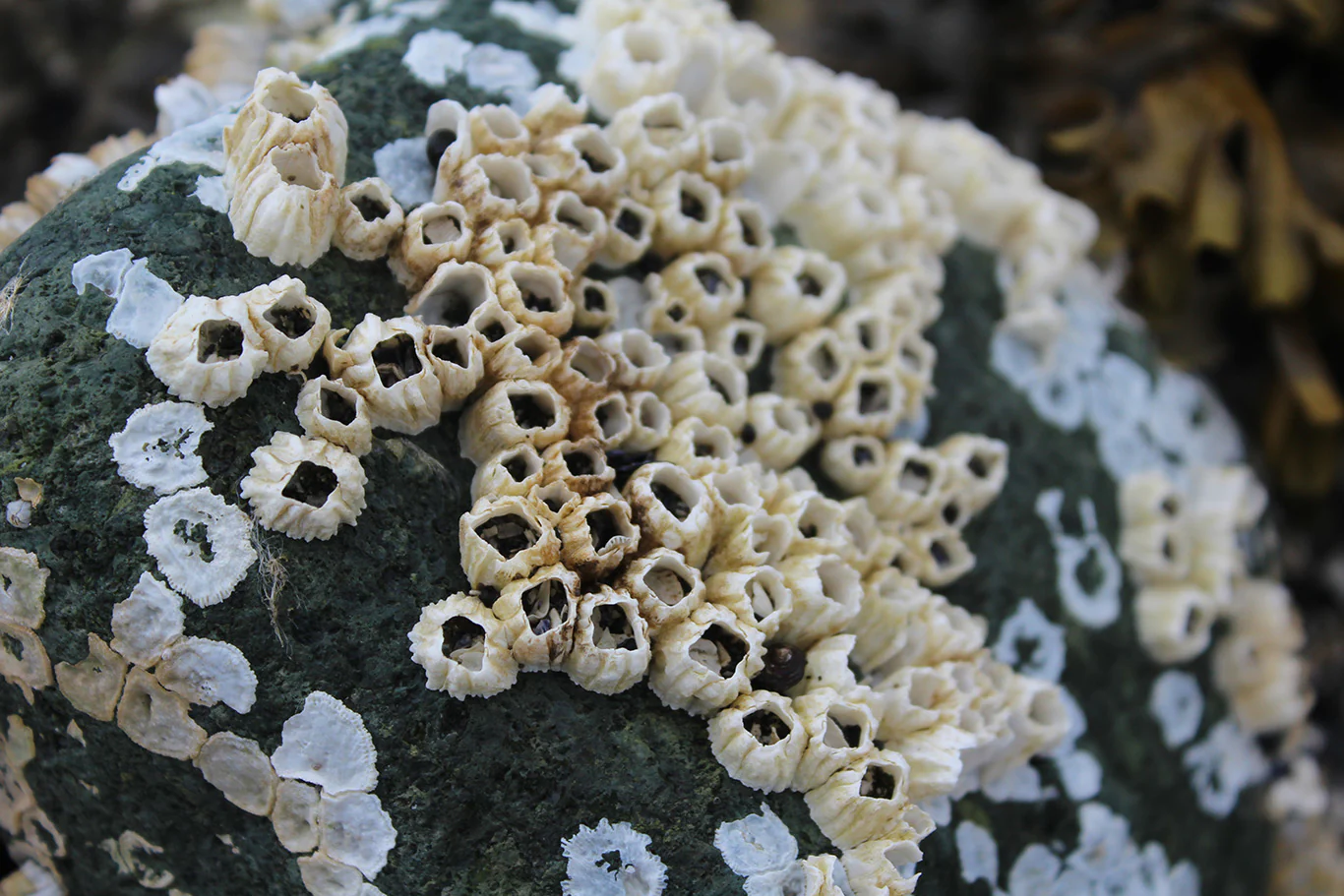
Knowing how often to clean dock pilings is one of the most important responsibilities for dock owners and waterfront property managers. Dock pilings are constantly exposed to harsh marine environments where barnacles, algae, mussels, and other marine growth attach quickly. Without regular cleaning, this buildup can compromise structural integrity, reduce dock lifespan, and create serious safety hazards.
This guide explains the ideal cleaning frequency for dock pilings, the factors that influence how often maintenance is needed, and the risks of delaying care. Whether you own a private dock or manage a marina, understanding proper piling maintenance will help protect your investment for years to come.
Why It’s Important to Clean Dock Pilings Regularly
Regularly scheduling time to clean dock pilings prevents minor marine growth from becoming a major structural issue. Marine organisms trap moisture, add weight, and accelerate material degradation, especially in saltwater environments.
- Extends the lifespan of dock pilings
- Reduces costly repair or replacement needs
- Improves dock stability and safety
- Maintains a clean and professional dock appearance
- Prevents invasive marine species buildup
Consistent dock piling maintenance is far more affordable than emergency repairs caused by long-term neglect.
General Guidelines: How Often to Clean Dock Pilings
There is no universal schedule that fits every dock, but the following guidelines help determine how often you should clean dock pilings based on environment and usage.
| Environment | Recommended Cleaning Frequency | Reason |
| Saltwater (high growth areas) | Every 3–4 months | Rapid barnacle and algae accumulation |
| Saltwater (moderate growth) | Every 6 months | Seasonal marine activity |
| Brackish water | Every 6–9 months | Mixed growth conditions |
| Freshwater | Once per year | Lower marine organism density |
These timelines should be adjusted based on local water temperature, tidal flow, and dock usage.
Key Factors That Affect Dock Piling Cleaning Frequency
1. Water Type and Temperature
Warm, salty water encourages faster marine growth, meaning dock owners in coastal regions need to clean dock pilings more frequently than those in cooler or freshwater environments.
2. Dock Usage
High-traffic docks experience more turbulence and debris, which can increase marine growth attachment and require more frequent cleaning.
3. Piling Material
Wood pilings often require more frequent care than concrete or composite pilings due to their porous nature.
4. Protective Coatings
Pilings treated with marine-grade coatings or wraps may resist growth longer, extending the time between cleanings.
5. Environmental Conditions
Low water movement, poor circulation, and shaded areas promote faster buildup of algae and barnacles.
Signs It’s Time to Clean Dock Pilings
Even if you follow a schedule, visual inspection helps determine when dock piling cleaning is needed.
- Visible barnacles or thick algae layers
- Slippery piling surfaces
- Restricted water flow around pilings
- Discoloration or surface buildup
- Unpleasant odors near dock structures
If you notice any of these signs, it’s time to clean dock pilings before damage occurs.
Risks of Not Cleaning Dock Pilings Often Enough
Delaying piling maintenance can lead to serious consequences.
- Accelerated wood rot or concrete erosion
- Increased structural stress from marine growth weight
- Higher risk of piling cracks and failures
- More expensive repairs or full replacement
- Reduced dock safety for people and vessels
What begins as a cosmetic issue can quickly become a structural emergency.
DIY vs. Professional Dock Piling Cleaning Frequency
DIY cleaning may be sufficient for light growth, but professional services often allow dock owners to extend the time between cleanings by achieving deeper, more thorough results.
| Cleaning Method | Typical Frequency | Effectiveness |
| DIY hand scraping | More frequent | Surface-level removal |
| Pressure washing | Moderate | Risk of surface damage |
| Professional cavitation cleaning | Less frequent | Thorough and eco-friendly |
Professional underwater cleaning helps slow regrowth and protects piling materials.
FAQs About Dock Piling Cleaning Frequency
Can I over-clean dock pilings?
Yes. Excessive or aggressive cleaning can damage protective coatings or wood fibers, making pilings more vulnerable.
Does cleaning frequency affect dock lifespan?
Absolutely. Proper timing and technique significantly extend dock piling lifespan.
Is underwater cleaning necessary?
Yes. Most structural damage begins below the waterline, where marine growth is most aggressive.
Do seasons affect how often I should clean dock pilings?
Yes. Warmer months often require more frequent cleaning due to increased marine activity.
Conclusion
Understanding how often to clean dock pilings is key to preserving dock strength, safety, and appearance. While general guidelines provide a helpful starting point, environmental conditions, piling materials, and dock usage ultimately determine the ideal schedule. Regular inspections and timely cleaning prevent small problems from becoming costly repairs.
For reliable, professional results, contact us — we provide expert services including Hull Cleaning, Cavitation Cleaning, Zinc Replacement, Underwater Inspections, and Wash & Detailing to keep your dock and marine assets in peak condition.
