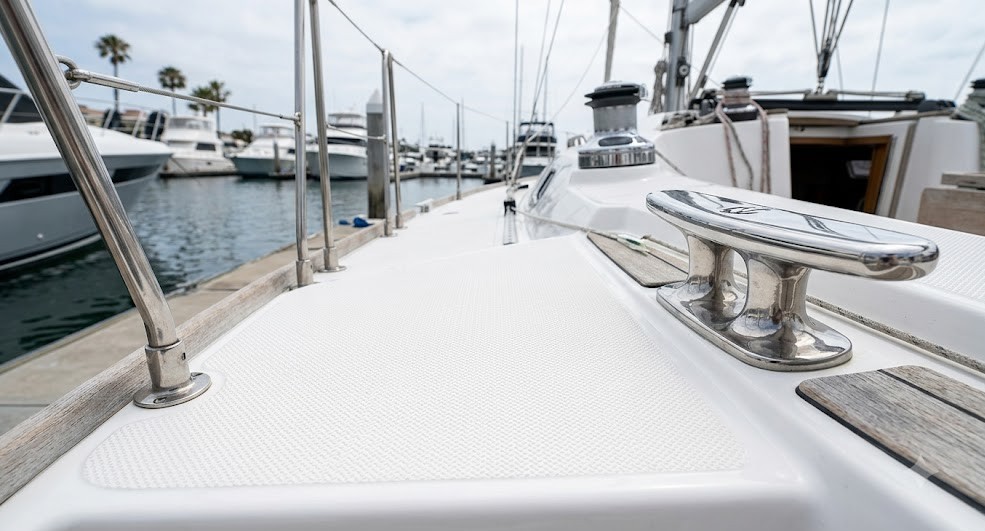
A clean boat deck does more than improve appearance—it plays a vital role in safety, longevity, and overall vessel value. Non-skid deck surfaces are specifically designed to provide traction in wet conditions, reducing the risk of slips and falls. However, their textured finish also makes them one of the hardest areas of a boat to clean effectively.
Dirt, salt, sunscreen, fish residue, mildew, oxidation, and airborne pollutants settle deep into the textured surface where ordinary washing often fails to remove them. Many boat owners respond by scrubbing aggressively or using harsh chemicals, only to discover they’ve damaged the protective finish or shortened the life of the deck.
Understanding non-skid boat deck cleaning is essential for maintaining a safe, attractive, and durable deck. The goal isn’t simply to make the surface look clean—it’s to remove contaminants while preserving the texture and protective coatings that keep the deck performing as intended.
Why Non-Skid Decks Are Different
Unlike smooth fiberglass surfaces, non-skid decks contain molded or applied textures designed to improve grip under wet conditions.
These textured patterns create thousands of small recesses that trap:
- Salt deposits
- Dirt and dust
- Algae spores
- Mildew
- Fish blood and bait residue
- Tree sap
- Sunscreen and body oils
While the texture improves safety, it also makes routine cleaning significantly more challenging.
Why Regular Washing Isn’t Always Enough
A quick rinse removes loose debris but often leaves contaminants embedded deep within the textured surface.
Over time, this buildup can cause:
- Staining
- Discoloration
- Slippery surfaces
- Mildew growth
- Premature aging
- Oxidation around textured areas
Regular maintenance helps prevent these issues before they become difficult to remove.
Common Causes of Dirty Non-Skid Decks
Several environmental factors contribute to stubborn deck contamination.
- Salt spray
- Standing water
- Rain runoff
- Bird droppings
- Leaves and organic debris
- Air pollution
- Heavy foot traffic
Boats stored outdoors or used frequently often require more regular cleaning than vessels kept under cover.
How to Perform Non-Skid Boat Deck Cleaning Safely
Proper non-skid boat deck cleaning focuses on lifting contaminants without damaging the deck’s protective finish or reducing its slip-resistant texture.
A safe cleaning routine generally includes:
- Rinsing away loose debris
- Applying a marine-safe deck cleaner
- Using soft or medium-bristle deck brushes
- Cleaning in manageable sections
- Rinsing thoroughly before residues dry
Avoid allowing cleaning products to dry on the surface, particularly during hot weather.
Choosing the Right Cleaning Products
Not every household cleaner is suitable for marine decks.
Quality marine cleaning products are formulated to remove dirt while minimizing the risk of damaging fiberglass, gelcoat, or protective finishes.
Look for products that are:
- Marine-safe
- Non-abrasive
- Suitable for fiberglass
- Compatible with textured surfaces
- Recommended by the deck or boat manufacturer
Why Harsh Chemicals Can Do More Harm Than Good
Strong solvents, bleach mixtures, and highly abrasive cleaners may remove stains quickly, but they can also damage protective finishes.
Potential consequences include:
- Fading
- Surface discoloration
- Reduced UV protection
- Premature gelcoat wear
- Damage to surrounding sealants
Gentle, consistent maintenance generally produces better long-term results than aggressive cleaning.
Removing Mildew from Textured Deck Surfaces
Mildew commonly develops in damp, shaded areas where moisture remains trapped.
Typical problem areas include:
- Around hatches
- Under cushions
- Cockpit corners
- Walkways
- Anchor lockers
Prompt cleaning helps prevent mildew from becoming deeply established within the deck texture.
Can Pressure Washing Damage Non-Skid Decks?
Pressure washers can be effective when used correctly, but excessive pressure or improper technique may damage the deck surface.
| Cleaning Method | Suitability | Risk Level |
|---|---|---|
| Garden hose rinse | Excellent for routine cleaning | Low |
| Soft deck brush | Recommended | Low |
| Marine deck cleaner | Recommended | Low |
| High-pressure washing | Use with caution | Moderate |
| Abrasive scrubbing pads | Generally avoid | High |
When pressure washing is necessary, using appropriate pressure settings and maintaining adequate distance from the surface helps reduce the risk of damage.
Protecting the Deck After Cleaning
Once the deck is thoroughly cleaned, ongoing maintenance becomes easier.
Helpful practices include:
- Rinsing after every outing
- Removing standing water
- Cleaning spills promptly
- Keeping drains clear
- Scheduling periodic deep cleaning
Regular maintenance prevents contaminants from becoming deeply embedded in the textured surface.
Benefits of Professional Deck Detailing
Professional marine detailers have the tools and experience to clean textured decks thoroughly while minimizing the risk of damage.
Professional services may include:
- Deep cleaning textured fiberglass
- Mildew removal
- Salt stain removal
- Gelcoat inspection
- Protective treatment recommendations
Routine detailing helps preserve both appearance and long-term durability.
Common Mistakes Boat Owners Make
Using Household Degreasers
Many household products are not designed for marine fiberglass and may damage protective finishes.
Scrubbing Too Aggressively
Excessive force can wear down textured surfaces and reduce their effectiveness.
Letting Dirt Build Up
Routine cleaning is much easier than removing months of accumulated grime.
Ignoring Mildew Growth
Small mildew patches can spread quickly if left untreated.
Cleaning in Direct Sunlight
Cleaning products may dry too quickly, leaving streaks or residue behind.
Best Practices for Long-Term Deck Care
- Wash the deck after each trip when practical.
- Use marine-approved cleaning products.
- Inspect textured areas regularly.
- Address stains early.
- Avoid abrasive cleaning tools.
- Schedule professional detailing when needed.
The BoatUS Foundation recommends regular cleaning and maintenance to help preserve a vessel’s condition and safety.
Frequently Asked Questions
How often should I clean a non-skid boat deck?
Most boats benefit from routine washing after use and a more thorough deep cleaning several times throughout the boating season, depending on environmental conditions.
Can I use bleach on my non-skid deck?
It’s generally best to follow your boat manufacturer’s recommendations and use marine-specific cleaning products rather than harsh household chemicals.
Will pressure washing damage textured fiberglass?
Improper pressure washing can damage the surface. If pressure washing is used, appropriate pressure settings and proper technique are important.
Why does my deck still look dirty after washing?
Textured surfaces trap contaminants below the surface where ordinary washing may not reach. A deep cleaning with appropriate tools is often required.
Can professional detailing help restore older decks?
Yes. Professional marine detailing can often remove embedded contaminants, improve appearance, and help preserve textured deck surfaces.
Conclusion
Effective non-skid boat deck cleaning requires more than simply washing away visible dirt. Textured marine decks demand careful cleaning methods that remove embedded contaminants while preserving the surface’s grip, appearance, and protective finish.
By using the right products, avoiding harsh abrasives, and maintaining a consistent cleaning schedule, boat owners can keep their decks safer, cleaner, and looking their best throughout the boating season. Preventive maintenance not only enhances appearance but also helps protect the long-term value of your vessel.
Schedule Professional Boat Deck Cleaning
If your non-skid deck has deep staining, embedded dirt, mildew, or years of built-up grime, professional marine detailing can restore its appearance without damaging the textured surface. Contact our team today to schedule a deep deck cleaning and keep your boat looking its best from bow to stern.
