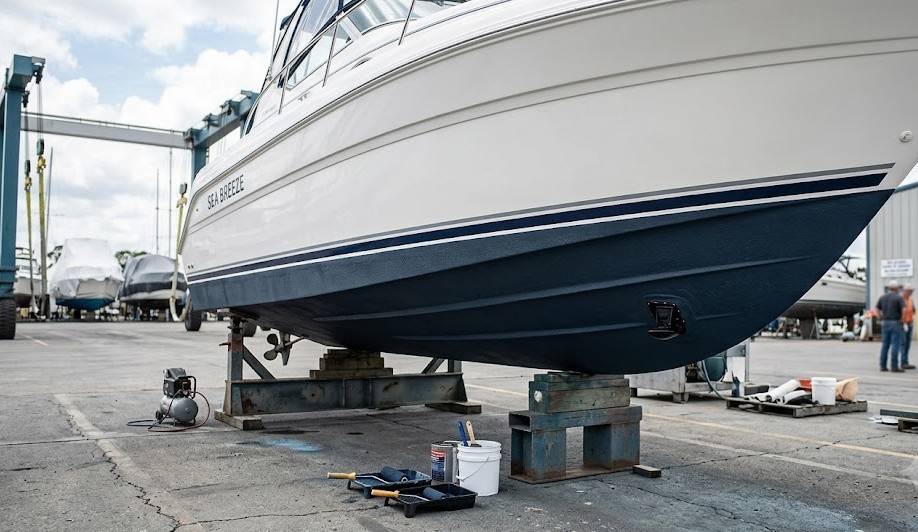
Applying fresh antifouling paint is one of the best investments a boat owner can make to protect a vessel below the waterline. However, many people believe that once the paint has dried and the boat is launched, the job is finished. In reality, understanding antifouling paint activation and following the correct maintenance routine are just as important as choosing the right coating.
Whether you own a sailboat, fishing boat, motor yacht, or commercial vessel, properly activated and maintained antifouling paint helps reduce marine growth, improve fuel efficiency, maintain top-end performance, and extend the lifespan of your hull coating. This guide explains how antifouling paint works, what activates it, and how you can keep it performing throughout the boating season.
What Is Antifouling Paint?
Antifouling paint is a protective coating applied below a boat’s waterline to reduce the attachment of marine organisms such as slime, algae, barnacles, mussels, and other biofouling. Without proper protection, marine growth can quickly increase hull drag, reduce speed, increase fuel consumption, and place unnecessary strain on the engine.
Most modern antifouling coatings fall into one of the following categories:
- Ablative (self-polishing) antifouling paint
- Hard antifouling paint
- Hybrid antifouling coatings
- Silicone foul-release coatings
Each coating has different characteristics, making it important to select one that matches your boating habits and local water conditions.
What Is Antifouling Paint Activation?
Antifouling paint activation refers to the process where the coating begins working after the boat is launched. For many antifouling paints, contact with water activates the coating and allows it to begin protecting the hull against marine growth.
Depending on the product, activation may involve:
- Exposure to seawater
- Controlled release of active ingredients
- Self-polishing of the coating during normal boat operation
- Formation of a protective surface layer
Each manufacturer specifies how soon the boat should be launched after painting. Some coatings require launching within a specific time frame, while others can remain out of the water for extended periods before activation.
Why Proper Activation Matters
If antifouling paint is not activated or maintained correctly, its effectiveness may be reduced. Improper launch timing or extended storage after painting can affect how well some coatings perform.
Proper activation helps:
- Reduce marine growth
- Improve fuel economy
- Maintain hull efficiency
- Extend coating life
- Reduce underwater cleaning frequency
How Antifouling Paint Protects Your Boat
Marine growth begins with microscopic organisms forming a thin slime layer. Over time, this attracts algae, barnacles, mussels, and other fouling organisms that firmly attach to the hull.
Antifouling coatings are designed to interrupt this process by making it difficult for organisms to establish a permanent attachment.
The result is:
- A cleaner hull
- Less hydrodynamic drag
- Lower fuel consumption
- Better handling
- Improved overall vessel performance
Factors That Affect Antifouling Paint Performance
Several conditions influence how well antifouling paint performs after activation.
- Water temperature
- Salinity
- Boat usage
- Marina location
- Water quality
- Amount of sunlight
- Length of time the boat remains stationary
Boats kept in warm marinas typically experience faster marine growth than vessels operating in cooler waters.
Why Regular Boat Use Helps
Many ablative coatings perform best when the boat is used regularly. As the vessel moves through the water, the paint slowly polishes itself, exposing fresh active material beneath the surface.
Boats that remain idle for extended periods may experience:
- Increased slime accumulation
- Faster barnacle growth
- Reduced coating efficiency
- More frequent underwater cleaning requirements
Maintaining Antifouling Paint Throughout the Season
Proper maintenance extends the life of your antifouling coating and keeps your hull performing efficiently.
Good maintenance practices include:
- Inspecting the hull regularly
- Removing light slime before heavy growth develops
- Using gentle underwater cleaning methods
- Inspecting propellers and running gear during cleanings
- Monitoring paint wear near the waterline and keel
Routine underwater inspections allow small problems to be addressed before they become expensive repairs.
Can Hull Cleaning Damage Bottom Paint?
Yes. Not all hull cleaning methods are equally safe for antifouling coatings.
Aggressive scraping, wire brushes, and abrasive pads may remove more paint than marine growth, shortening the coating’s lifespan.
Professional underwater cleaning using coating-appropriate techniques helps preserve paint while effectively removing fouling.
| Cleaning Method | Effect on Bottom Paint |
|---|---|
| Soft cleaning pads | Generally safe for most coatings |
| Soft underwater brushes | Suitable for routine maintenance |
| Abrasive pads | May increase paint wear |
| Metal scrapers | Should only be used when necessary |
| Professional non-abrasive cleaning systems | Helps preserve coating life |
Signs Your Antifouling Paint Needs Attention
Even quality coatings eventually wear and require maintenance or replacement.
Common warning signs include:
- Heavy slime growth
- Barnacle attachment
- Visible primer
- Uneven paint wear
- Peeling or flaking
- Reduced boat speed
- Higher fuel consumption
If these symptoms appear, an underwater inspection can determine whether cleaning or repainting is the best solution.
Common Mistakes Boat Owners Make
Waiting Too Long to Clean the Hull
Light slime is much easier to remove than mature barnacles. Delaying cleaning often increases maintenance costs.
Using Aggressive Cleaning Tools
Removing marine growth should not come at the expense of damaging the antifouling coating.
Ignoring Manufacturer Recommendations
Every antifouling paint has specific launch windows, maintenance procedures, and compatibility guidelines.
Leaving the Boat Idle for Long Periods
Many coatings perform better when the vessel is used regularly.
Skipping Routine Underwater Inspections
Small problems are far less expensive to correct than complete coating failures.
Best Practices for Long-Lasting Bottom Paint
- Choose the correct antifouling paint for your boating style.
- Follow the manufacturer’s launch recommendations.
- Inspect the hull several times during the season.
- Remove marine growth before it becomes excessive.
- Use gentle underwater cleaning methods.
- Keep maintenance records.
- Repaint when coating wear becomes significant.
Frequently Asked Questions
What is antifouling paint activation?
Antifouling paint activation is the process where the coating begins functioning after launch, allowing it to protect the hull against marine growth according to its design.
Does antifouling paint work immediately after launch?
Activation varies depending on the coating. Always follow the manufacturer’s recommendations regarding launch timing and curing requirements.
How often should antifouling paint be inspected?
Most boats benefit from underwater inspections every few months, although frequency depends on water conditions and how often the boat is used.
Can underwater cleaning extend the life of bottom paint?
Yes. Gentle, professional cleaning removes marine growth while helping preserve the protective coating.
How do I know when my bottom paint needs replacing?
Visible wear, heavy fouling, exposed primer, and declining boat performance are common signs that repainting may be necessary.
Conclusion
Understanding antifouling paint activation is essential for getting the best performance from your bottom paint. Proper activation, regular inspections, and routine underwater maintenance work together to reduce marine growth, improve fuel efficiency, and extend the life of your coating.
By taking a proactive approach instead of waiting until heavy fouling develops, boat owners can reduce maintenance costs, improve vessel performance, and protect one of their boat’s most valuable assets—the hull below the waterline.
Schedule a Professional Hull Inspection
If your boat has been in the water for several months or you’re unsure how your antifouling coating is performing, a professional underwater inspection can help. Experienced divers can assess bottom paint condition, remove marine growth using coating-safe techniques, inspect running gear, and recommend the best maintenance schedule to keep your vessel performing at its best. Contact us today to schedule a professional underwater hull inspection and cleaning service.
