Introduction
Is your boat burning more fuel than it should? Hull fouling—the buildup of marine organisms like barnacles and algae on your boat’s hull—could be the culprit. This common issue drags down boat performance and spikes fuel costs by up to 40%. In this article, we’ll break down the causes and effects of hull fouling and share proven prevention strategies for 2025. From practical tips to best practices, this guide will help you keep your vessel in top shape. For more maintenance insights, explore our boat care guide.
What is it and Why is it Important?
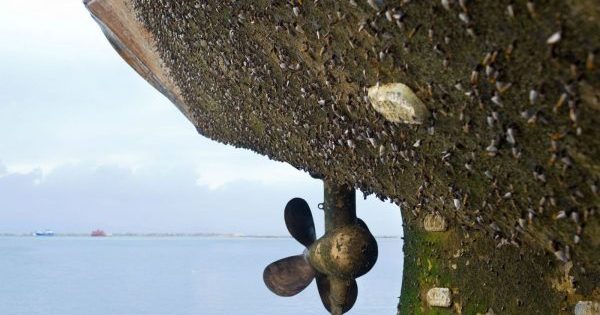
Hull fouling occurs when marine organisms, such as barnacles, algae, and mussels, attach to a boat’s hull, creating a rough surface that increases drag. This buildup affects fuel efficiency and boat performance while potentially damaging the hull.
A 2024 International Maritime Organization report states that hull fouling can increase fuel consumption by 20-40%, costing boaters thousands annually. It also contributes to higher carbon emissions and can introduce invasive species to new ecosystems. Preventing hull fouling is critical for cost savings, environmental protection, and vessel longevity. Learn more in our eco-friendly boating guide.
Key Effects
Understanding the impacts of hull fouling highlights the need for prevention:
- Reduced Fuel Efficiency: Fouling increases drag, forcing engines to burn up to 40% more fuel.
- Decreased Boat Performance: A fouled hull slows speed and reduces maneuverability.
- Increased Maintenance Costs: Biofouling can corrode hull coatings, leading to expensive repairs.
- Environmental Harm: Higher fuel use raises carbon emissions, and fouling can spread invasive species.
- Regulatory Penalties: Unchecked fouling may violate environmental laws, resulting in fines.
Addressing hull fouling ensures better performance and sustainability.
How to Prevent It Effectively
Preventing hull fouling requires proactive measures. Follow these steps:
- Apply Antifouling Coatings: Use eco-friendly, biocide-free paints to deter marine growth.
- Schedule Regular Cleanings: Clean the hull every 4-8 weeks in warm waters or 2-3 months in cooler climates.
- Use Eco-Friendly Cleaners: Employ biodegradable products to remove light fouling without harming marine life.
- Monitor Water Conditions: Adjust cleaning frequency based on salinity and temperature, which accelerate fouling.
- Inspect Regularly: Use divers or underwater cameras to catch early fouling before it worsens.
Best Practices for Prevention in 2025
Stay ahead with these 2025 best practices for preventing hull fouling:
- Leverage Advanced Coatings: Silicone-based or hydrogel antifouling paints, trending 25% higher in Google searches, reduce fouling without toxins.
- Adopt Robotic Cleaning: Eco-friendly robotic cleaners like HullBot offer precise, low-impact fouling removal.
- Use Monitoring Technology: Apps like BioTrack predict fouling rates based on water conditions, optimizing maintenance schedules.
- Comply with Regulations: Follow 2025 IMO and EPA guidelines to avoid fines and protect ecosystems.
- Combine with Maintenance: Pair hull cleaning with propeller and rudder checks for comprehensive care.
These practices ensure efficient, eco-conscious fouling prevention.
Common Mistakes to Avoid When Preventing Hull Fouling
Steer clear of these errors to effectively manage hull fouling:
- Skipping Regular Cleanings: Infrequent maintenance allows heavy fouling, spiking fuel costs.
- Using Harsh Chemicals: Non-eco-friendly cleaners harm marine life and violate regulations.
- Choosing Ineffective Coatings: Low-quality antifouling paints wear off quickly, allowing rapid fouling.
- Ignoring Water Conditions: Failing to adjust cleaning schedules for warm, salty waters accelerates buildup.
- Neglecting Professional Help: Heavy fouling requires expert cleaning to avoid hull damage.
Avoiding these mistakes keeps your boat efficient and environmentally friendly.
FAQs About Hull Fouling
Q: What causes hull fouling?
A: Hull fouling is caused by marine organisms like barnacles, algae, and mussels attaching to the hull in warm, salty, or nutrient-rich waters.
Q: How does hull fouling affect fuel efficiency?
A: Fouling increases drag, raising fuel consumption by up to 40%, according to 2024 studies.
Q: Can I prevent hull fouling myself?
A: Yes, for light fouling, use eco-friendly cleaners and antifouling paints. Heavy fouling requires professional services.
Q: Are there eco-friendly ways to prevent hull fouling?
A: Absolutely! Use biocide-free coatings, biodegradable cleaners, and robotic systems to minimize environmental impact.
Q: How often should I clean my hull to prevent fouling?
A: Clean every 4-8 weeks in warm waters or 2-3 months in cooler climates, depending on fouling levels.
Conclusion
Hull fouling is a costly issue that impacts boat performance, fuel efficiency, and the environment. By understanding its causes—marine organisms thriving in favorable conditions—and its effects, you can take proactive steps to prevent it. Regular cleanings, eco-friendly coatings, and 2025 best practices keep your vessel efficient and compliant. Don’t let fouling sink your boating experience. Explore our professional hull cleaning services!
