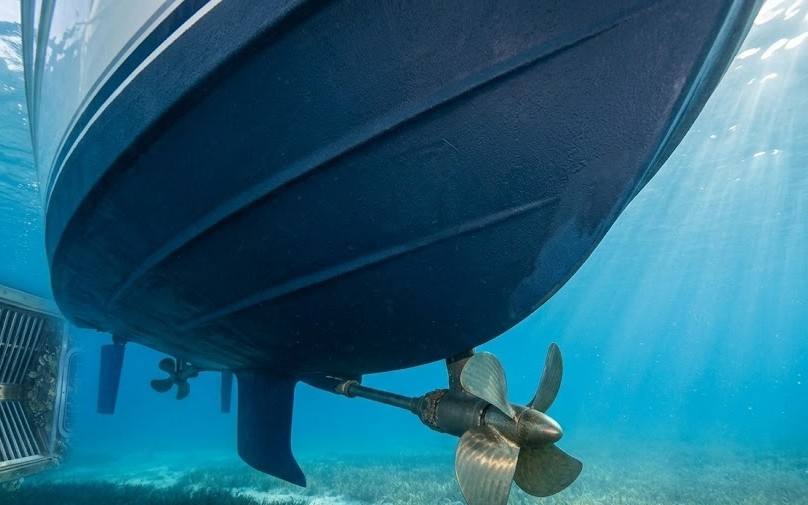
Your boat’s antifouling paint works tirelessly below the waterline, protecting the hull from marine growth, improving fuel efficiency, and preserving overall performance. However, like any protective coating, it gradually wears away over time. Waiting until the primer or bare fiberglass becomes visible often means you’ve waited too long.
A routine visual bottom paint evaluation allows boat owners to identify early signs of ablative paint wear before the coating reaches a critical stage. By recognizing subtle changes in paint thickness, texture, and color, you can schedule maintenance at the right time, avoid expensive repairs, and keep your vessel performing efficiently throughout the boating season.
This guide explains how ablative bottom paint wears, what warning signs to look for, and why professional underwater inspections can help maximize the life of your antifouling coating.
What Is Ablative Bottom Paint?
Ablative bottom paint is a self-polishing antifouling coating designed to gradually wear away during normal boat operation. As the outer layer erodes, fresh biocide-rich paint is exposed, helping reduce the attachment of marine organisms such as slime, algae, and barnacles.
Unlike hard antifouling paints that remain largely intact, ablative coatings are engineered to slowly sacrifice themselves while continuing to protect the hull.
Common benefits include:
- Continuous antifouling protection
- Reduced paint buildup over multiple seasons
- Improved fuel efficiency
- Lower hull drag
- Reduced marine growth
Why a Visual Bottom Paint Evaluation Matters
A visual bottom paint evaluation provides an opportunity to identify coating wear before it becomes severe. Since ablative paints naturally become thinner over time, routine inspections help determine whether the remaining coating is still capable of protecting the hull.
Early evaluation helps:
- Detect uneven paint wear
- Identify high-wear areas
- Plan maintenance before coating failure
- Reduce repainting costs
- Maintain hull performance
Instead of relying solely on the age of the paint, visual inspections provide real-world information about its actual condition.
How Ablative Paint Wears Over Time
As a boat moves through the water, the outer surface of ablative paint slowly erodes. This controlled wear is normal and expected.
However, wear rates vary depending on:
- Boat speed
- Frequency of use
- Water temperature
- Salinity
- Hull cleaning frequency
- Water conditions
Some areas of the hull naturally wear faster than others due to increased water flow and turbulence.
Areas That Typically Wear First
During a visual bottom paint evaluation, inspectors often pay extra attention to high-friction areas.
These commonly include:
- Leading edge of the keel
- Bow sections
- Rudder leading edges
- Propeller apertures
- Waterline transitions
- Trim tab areas
- Hull chines
Monitoring these locations helps identify wear before it spreads across the rest of the hull.
Early Signs of Bottom Paint Thinning
You don’t have to wait until bare fiberglass appears to know the coating is wearing out.
Watch for:
- Color becoming noticeably lighter
- Uneven surface appearance
- Reduced coating thickness
- Localized smooth patches
- Increased slime accumulation
- Small areas where primer begins to show
Addressing these signs early often extends the life of the remaining coating.
How Marine Growth Can Indicate Paint Wear
Increased fouling doesn’t always mean the paint has completely failed, but it can be an early warning that the coating is becoming less effective.
Common indicators include:
- Persistent slime
- Small barnacle attachment
- Localized algae growth
- Growth concentrated in high-wear areas
If marine growth begins appearing more quickly than in previous seasons, the paint may require closer evaluation.
Visual Inspection vs Thickness Measurement
| Inspection Method | Primary Purpose | Best Use |
|---|---|---|
| Visual inspection | Identify visible wear | Routine maintenance |
| Underwater photography | Document coating condition | Maintenance records |
| Professional assessment | Evaluate overall coating health | Maintenance planning |
| Haul-out inspection | Complete hull evaluation | Repainting decisions |
Visual inspections provide valuable information throughout the season, even when the boat remains in the water.
Why Waiting for Bare Hull Is a Mistake
Many owners delay repainting until fiberglass or primer becomes visible.
This approach increases the risk of:
- Rapid marine growth
- Higher cleaning costs
- Reduced fuel efficiency
- Greater hull drag
- Additional surface preparation during repainting
Scheduling maintenance before complete coating failure usually produces better long-term results.
How Underwater Inspections Help
Professional divers can perform a comprehensive visual bottom paint evaluation without requiring a haul-out.
An underwater inspection may include:
- Bottom paint condition assessment
- Marine growth evaluation
- Propeller inspection
- Running gear inspection
- Rudder assessment
- Underwater photographs for maintenance records
These inspections allow owners to make informed maintenance decisions based on actual hull condition.
Best Practices for Extending Bottom Paint Life
- Inspect the hull regularly.
- Clean marine growth before it becomes heavy.
- Use coating-safe underwater cleaning methods.
- Address localized wear early.
- Follow the paint manufacturer’s maintenance recommendations.
- Document hull condition with photographs.
The BoatUS Foundation recommends regular hull inspections as part of a comprehensive boat maintenance program.
Common Mistakes Boat Owners Make
Waiting Until Fiberglass Is Visible
By this stage, the coating has already reached the end of its useful life in affected areas.
Ignoring High-Wear Zones
The bow, keel, and rudder often require closer monitoring than flatter hull sections.
Using Abrasive Cleaning Methods
Overly aggressive cleaning can remove protective paint prematurely.
Assuming Paint Wears Evenly
Ablative coatings rarely wear at the same rate across the entire hull.
Skipping Mid-Season Inspections
Routine evaluations help identify developing issues before they require major maintenance.
Frequently Asked Questions
What is a visual bottom paint evaluation?
A visual bottom paint evaluation is an inspection of the underwater hull to assess antifouling paint condition, identify thinning areas, and determine whether maintenance or repainting may be needed.
How often should bottom paint be inspected?
Boats kept in the water should be inspected periodically throughout the season, particularly in warm, high-fouling environments.
Can bottom paint wear unevenly?
Yes. Areas exposed to greater water flow, such as the bow and keel, often wear more quickly than other parts of the hull.
Do I need to wait until bare fiberglass appears?
No. It’s generally better to identify thinning paint early and plan maintenance before the protective coating is completely worn away.
Can underwater inspections determine paint condition?
Yes. Professional underwater inspections provide valuable visual information about coating wear while the boat remains in the water.
Conclusion
A routine visual bottom paint evaluation is one of the simplest ways to protect your boat’s hull and avoid unnecessary maintenance costs. By identifying early signs of ablative paint thinning before primer or bare fiberglass becomes visible, boat owners can schedule maintenance at the right time, preserve hull performance, and extend the life of their antifouling coating.
Regular underwater inspections combined with coating-safe cleaning methods help ensure your bottom paint continues protecting your investment season after season.
Schedule a Professional Bottom Paint Inspection
If your boat has been in the water for several months or you’re unsure about the condition of its antifouling coating, our professional underwater inspection service can help. We provide detailed visual bottom paint evaluations, underwater photography, hull cleaning, and maintenance recommendations to help you maximize coating life and keep your vessel performing at its best. Contact us today to schedule your underwater hull inspection.
