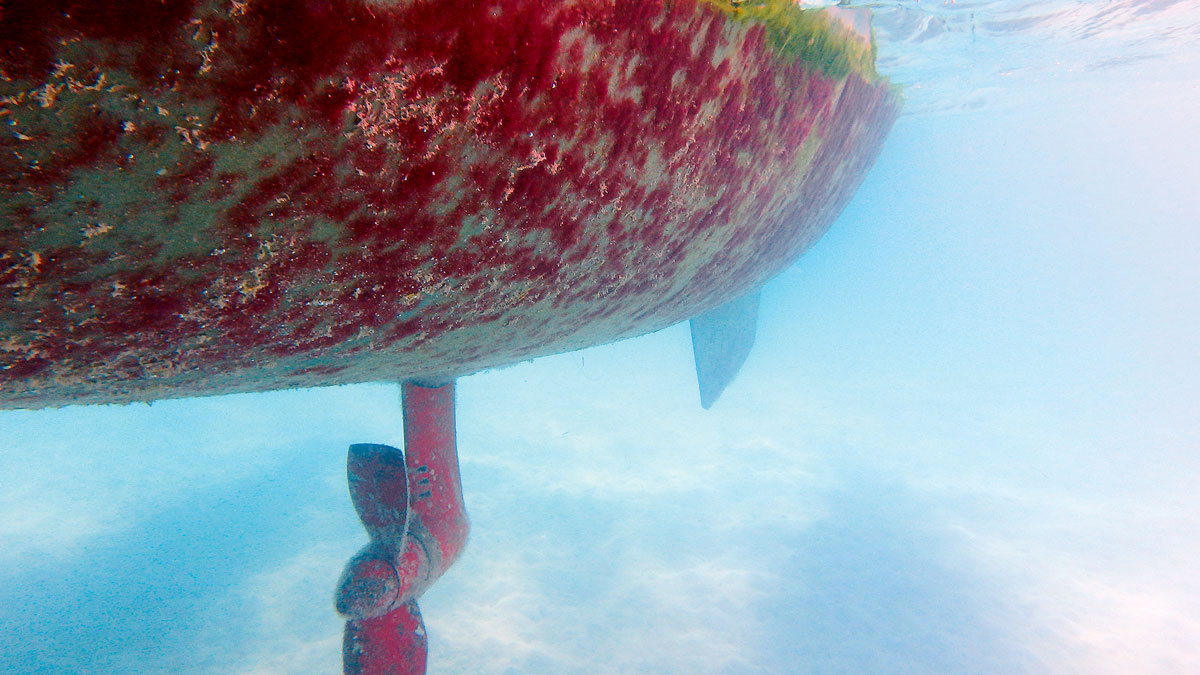
Soft brushes preserve antifouling paint integrity during hull cleaning while effectively removing marine growth, making them superior to hard scrapers that accelerate coating wear and compromise long-term vessel protection. The fundamental difference between these cleaning approaches centers on how each tool interacts with expensive protective coatings applied to underwater hull surfaces. Soft-bristle brushes remove fouling organisms through gentle mechanical action that lifts growth away from surfaces without excessive paint removal, while hard scrapers rely on aggressive abrasion that strips away antifouling layers along with attached marine life. Understanding why soft brushes hull cleaning techniques protect boat investments helps vessel owners avoid common DIY maintenance mistakes that create costly coating damage requiring premature reapplication.
The choice between soft brushes and hard scrapers significantly impacts antifouling paint lifespan, with improper tool selection potentially reducing coating effectiveness by fifty percent or more between application cycles. Professional marine maintenance experts consistently recommend soft-bristle approaches for routine cleaning, reserving harder tools only for specific situations where calcified growth resists gentler removal methods.
Understanding Antifouling Paint Technology
Antifouling paint represents a sophisticated coating system designed to prevent marine organism attachment through controlled biocide release that creates an inhospitable surface environment. These specialized paints typically consist of a resin matrix containing copper compounds, organic biocides, or zinc pyrithione that gradually leach into surrounding water, deterring barnacles, algae, and other fouling species from colonizing hull surfaces.
Two primary antifouling categories dominate the marine coating market, each requiring different cleaning approaches to maximize effectiveness. Hard antifouling paints create durable solid films that release biocides slowly while maintaining structural integrity through multiple seasons, making them ideal for powerboats and high-speed vessels operating above thirty knots. Soft or ablative antifouling paints gradually wear away during vessel movement, exposing fresh biocide-containing layers through a self-polishing action that maintains clean hull surfaces on boats with moderate activity levels.
The cleaning method significantly affects how long these expensive coatings continue protecting hulls from marine growth. According to marine coating specialists, proper maintenance using appropriate tools extends antifouling effectiveness while aggressive scraping prematurely removes protective layers that cost hundreds to thousands of dollars to reapply professionally.
How Soft Brushes Protect Antifouling Coatings
Soft brushes preserve antifouling paint by removing marine organisms without excessive mechanical abrasion that strips away the biocide-containing coating layers underneath. The flexible bristles conform to hull contours while applying distributed pressure across wide surface areas, lifting fouling growth through sweeping motions that separate organisms from their attachment points rather than scraping both growth and paint away together.
This gentle cleaning mechanism proves particularly important for ablative antifouling systems designed to wear gradually during normal vessel operation. Soft brushes remove accumulated fouling while respecting the intended erosion rate of these self-polishing coatings, avoiding the accelerated paint removal that occurs when hard scrapers gouge into surfaces. The result maintains the fresh biocide-rich layer that continues deterring new organism attachment after cleaning.
Quality soft-bristle brushes made from nylon, polypropylene, or silicone materials clean effectively across various fouling types without creating surface scratches or coating delamination. These materials resist degradation in saltwater environments while maintaining flexibility that prevents the concentrated pressure points associated with rigid scraper edges that damage gelcoat and protective paint systems.
Soft Brush Material Selection
Nylon bristles offer excellent flexibility combined with sufficient stiffness to remove soft algae films and early-stage fouling without damaging painted surfaces. These synthetic fibers resist saltwater degradation and maintain consistent performance through hundreds of cleaning cycles, making them cost-effective for regular maintenance programs.
Silicone brushes provide the gentlest cleaning action available, ideal for delicate coatings and newly applied antifouling paint requiring careful handling during initial curing periods. The soft material removes biofilm and light organic growth without any risk of coating damage, though heavier fouling may require multiple passes or supplemental cleaning approaches.
Polypropylene bristles balance durability with gentle cleaning characteristics, offering long service life while protecting sensitive hull coatings. These brushes work effectively on fiberglass, aluminum, and wooden hulls where coating preservation represents the primary maintenance objective alongside fouling removal.
Why Hard Scrapers Damage Antifouling Paint
Hard scrapers accelerate antifouling paint wear through concentrated edge pressure that removes coating material along with attached marine growth. The rigid blade or edge focuses force into narrow contact zones that gouge protective layers, creating uneven paint thickness and exposing underlying surfaces to accelerated fouling colonization. This aggressive mechanical action defeats the purpose of antifouling systems by stripping away the very biocide-containing layers designed to prevent organism attachment.
Metal scrapers present the highest damage risk, particularly when users apply excessive pressure attempting to remove stubborn barnacles or calcified growth. The hard metal edges readily cut through soft ablative coatings and can scratch or gouge even durable hard antifouling paints, creating surface irregularities that trap marine larvae and accelerate future fouling accumulation. Professional hull cleaners avoid metal scrapers on painted surfaces except in specific situations requiring removal of isolated hard growth from steel commercial vessels.
Plastic scrapers offer reduced damage potential compared to metal alternatives but still remove significantly more antifouling paint per cleaning cycle than soft brushes. The rigid plastic edge concentrates pressure similarly to metal scrapers, stripping coating material particularly when users push aggressively against resistant fouling. According to experienced boat maintenance practitioners, plastic scrapers wear away quickly during use, with sharp edges initially cutting into coatings before wearing down to less aggressive profiles.
Coating Thickness Loss from Scraper Use
Research on hull cleaning practices demonstrates that hard scraper use removes two to five times more antifouling paint per cleaning session compared to soft brush methods. This accelerated coating loss translates directly into shortened protection intervals, requiring antifouling reapplication every one to two seasons rather than the three to five year lifespan achievable with proper gentle maintenance.
The economic impact proves substantial when considering professional antifouling application costs ranging from one thousand to five thousand dollars depending on vessel size and coating quality. Premature paint failure due to aggressive scraping effectively doubles or triples long-term maintenance expenses compared to soft brush preservation that maximizes coating longevity.
Common DIY Hull Cleaning Mistakes
Inexperienced boat owners frequently select cleaning tools based on perceived cleaning power rather than coating preservation, defaulting to hard scrapers that promise quick fouling removal without considering the long-term damage to expensive antifouling systems. This mistake stems from understandable frustration when encountering heavy marine growth that resists initial cleaning attempts, leading to escalating tool aggression that ultimately harms vessel protection.
Using excessive pressure represents another widespread error that amplifies tool-related damage regardless of whether owners employ brushes or scrapers. The misconception that harder scrubbing produces better cleaning results causes many DIY maintainers to apply force levels that strip antifouling paint while providing minimal additional fouling removal benefit. Effective hull cleaning depends more on technique, tool selection, and cleaning frequency than on brute force application.
Neglecting regular cleaning schedules creates conditions where even soft brushes cannot remove established fouling, forcing owners to resort to aggressive scraping that could have been avoided through consistent maintenance. Monthly cleaning during active fouling seasons prevents light organic growth from progressing to calcified barnacles or thick shell accumulations requiring damaging removal methods. According to hull cleaning specialists, maintaining forty-day cleaning intervals keeps growth manageable for soft brush techniques throughout the season.
Improper Cleaning Technique Errors
Dry scrubbing without adequate water lubrication creates excessive friction that damages coatings regardless of tool softness. The lack of water between bristles and hull surfaces allows abrasive particles to embed in brush fibers, transforming even soft brushes into aggressive sanding tools that wear away protective paint layers unnecessarily.
Cleaning in the wrong direction accelerates coating wear on ablative antifouling systems designed to erode gradually in specific patterns. Scrubbing against the natural water flow direction during vessel operation removes more paint than necessary while providing minimal fouling removal advantage. Professionals recommend following the hull’s natural lines from bow to stern, matching the water flow patterns that occur during normal vessel use.
Skipping pre-rinse procedures allows dirt, sand, and debris to remain on hull surfaces where they act as abrasive particles during cleaning. These contaminants dramatically increase coating wear when trapped between brushes and painted surfaces, creating unnecessary damage that simple fresh water rinsing would prevent before cleaning begins.
When Scrapers Become Necessary
Despite soft brush superiority for routine maintenance, specific situations legitimately require scraper use to address fouling conditions beyond soft bristle removal capability. Heavy barnacle colonization with calcified bases bonded to hull surfaces often resists soft brush cleaning, necessitating careful scraper application to break organism attachment points before final cleaning with gentler tools. The key lies in using scrapers minimally and strategically rather than as primary cleaning implements.
Hard antifouling paint on steel commercial vessels tolerates controlled scraper use better than soft ablative coatings on fiberglass recreational boats. These durable hard coatings withstand moderate mechanical abrasion without premature failure, allowing plastic scrapers to address stubborn fouling when other methods prove inadequate. Even in these situations, professionals minimize scraping to isolated problem areas rather than treating entire hull surfaces with aggressive tools.
Emergency cleaning situations where vessels have remained idle for extended periods without maintenance may present fouling severity that cannot practically be addressed using only soft brushes. These extreme cases often justify professional cleaning services with specialized equipment rather than DIY scraping that risks extensive coating damage across large hull areas requiring expensive repair and repainting.
Proper Scraper Technique When Required
Rounding scraper edges with files or sandpaper before use reduces coating damage risk by eliminating sharp corners that gouge protective layers. This preparation creates a slightly dulled edge that still removes hard growth while distributing pressure more evenly across contact surfaces, minimizing paint stripping during necessary scraper application.
Holding scrapers at shallow angles relative to hull surfaces rather than perpendicular positions reduces penetration depth into antifouling coatings. A fifteen to thirty degree angle allows the scraper edge to slide underneath barnacle bases without cutting deeply into protective paint, preserving coating thickness while addressing isolated hard growth.
Following scraper use with immediate soft brush cleaning removes loosened organisms and smooths disturbed paint surfaces, restoring proper coating texture that resists accelerated re-fouling. This two-step approach minimizes total coating loss while addressing situations where scrapers prove genuinely necessary rather than simply convenient.
Comparing Cleaning Effectiveness
Soft brushes demonstrate superior effectiveness for light to moderate fouling removal representing ninety percent of typical maintenance situations boat owners encounter during regular cleaning intervals. Soft algae films, biofilm accumulation, early barnacle attachment, and light mussel growth all respond excellently to proper soft brush technique without requiring aggressive tools that damage protective coatings unnecessarily.
The distributed pressure application inherent to brush cleaning provides more thorough organism removal across complex hull contours compared to scrapers that only contact high points on curved surfaces. Soft bristles conform to recessed areas around through-hulls, rudder stocks, and propeller shaft struts where scrapers cannot effectively reach without repeated repositioning and increased coating damage risk.
Time requirements favor soft brushes for routine maintenance, with typical thirty-foot hull cleaning completing in sixty to ninety minutes using proper brush technique compared to similar duration for scraper methods that remove more coating material while providing no speed advantage. The efficiency derives from covering larger surface areas with each brush stroke versus the narrow contact zone of scraper edges requiring multiple passes.
Fouling Removal Performance Metrics
Field testing conducted by marine maintenance professionals demonstrates that quality soft brushes remove ninety-five percent or more of soft fouling organisms during single-pass cleaning cycles. This performance matches or exceeds scraper effectiveness for the majority of hull cleaning situations while preserving significantly more antifouling paint thickness per maintenance session.
For established barnacle growth, soft brushes alone achieve approximately fifty to sixty percent removal effectiveness compared to eighty to ninety percent for scraper methods. However, the coating preservation advantage of soft brushes offsets this effectiveness gap, as the barnacles that resist initial soft brush removal typically dislodge during subsequent cleaning cycles without requiring aggressive scraping that strips protective layers.
Long-Term Cost Comparison
Soft brush maintenance programs deliver substantially lower lifetime hull care costs through antifouling paint preservation that extends application intervals from one to two seasons with scraper damage up to three to five seasons with gentle cleaning techniques. This extended coating lifespan translates into thousands of dollars in avoided reapplication expenses over typical vessel ownership periods spanning ten to twenty years.
A representative cost analysis for a thirty-foot sailboat illustrates the financial advantage clearly. Professional antifouling application costs approximately two thousand dollars including materials, labor, and haul-out fees. Using hard scrapers requiring repainting every two seasons generates ten thousand dollars in coating expenses over a twenty-year ownership period, while soft brush preservation extending intervals to four seasons reduces total costs to five thousand dollars—a fifty percent savings directly attributable to proper tool selection.
The superior coating preservation provided by soft brushes also maintains optimal hull smoothness that reduces fuel consumption and increases vessel speed compared to the roughened surfaces resulting from aggressive scraper wear. These operational efficiency benefits compound financial advantages beyond direct coating cost savings, particularly for powerboats where fuel represents a substantial ongoing expense affected by hull condition.
Selecting the Right Soft Brush
Brush head size influences cleaning efficiency and operator fatigue, with wider heads covering more surface area per stroke while requiring increased physical effort to maneuver effectively. Eight to twelve inch widths suit most recreational vessels, providing optimal balance between coverage and control for dock-based or dinghy cleaning operations. Smaller six-inch brushes excel in tight spaces around running gear and hull appendages where larger heads cannot maneuver effectively.
Handle length determines reachable hull areas from above-water positions, with telescoping designs extending from four feet to twelve feet or more enabling complete coverage of medium-sized vessels without underwater diving. Fixed-length handles offer improved rigidity for applying consistent pressure during cleaning but limit versatility compared to adjustable alternatives that accommodate various vessel sizes and operator positions.
Bristle stiffness gradations range from very soft silicone suitable for delicate new coatings to medium-stiff nylon appropriate for established antifouling on regularly maintained hulls. Most boat owners benefit from maintaining multiple brush heads with varying stiffness levels, using the softest effective option for prevailing fouling conditions to minimize coating wear while ensuring thorough cleaning results.
Brush Quality Indicators
Corrosion-resistant handle materials including aluminum, stainless steel, or fiberglass composites ensure long service life in harsh saltwater environments where inferior materials deteriorate rapidly. Handles incorporating these premium materials justify higher initial costs through multi-year reliability compared to cheaper alternatives requiring frequent replacement.
Dense bristle packing provides consistent cleaning pressure and resists premature bristle loss that reduces effectiveness over time. Quality brushes maintain bristle density through dozens of cleaning cycles, while inferior products shed bristles after minimal use, creating uneven cleaning patterns and requiring premature replacement.
Proper Soft Brush Cleaning Technique
Pre-wetting hull surfaces and brush bristles with fresh water before beginning cleaning reduces friction and prevents abrasive particle embedding that transforms gentle tools into aggressive coating removal implements. Continuous rinsing during the cleaning process maintains water lubrication while removing dislodged organisms before they reattach to adjacent cleaned areas, improving overall efficiency and effectiveness.
Applying consistent moderate pressure rather than varying force produces uniform fouling removal without localized coating damage from excessive pressure spikes. The proper pressure level feels similar to washing a car—firm enough to remove dirt but gentle enough to avoid surface harm. Developing pressure consistency requires practice but substantially improves cleaning results while maximizing coating preservation.
Using overlapping strokes in systematic patterns ensures complete hull coverage without missed patches that accelerate localized fouling development. Starting at the waterline and working downward takes advantage of gravity helping dislodged organisms fall away from cleaned surfaces, reducing recontamination and improving efficiency compared to random scrubbing patterns.
Cleaning Frequency Optimization
Monthly maintenance during peak fouling seasons prevents organic growth from progressing beyond soft stages where brushes work most effectively, eliminating any temptation to resort to scrapers for heavy accumulation removal. This consistent schedule maintains hull cleanliness with minimal effort per session compared to infrequent intensive cleaning requiring aggressive techniques.
Bi-weekly cleaning intervals suit vessels operating in warm tropical waters with accelerated fouling rates, keeping growth manageable for soft brush removal while protecting coating investment. The increased cleaning frequency costs less overall than dealing with premature paint failure from aggressive scraping necessitated by allowing heavy growth to establish between longer cleaning intervals.
Environmental Benefits of Soft Brush Cleaning
Soft brush methods release fewer toxic biocides into surrounding waters compared to aggressive scraping that removes large quantities of antifouling paint with each cleaning session. The coating particles stripped away by hard scrapers disperse throughout marinas and anchorages, contaminating sediments with copper compounds and organic biocides that harm non-target marine species including fish, crustaceans, and beneficial algae supporting healthy aquatic ecosystems.
Minimizing coating removal also reduces the frequency of antifouling reapplication cycles, decreasing total biocide introduction to marine environments over vessel lifespans. Each avoided painting cycle eliminates hundreds to thousands of dollars in direct costs while reducing environmental contamination from manufacturing, application, and eventual degradation of toxic coating systems.
Many jurisdictions increasingly regulate hull cleaning practices to prevent invasive species transfer and reduce toxic compound dispersion, with soft brush techniques more likely to comply with emerging environmental restrictions. Establishing gentle maintenance programs now positions boat owners favorably relative to future regulations that may prohibit or severely restrict aggressive cleaning methods causing excessive pollution.
Professional vs. DIY Soft Brush Cleaning
Do-it-yourself soft brush cleaning remains accessible to most boat owners with minimal equipment investment and moderate physical capability. Quality brush systems cost fifty to one hundred fifty dollars, while professional services charge one hundred fifty to four hundred dollars per cleaning depending on vessel size. Performing personal maintenance saves thousands of dollars annually while ensuring coating preservation through gentle techniques not always prioritized by time-pressured commercial services.
Professional hull cleaners bring experience recognizing optimal tool selection and technique adjustments for varying fouling conditions, potentially achieving superior results compared to inexperienced owners still developing maintenance skills. However, professionals working under time constraints may resort to aggressive scraping that reduces labor hours while accelerating coating wear—exactly the outcome soft brush proponents seek to avoid.
The optimal approach often combines DIY routine maintenance using soft brushes with occasional professional assessment ensuring proper technique and identifying any coating degradation requiring specialized attention. This hybrid strategy maintains affordability while accessing expert knowledge that improves long-term hull care outcomes beyond purely independent maintenance efforts.
Conclusion
Soft brushes fundamentally outperform hard scrapers for hull cleaning by preserving expensive antifouling coatings while effectively removing marine growth, delivering superior long-term value through extended paint lifespan and reduced maintenance costs. The gentle mechanical action lifts fouling organisms without excessive coating removal, maintaining the biocide-rich protective layers that prevent future organism attachment and reduce cleaning frequency requirements.
Common DIY mistakes including inappropriate tool selection, excessive pressure application, and irregular cleaning schedules compromise coating integrity and accelerate expensive repainting cycles that proper soft brush maintenance avoids. Understanding when scrapers become genuinely necessary versus merely convenient helps boat owners make informed decisions protecting their hull investment while maintaining clean underwater surfaces.
Establishing regular soft brush cleaning programs optimized for local fouling conditions represents the most cost-effective approach to hull maintenance, combining minimal equipment investment with maximum coating preservation and environmental responsibility. The technical superiority of soft brushes for routine maintenance proves clear when evaluating long-term costs, coating longevity, and vessel performance across typical ownership periods.
Frequently Asked Questions
1. How often should you clean boat hulls using soft brushes to avoid needing scrapers?
Cleaning every thirty to forty days during active fouling seasons prevents marine growth from progressing beyond soft stages where brushes work effectively, eliminating any need for aggressive scraper use. Boats operating in warm tropical waters benefit from bi-weekly cleaning intervals that maintain consistently clean hull surfaces with minimal effort per session. This regular maintenance schedule preserves antifouling coatings optimally while keeping fouling manageable for gentle removal techniques throughout the season. Vessels stored during winter months or operating in cooler waters may extend intervals to sixty days between cleanings without experiencing heavy growth requiring scraper intervention.
2. Can soft brushes remove barnacles, or do you always need scrapers for hard growth?
Soft brushes effectively remove early-stage barnacles during initial settlement phases before organisms develop calcified bases bonded firmly to hull surfaces. Regular monthly cleaning using quality nylon or polypropylene brushes prevents barnacle progression beyond these vulnerable early stages where gentle removal remains possible. However, established barnacles with hardened bases typically resist soft brush removal and may require careful plastic scraper application followed immediately by soft brush finishing to smooth disturbed coating areas. The key lies in maintaining cleaning frequency that prevents barnacle maturation, making soft brushes sufficient for nearly all fouling conditions encountered during proper maintenance programs.
3. What bristle material works best for protecting antifouling paint during hull cleaning?
Soft to medium-stiff nylon bristles provide optimal balance between coating protection and effective fouling removal for most routine hull maintenance situations. Silicone brushes offer the gentlest option suitable for newly applied antifouling paint requiring careful handling during initial curing periods or for owners prioritizing maximum coating preservation above all other considerations. Polypropylene bristles deliver excellent durability combined with gentle cleaning characteristics that protect sensitive coatings on fiberglass, aluminum, and wooden hulls. The specific optimal material depends on antifouling type, fouling severity, and cleaning frequency, with softer options preferred for frequent maintenance and slightly stiffer bristles appropriate for boats cleaned less regularly.
4. Does using scrapers void antifouling paint warranties?
Many premium antifouling paint manufacturers explicitly prohibit aggressive scraping in their application guidelines and warranty terms, specifying that coating damage from improper maintenance voids warranty coverage. Manufacturers design antifouling systems for specific wear rates achievable through proper soft brush maintenance, with scraper use accelerating erosion beyond intended parameters that compromises performance claims. Boat owners should review warranty documentation accompanying antifouling products before selecting cleaning tools, as expensive coating systems costing several thousand dollars often include warranties invalidated by documented scraper damage. Professional application services typically emphasize proper maintenance techniques including soft brush recommendations to protect both coating performance and warranty coverage.
5. How much money do soft brushes save compared to scraper damage over five years?
Soft brush maintenance extending antifouling lifespan from two seasons with scraper damage to four seasons with gentle care saves approximately three thousand to six thousand dollars in repainting costs over five years for typical thirty to forty foot recreational vessels. This calculation assumes professional antifouling application costs of two thousand to three thousand dollars per cycle including materials, labor, and haul-out fees. Additional savings accrue from improved fuel efficiency maintained by smooth hull surfaces preserved through proper cleaning compared to roughened coatings resulting from aggressive scraping. The total economic advantage of soft brush programs frequently exceeds ten thousand dollars over decade-long ownership periods when accounting for direct coating costs plus operational efficiency benefits from optimal hull condition.
