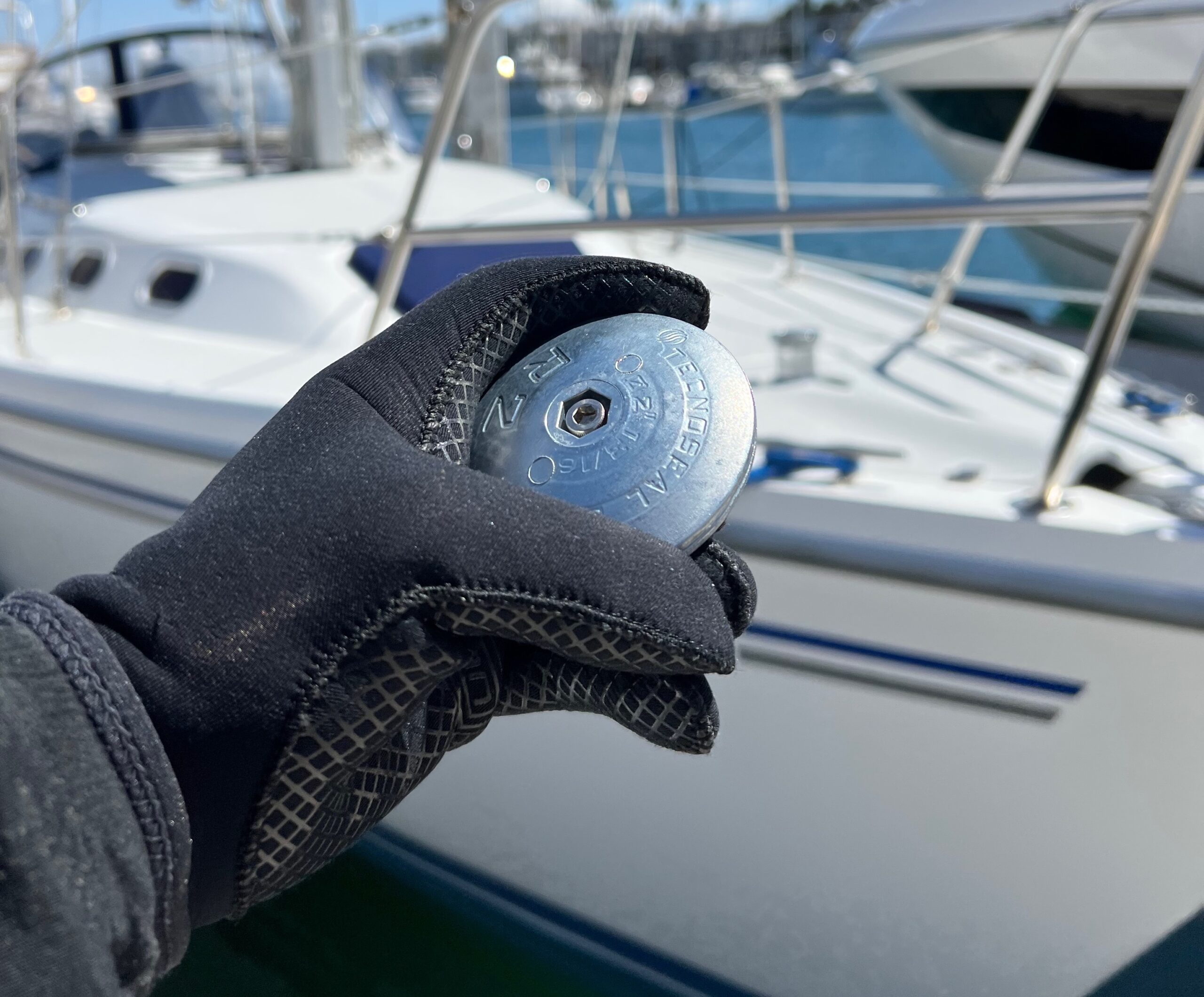
Should you handle zinc replacement yourself or hire a pro? Boat owners face this decision every season. The choice between DIY vs. professional zinc replacement impacts your maintenance costs, vessel safety, and peace of mind. In this article, we’ll dive into the DIY vs. professional zinc replacement pros and cons—giving you the clarity you need to decide which approach is best for your boat, your budget, and your confidence on the water.
What is DIY vs Professional Zinc Replacement: Pros and Cons and Why is it Important?
DIY vs. professional zinc replacement: pros and cons refers to the comparison between replacing zinc anodes on your vessel yourself and entrusting that job to a qualified marine technician. Zinc anodes, also known as sacrificial anodes, are essential for protecting metal parts on boats from harmful corrosion. As the price of marine maintenance rises, more boaters consider tackling zinc replacement as a DIY project.
Why does this choice matter? Poor zinc replacement can void warranties, accelerate corrosion, or even risk your safety. According to industry estimates, improper installation is a leading cause of premature anode failure and unexpected hull repairs, which can cost thousands. Understanding the DIY vs. professional zinc replacement pros and cons enables smart, confident decisions and optimal protection for your boat.
Key Benefits of DIY vs Professional Zinc Replacement: Pros and Cons
- Cost Control: DIY zinc replacement can save labor expenses, but a pro service includes expert inspection and peace of mind.
- Time Savings: Professionals complete the job quickly with specialized tools, while DIY lets you work on your own schedule.
- Quality Assurance: Certified pros ensure proper fit, torque, and recordkeeping. DIYers learn valuable skills and gain first-hand knowledge.
- Customization: DIYers pick their preferred anode brands. Pros may recommend specific, high-quality products based on your vessel type.
- Learning Opportunity: Replacing zincs yourself provides insight into your vessel’s systems.
How to Use DIY vs. Professional Zinc Replacement: Pros and Cons Effectively
DIY Zinc Replacement
- Gather basic tools: wrenches, wire brush, new zinc anodes.
- Inspect all anode locations (shaft, hull, rudder, trim tabs, engine).
- Remove old zincs, clean contact points (no paint or corrosion), and install new anodes securely.
- Torque bolts snugly but do not overtighten.
- Record date and location for future maintenance.
- Use DIY checklists from trusted sources to ensure nothing is missed. For detailed guides, visit our [Boat Zinc Replacement Tutorial][INSERT INTERNAL LINK].
Professional Zinc Replacement
- Schedule a service with a qualified marine technician.
- A diver or yard crew inspects, replaces, and logs all anodes.
- Receive a written report on zinc status and any corrosion risks.
- Many pros offer package deals for full-boat inspections.
- Professionals dispose of old zincs properly, ensuring environmental compliance.
Best Practices for DIY vs Professional Zinc Replacement: Pros and Cons in 2025
- Combine zinc checks with routine haul-outs or hull cleaning for easiest access.
- Request digital before/after photos or video from professional services for transparency.
- Keep DIY receipts and photos to document regular maintenance (helpful for resale or warranty).
- Use only marine-grade, certified zinc anodes—ask your pro or supplier for documentation.
- Follow manufacturer torque recommendations to avoid stripping bolt threads.
- Regularly review marine forums or pro tips—techniques and recommended products evolve yearly.
Common Mistakes to Avoid When Using DIY vs Professional Zinc Replacement: Pros and Cons
- Skipping hidden anodes (inside engines or on trim tabs).
- Overtightening bolts, leading to stripped threads or loose fit.
- Installing the wrong size or type of zinc anode for your water (zinc for salt, aluminum for brackish, magnesium for freshwater).
- Forgetting to clean the contact area, causing poor protection.
- Not documenting the replacement, making service history unclear.
- Hiring uncertified or inexperienced professionals—always check credentials.
FAQs About DIY vs Professional Zinc Replacement: Pros and Cons
Is DIY zinc replacement safe for new boat owners?
Yes, with caution—follow step-by-step guides and safety practices.
Does professional zinc replacement cost more in the long run?
It costs more upfront but may prevent costly mistakes or missed anodes.
Can improper DIY installation void my warranty?
Yes—always follow manufacturer and insurer instructions.
How often should I replace zinc anodes?
Check every 3–6 months; replace when 50% depleted.
Are pro services necessary for large yachts?
Usually, yes—complex systems benefit from expert care and thorough inspection.
Conclusion
Choosing between DIY vs professional zinc replacement: pros and cons depends on your skill, confidence, and vessel size. DIYers enjoy savings and learning, while pros offer expertise and efficiency. Whichever you choose, prioritize regular maintenance and documentation. For complete step-by-step instructions or to connect with local marine service professionals, visit our website.
