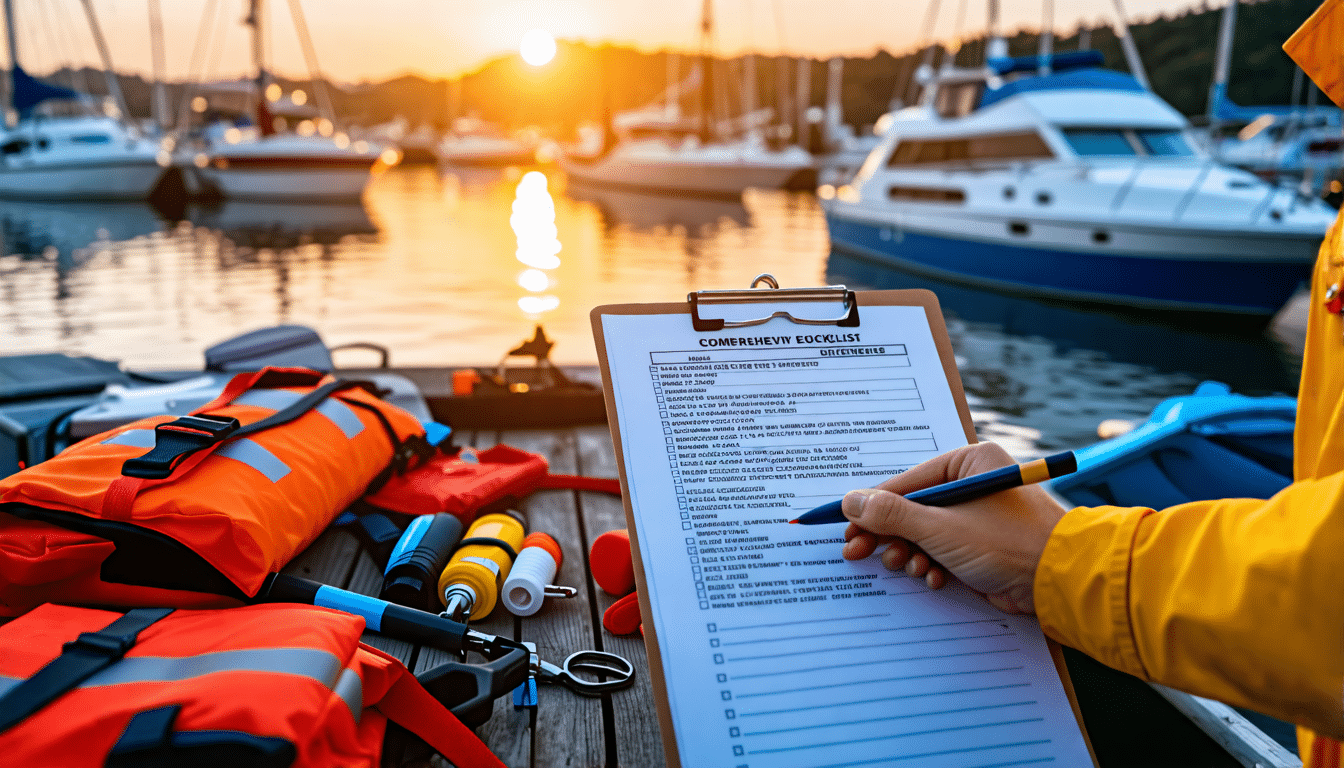
A thorough boat cleaning assessment checklist conducted before underwater hull maintenance begins prevents costly mistakes, protects expensive coatings, and ensures efficient cleaning operations that deliver optimal results. Professional marine technicians and experienced DIY boat owners understand that systematic pre-cleaning inspection identifies fouling severity, coating condition, and potential complications requiring specialized attention before committing tools to underwater surfaces. This comprehensive evaluation process typically requires fifteen to thirty minutes but saves hours of wasted effort while preventing damage that transforms routine maintenance into expensive repair projects. The structured approach transforms potentially overwhelming hull cleaning tasks into manageable procedures with predictable outcomes and documented baseline conditions for future comparison.
Skipping pre-cleaning assessment represents one of the most common and costly boat maintenance mistakes, leading to inappropriate tool selection, unexpected complications, and damage to protective coatings that could have been avoided with proper advance evaluation. A complete inspection checklist ensures nothing gets overlooked while building systematic habits that improve maintenance quality with each cleaning cycle.
Why Pre-Cleaning Assessment Matters
Pre-cleaning boat inspection establishes accurate fouling severity documentation that guides tool selection, cleaning technique, and realistic time estimates for completing maintenance effectively. Without this baseline assessment, boat owners frequently underestimate cleaning difficulty, select inappropriate equipment, and encounter unexpected complications that extend simple maintenance into multi-day projects requiring additional tools or professional intervention.
The assessment process identifies coating damage, blistering, delamination, or previous repair areas requiring gentle handling that aggressive cleaning would exacerbate into major structural problems. According to professional boat maintenance guidelines, detecting these conditions before cleaning begins allows owners to adjust techniques preventing minor issues from escalating into expensive repairs requiring haul-out and professional restoration.
Documenting hull condition through systematic pre-cleaning evaluation creates permanent records showing maintenance history, fouling patterns, and coating effectiveness over time. These records prove invaluable when determining antifouling replacement timing, supporting insurance claims, or demonstrating proper vessel care during resale negotiations. Photography and written documentation generated during assessment provide objective evidence of diligent maintenance practices that protect investment value.
Essential Safety Assessment Checklist
Safety evaluation forms the foundation of responsible pre-cleaning boat inspection, identifying environmental hazards and equipment readiness before beginning underwater work. This critical first step prevents accidents that could result in injury, equipment loss, or vessel damage during cleaning operations conducted in challenging marine environments.
Personal Safety Equipment Verification
Complete this safety equipment checklist before beginning any hull cleaning assessment or maintenance work:
- Verify personal flotation device (PFD) is accessible and properly fitted for emergency use
- Confirm dive equipment including mask, snorkel, fins, and wetsuit are in functional condition without cracks or damage
- Test communication devices if working with partners to ensure constant contact capability
- Check that safety ladder or dock access allows easy water exit in all conditions
- Ensure someone knows your location and expected completion time for cleaning operations
- Verify first aid kit accessibility with current supplies for treating minor injuries
- Confirm sun protection including sunscreen, hat, and protective clothing for extended outdoor work
- Check that non-slip footwear is worn to prevent dock falls during wet conditions
Environmental Conditions Assessment
Evaluate environmental factors that affect cleaning safety and effectiveness using this conditions checklist:
- Assess water temperature and dress appropriately to prevent hypothermia during extended immersion
- Check water visibility to determine if conditions allow safe underwater work without excessive hazard
- Evaluate current strength to ensure safe operation without risk of being swept away from vessel
- Verify no hazardous marine life present including jellyfish, stingrays, or aggressive fish species
- Confirm weather forecast shows stable conditions for duration of planned cleaning session
- Check tide schedule to work during optimal water levels for accessing hull areas
- Assess wave action and boat movement to prevent injury from vessel shifting during cleaning
- Verify adequate lighting if working during early morning or evening hours
Hull Condition Documentation Checklist
Systematic hull evaluation before cleaning establishes baseline condition records while identifying areas requiring special attention during maintenance operations. This detailed inspection process typically begins above the waterline where dry examination reveals coating condition before underwater assessment addresses submerged surfaces.
Above-Waterline Inspection Points
Complete these inspection steps for visible hull areas above the waterline:
- Examine boot stripe for paint adhesion, fading, or peeling indicating coating degradation
- Check waterline staining patterns revealing fouling intensity and cleaning effectiveness from previous sessions
- Inspect gelcoat for crazing, cracks, or stress marks that might extend below waterline
- Verify through-hull fittings show no cracking, corrosion, or sealant deterioration
- Document any previous repairs or patched areas requiring gentle cleaning to avoid damage
- Photograph visible hull sections establishing reference images for post-cleaning comparison
- Note paint overspray, drips, or uneven coverage indicating potential weak spots in antifouling system
- Check hull-to-deck joint integrity ensuring no separation or sealant failure visible
Underwater Hull Assessment Protocol
Follow this systematic checklist when conducting underwater pre-cleaning hull inspection:
- Divide hull into quadrants (port bow, starboard bow, port stern, starboard stern) for organized coverage
- Rate fouling severity in each quadrant using standardized scale (0=clean to 5=heavy growth)
- Identify fouling types present including soft algae, hard barnacles, mussels, or mixed communities
- Document coating condition noting intact areas versus damaged sections requiring careful handling
- Check for blistering, bubbling, or delamination indicating osmosis or coating failure
- Examine keel surfaces for grounding damage, impact marks, or gelcoat deterioration
- Inspect running gear including propeller, shaft, rudder, and through-hulls for growth and damage
- Note any hull damage including scratches, gouges, or stress cracks discovered during inspection
- Take underwater photographs documenting pre-cleaning condition in each quadrant
- Record approximate thickness of growth to estimate cleaning time and effort required
Fouling Classification and Severity Rating
Accurate fouling assessment requires understanding different organism types and severity levels that determine appropriate cleaning approaches and expected effort. This classification system helps communicate hull condition objectively while guiding tool selection and technique decisions.
Fouling Type Identification
Use this guide to identify common fouling organisms encountered during pre-cleaning assessment:
- Biofilm: Slimy transparent or brown coating representing earliest fouling stage from bacterial colonization
- Soft algae: Green, brown, or red plant growth easily removed with gentle brushing
- Tube worms: Small calcareous tubes creating rough surface texture requiring moderate cleaning effort
- Barnacles: Hard white or gray shell organisms bonded to hull with calcified bases
- Mussels: Dark shell bivalves attached via strong protein threads requiring significant removal force
- Hydroids: Feathery white or tan growth resembling tiny plants attached to hull surfaces
- Mixed community: Combination of multiple organism types indicating established fouling
Severity Rating Scale
Apply these standard fouling ratings during pre-cleaning assessment to document hull condition:
- Rating 0 (Clean): No visible fouling present; coating appears recently cleaned or new
- Rating 1 (Slight): Biofilm or light slime coating without visible organisms; less than 5% coverage
- Rating 2 (Light): Thin algae growth or scattered tube worms; 5-20% surface coverage
- Rating 3 (Moderate): Established algae mats or numerous small barnacles; 20-40% coverage
- Rating 4 (Heavy): Thick algae, multiple large barnacles, or mussel colonies; 40-60% coverage
- Rating 5 (Severe): Dense organism layers obscuring paint surface; over 60% coverage
Coating Condition Evaluation Checklist
Antifouling paint assessment during pre-cleaning inspection determines whether coating remains effective or requires replacement regardless of cleaning efforts. This evaluation influences maintenance decisions extending beyond immediate cleaning to inform long-term hull care planning.
Paint System Integrity Assessment
Evaluate antifouling coating condition using these specific inspection criteria:
- Check for uniform color indicating consistent coating thickness without excessive wear patterns
- Inspect for primer show-through revealing areas where antifouling layer has worn completely away
- Note chalking or powdery surface texture suggesting ablative coating functioning as designed
- Identify any glossy hard spots indicating coating failure or contamination during application
- Document peeling or flaking paint requiring removal before new coating application
- Examine for blister formation suggesting moisture intrusion beneath coating layers
- Check paint adhesion by gently scraping test areas to assess bond strength
- Note any discoloration patterns indicating biological growth beneath coating surface
- Verify coating coverage remains adequate at critical high-wear areas including bow and stern
- Assess overall coating age relative to manufacturer specifications for recoating intervals
Running Gear and Hardware Assessment
Propulsion system components and underwater hardware require dedicated inspection attention during pre-cleaning assessment due to their critical operational importance and vulnerability to fouling-related damage. These detailed evaluations identify issues requiring specialized cleaning techniques or professional service beyond routine hull maintenance.
Propeller and Shaft Inspection Checklist
Complete this thorough running gear assessment before cleaning operations begin:
- Examine propeller blades for fouling accumulation, particularly along leading edges and tips
- Check blade surfaces for dings, nicks, or cavitation damage requiring repair attention
- Verify propeller nut remains tight without corrosion preventing future removal
- Inspect shaft for straightness, pitting, or corrosion indicating potential mechanical problems
- Check shaft seal area for excessive growth that might interfere with seal operation
- Examine cutlass bearing for wear or excessive shaft play requiring service
- Note any fishing line or rope wrapped around shaft requiring careful removal
- Document zinc anode condition and remaining material before cleaning obscures assessment
Rudder and Steering System Evaluation
Assess steering components using this systematic inspection protocol:
- Check rudder surfaces for fouling concentration particularly along leading edge and bottom
- Verify rudder movement remains free without binding or unusual resistance
- Inspect rudder stock for corrosion or pitting at waterline transition zone
- Examine rudder bearings for play or looseness indicating wear requiring service
- Note any impact damage to rudder blade edges from grounding or debris contact
- Check skeg if present for damage, excessive fouling, or coating deterioration
Through-Hull Fittings and Openings Assessment
Underwater openings require special attention during pre-cleaning assessment to identify blockages, damage, or fouling that compromises vessel systems. According to comprehensive boat inspection standards, through-hull failure represents a primary sinking cause making this assessment component critically important beyond simple cleaning preparation.
Through-Hull Inspection Protocol
Evaluate each through-hull fitting using this detailed checklist:
- Locate all through-hulls using deck layout or previous inspection records for complete coverage
- Verify each fitting remains properly secured without looseness or movement
- Check for marine growth blocking intake or discharge openings
- Inspect fitting material for corrosion, cracking, or deterioration requiring replacement
- Note any missing or damaged strainers that allow debris entry into systems
- Verify valves remain accessible and operational without excessive force required
- Document any weeping or seepage around fittings suggesting sealant failure
- Check for electrolysis damage particularly on mixed-metal installations
Equipment and Supplies Readiness Checklist
Confirming all necessary cleaning equipment availability before beginning hull work prevents frustrating interruptions and ensures efficient task completion. This preparatory verification identifies any missing items requiring acquisition before underwater operations commence.
Cleaning Tools Inventory
Verify these essential cleaning tools are ready for use:
- Soft-bristle brushes in appropriate sizes for hull area and fouling conditions
- Telescoping handle with secure brush attachment capability
- Backup brush heads if primary tool becomes damaged during cleaning
- Plastic scrapers if heavy fouling identified during assessment requires supplemental tools
- Bucket or container for mixing cleaning solutions if chemical assistance planned
- Fresh water supply for rinsing brushes and hull surfaces during cleaning
- Underwater camera for documenting cleaning progress if detailed records desired
- Measuring tools if quantifying growth thickness or documenting specific conditions
Safety and Support Equipment
Confirm these support items are available before beginning cleaning operations:
- Adequate dock space or dinghy access for reaching all hull areas safely
- Proper disposal containers for collected fouling organisms per local regulations
- Cleaning product material safety data sheets (MSDS) if using chemical treatments
- Protective gloves resistant to cleaning chemicals and rough fouling organisms
- Eye protection against splashing water or dislodged debris during cleaning
- Drinking water and sun protection for extended outdoor work sessions
- Phone or communication device for emergency contact if needed
Time and Resource Estimation
Pre-cleaning assessment enables accurate time and cost estimation preventing schedule disruptions and budget overruns during hull maintenance projects. This planning component helps boat owners allocate appropriate resources while setting realistic expectations for cleaning outcomes based on observed conditions.
Cleaning Duration Prediction
Estimate required cleaning time using these guidelines based on assessment findings:
- Light fouling (Rating 0-2): 1-2 hours for 30-foot vessel using soft brushes
- Moderate fouling (Rating 3): 2-4 hours requiring systematic brushing with possible scraper use
- Heavy fouling (Rating 4-5): 4-8 hours or professional service for severe accumulations
- Complex hull shapes: Add 25-50% additional time for multi-hull vessels or complicated running gear
- First-time cleaners: Double estimated duration accounting for learning curve and technique development
Documentation and Record Keeping
Creating permanent records during pre-cleaning assessment establishes valuable maintenance history supporting future decisions about cleaning frequency, coating replacement, and overall vessel care strategies. Professional documentation practices transform routine inspections into data-rich resources guiding long-term hull management.
Essential Documentation Elements
Record these key data points during each pre-cleaning assessment:
- Date and time of inspection for tracking fouling accumulation rates
- Days since previous cleaning showing interval between maintenance sessions
- Water temperature affecting fouling growth rates and organism types
- Vessel location during inspection period (marina, mooring, anchorage)
- Fouling severity ratings for each hull quadrant using standardized scale
- Coating condition assessment noting any degradation or damage observed
- Specific problem areas requiring special attention during cleaning
- Photographs showing overall hull condition and specific issues identified
- Estimated cleaning time and required tools based on observed conditions
- Any maintenance recommendations beyond routine cleaning identified during inspection
Regulatory and Environmental Compliance
Pre-cleaning assessment should include verification that planned cleaning activities comply with local environmental regulations and marina rules governing hull maintenance operations. Many jurisdictions restrict in-water cleaning practices to prevent invasive species transfer and toxic compound dispersion, making compliance verification essential before beginning work.
Regulatory Compliance Checklist
Verify these regulatory requirements before proceeding with hull cleaning:
- Confirm in-water cleaning is permitted at your location and vessel position
- Check if fouling organism disposal requires capture systems or specific handling
- Verify compliance with any restrictions on cleaning methods or tools allowed
- Ensure antifouling coating type meets local environmental regulations if repainting planned
- Document compliance with invasive species prevention protocols if moving between water bodies
- Confirm any required permits or notifications to marina management are completed
Post-Assessment Decision Making
The complete pre-cleaning boat assessment checklist culminates in informed decisions about proceeding with DIY cleaning, engaging professional services, or deferring maintenance based on observed conditions and available resources. This decision framework ensures owners select appropriate approaches matching hull condition with their capabilities and equipment.
DIY Cleaning Suitability Criteria
Proceed with do-it-yourself cleaning when assessment reveals these favorable conditions:
- Fouling severity rates as light to moderate (Rating 0-3) across most hull sections
- Coating remains in good condition without significant damage requiring professional repair
- All necessary equipment available and operator possesses adequate skill level
- Environmental conditions support safe underwater work without excessive hazards
- Time available matches realistic completion estimates based on fouling extent
- No specialized repairs or structural concerns identified requiring expert attention
Professional Service Indicators
Consider engaging professional hull cleaning services when assessment identifies these conditions:
- Heavy to severe fouling (Rating 4-5) exceeding DIY cleaning practical capability
- Significant coating damage, blistering, or delamination requiring expert evaluation
- Structural concerns including cracks, impacts, or integrity questions needing professional assessment
- Specialized equipment requirements beyond available DIY tools and resources
- Time constraints preventing adequate personal attention to thorough cleaning
- Physical limitations making extended underwater work unsafe or impractical
Common Assessment Mistakes to Avoid
Even experienced boat owners occasionally make pre-cleaning assessment errors that compromise maintenance effectiveness or create unexpected complications during cleaning operations. Learning these common mistakes helps develop systematic inspection habits preventing oversights that transform routine maintenance into frustrating experiences.
Frequent Assessment Oversights
Avoid these common pre-cleaning inspection errors:
- Rushing assessment to begin cleaning quickly without thorough hull evaluation
- Failing to document baseline conditions making post-cleaning comparison impossible
- Overlooking running gear inspection focusing only on hull surfaces
- Neglecting above-waterline examination that reveals coating problems extending underwater
- Skipping photography that provides objective condition records for future reference
- Ignoring environmental regulations governing in-water cleaning in your location
- Underestimating cleaning time leading to incomplete maintenance or rushed poor-quality work
- Selecting inappropriate tools based on inadequate fouling severity assessment
Professional Hull Cleaning Services
When pre-cleaning assessment reveals conditions exceeding DIY capabilities or simply to ensure professional-quality results without personal labor investment, engaging expert hull cleaning services provides efficient solutions backed by specialized equipment and experience. Professional technicians bring systematic assessment protocols combined with optimal cleaning techniques that preserve coatings while thoroughly removing fouling regardless of severity.
Quality professional services conduct their own comprehensive pre-cleaning assessments following industry-standard protocols before beginning work, providing clients with detailed condition reports and photographic documentation. This professional evaluation often identifies maintenance issues beyond simple fouling removal, delivering added value through expert observation of hull condition, coating effectiveness, and potential problems requiring attention.
Ready to ensure your vessel receives professional-quality hull maintenance? Explore our expert hull cleaning and inspection services designed to protect your marine investment while delivering thorough results backed by years of specialized experience. Contact us today to schedule a comprehensive assessment and discover how professional care extends coating life while maintaining optimal vessel performance.
Integrating Assessment into Maintenance Routine
Developing systematic pre-cleaning assessment habits transforms these checklist procedures from initially time-consuming tasks into efficient routine practices requiring minimal additional effort before each maintenance session. Regular assessment creates baseline familiarity with normal hull condition making abnormalities immediately obvious during subsequent inspections.
Many boat owners maintain digital or paper logs recording assessment data from each inspection, building comprehensive maintenance histories showing fouling patterns, cleaning intervals, and coating performance over months and years. These records prove invaluable when optimizing maintenance schedules, selecting antifouling products, or documenting proper care during warranty claims and vessel transactions.
Conclusion
The complete pre-cleaning boat assessment checklist represents an essential foundation for effective hull maintenance that protects expensive coatings, ensures thorough cleaning results, and prevents costly mistakes requiring professional repair intervention. Systematic inspection following structured protocols identifies fouling severity, coating condition, safety hazards, and equipment requirements before underwater work begins, enabling informed decisions about appropriate cleaning approaches and realistic time estimates.
Professional marine technicians and experienced boat owners consistently emphasize that the fifteen to thirty minutes invested in proper pre-cleaning assessment saves hours of wasted effort while preventing coating damage that compromises long-term vessel protection. The structured evaluation process documented through photography and written records creates valuable maintenance history supporting optimal hull care strategies throughout vessel ownership.
Developing disciplined pre-cleaning assessment habits transforms hull maintenance from potentially overwhelming tasks into manageable systematic procedures with predictable outcomes. Whether proceeding with DIY cleaning or engaging professional services, thorough preliminary inspection ensures appropriate tool selection, realistic planning, and quality results that preserve marine investments through proper underwater surface care.
Frequently Asked Questions
1. How long should a thorough pre-cleaning boat assessment take?
A comprehensive pre-cleaning boat assessment typically requires fifteen to thirty minutes for recreational vessels under forty feet, with larger or more complex vessels potentially needing forty-five to sixty minutes for complete evaluation. This time investment includes above-waterline inspection, systematic underwater examination of all hull quadrants, running gear assessment, documentation through photography, and condition recording using standardized rating scales. Experienced owners familiar with their vessel’s typical condition often complete assessments more quickly while first-time inspectors should allocate additional time developing systematic inspection habits and understanding what constitutes normal versus abnormal findings requiring attention.
2. What fouling severity rating requires professional cleaning instead of DIY maintenance?
Fouling severity ratings of 4 (heavy) or 5 (severe) on the standardized scale typically exceed practical DIY cleaning capability and warrant professional service engagement. These heavy conditions feature dense organism layers covering over forty percent of hull surfaces with established barnacle colonies, thick mussel accumulations, or mixed fouling communities requiring specialized equipment and aggressive techniques beyond typical recreational boat owner capabilities. Additionally, any coating damage, blistering, or structural concerns identified during assessment should prompt professional consultation regardless of fouling severity, as expert evaluation prevents inadvertent damage during cleaning operations that could exacerbate underlying problems requiring expensive repairs.
3. Do you need underwater camera equipment for effective pre-cleaning assessment?
While underwater cameras provide excellent documentation capabilities, they are not essential for conducting effective pre-cleaning boat assessment using visual inspection and written condition recording. Simple waterproof smartphones in protective cases offer affordable photography options capturing adequate pre-cleaning condition evidence without specialized underwater camera investment. However, experienced maintainers find photographic documentation increasingly valuable over time as reference images enable objective comparison between cleaning sessions, support insurance claims if damage occurs, and demonstrate proper maintenance practices during vessel sales. Basic above-waterline photography using standard phones combined with detailed written fouling ratings provides sufficient documentation for most recreational boat owners.
4. Should pre-cleaning assessment happen immediately before cleaning or days in advance?
Optimal timing for pre-cleaning boat assessment occurs immediately before planned cleaning operations, typically within the same day or previous day at most. This timing ensures observed conditions accurately reflect the fouling state that will be addressed during maintenance rather than outdated information from assessments conducted weeks earlier when conditions may have significantly changed. However, initial assessment several days before cleaning proves valuable for first-time cleaning situations or when heavy fouling is expected, allowing time to acquire necessary equipment, schedule professional services if needed, or plan adequate time allocation based on observed conditions without pressure to begin cleaning immediately after discovering unexpected complications.
5. How do you document pre-cleaning assessment findings for insurance and resale purposes?
Effective documentation for insurance and resale purposes combines dated photography showing overall hull condition with written records using standardized fouling severity ratings and coating condition assessments. Take photographs from consistent angles during each assessment enabling direct visual comparison over time, include recognizable reference points or measurement scales providing context, and store digital images with clear date stamps and location information. Maintain written logs recording inspection date, days since previous cleaning, fouling ratings for each hull quadrant, coating condition notes, and any maintenance performed following assessment. Store these records securely in both digital and physical formats, as comprehensive maintenance documentation demonstrating consistent proper care significantly enhances vessel value and supports insurance claims if damage occurs requiring coverage.
