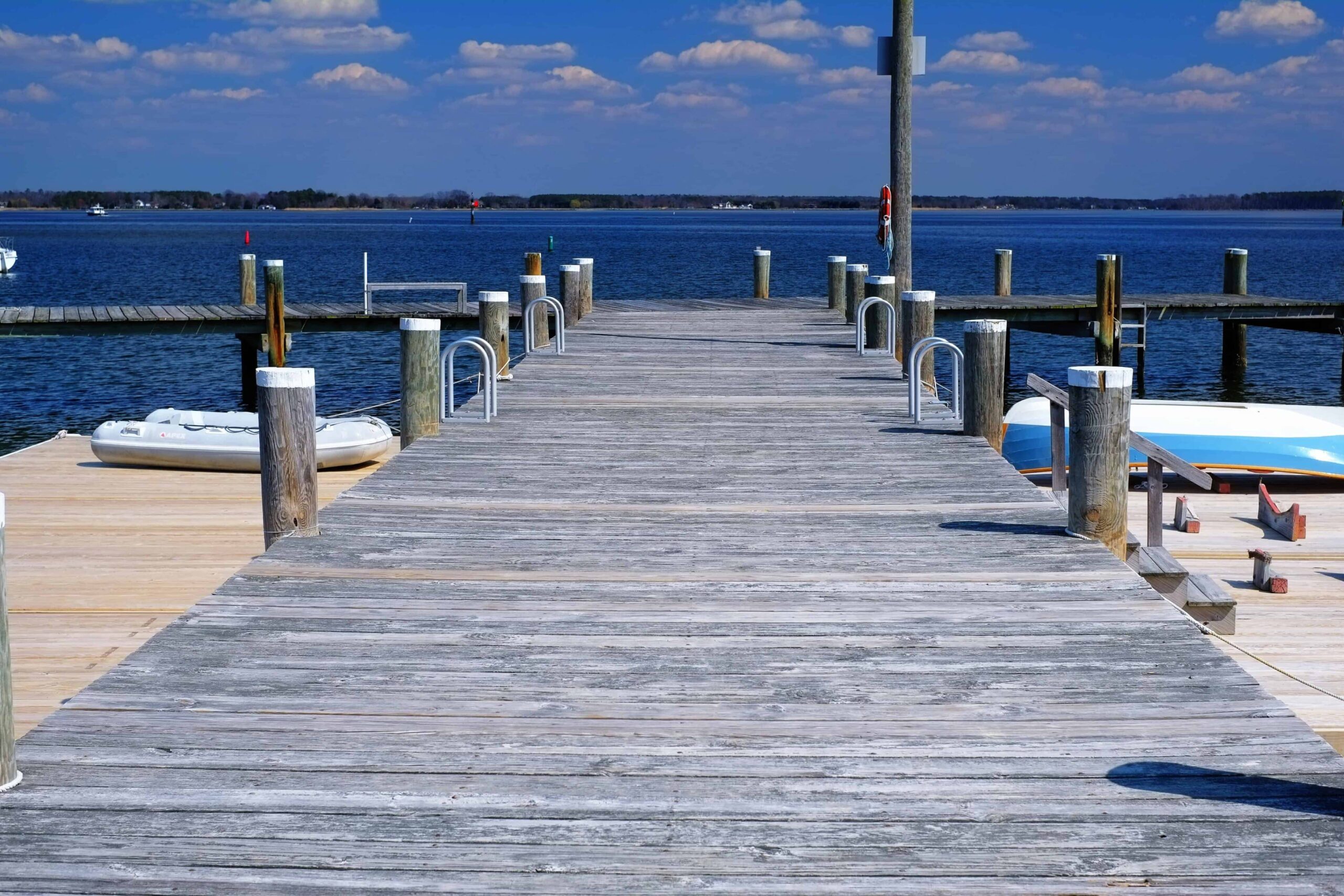
Choosing the right cleaning method for dock pilings can significantly impact their longevity, safety, and structural integrity. The debate around pressure washing vs cavitation is common among dock owners, marina managers, and waterfront property holders looking to remove stubborn marine growth effectively. While both methods aim to clean dock pilings, their approach, effectiveness, and long-term results differ greatly.
This in-depth guide breaks down pressure washing vs cavitation, explaining how each method works, where they excel, where they fall short, and which option is truly best for maintaining dock pilings in marine environments.
Understanding Pressure Washing vs Cavitation
To properly compare pressure washing vs cavitation, it’s important to understand how each cleaning method operates and interacts with dock piling materials.
What Is Pressure Washing?
Pressure washing uses high-pressure water jets to blast away marine growth, algae, dirt, and debris from dock pilings. It is commonly used for above-water surfaces and is familiar to many property owners.
What Is Cavitation Cleaning?
Cavitation cleaning uses controlled ultrasonic energy to create microscopic bubbles that collapse on contact with surfaces. This process gently removes marine growth without damaging the underlying piling material.
Pressure Washing Dock Pilings: Pros and Cons
Pressure washing is often considered due to its accessibility, but it has limitations when used on dock pilings.
Advantages of Pressure Washing
- Quick removal of visible surface growth
- Effective for above-water sections
- Readily available equipment
Disadvantages of Pressure Washing
- Can damage wood, concrete, and protective coatings
- Not suitable for underwater cleaning
- May spread marine debris into surrounding water
- Short-term results with rapid regrowth
In the pressure washing vs cavitation comparison, pressure washing often causes more harm than benefit when used improperly on dock pilings.
Cavitation Cleaning for Dock Pilings: Pros and Cons
Cavitation cleaning is increasingly preferred for professional dock piling maintenance.
Advantages of Cavitation Cleaning
- Gentle on piling surfaces
- Highly effective underwater
- Environmentally responsible
- Removes marine growth at the root level
- Reduces regrowth rates
Disadvantages of Cavitation Cleaning
- Requires specialized professional equipment
- Not typically available for DIY use
When comparing pressure washing vs cavitation, cavitation stands out as the safer and more sustainable solution for dock pilings.
Pressure Washing vs Cavitation: Side-by-Side Comparison
| Feature | Pressure Washing | Cavitation Cleaning |
| Surface Impact | Can cause erosion or splintering | Non-abrasive and gentle |
| Underwater Use | Not recommended | Highly effective |
| Environmental Impact | Can release debris into water | Eco-friendly and controlled |
| Longevity of Results | Short-term | Long-lasting |
| Suitability for Dock Pilings | Limited | Ideal |
Which Method Is Best for Dock Pilings?
The answer to pressure washing vs cavitation depends on your goals, but for dock pilings, cavitation cleaning consistently delivers better results. Dock pilings are structural components that require careful handling, especially below the waterline where damage is harder to detect.
Pressure washing may offer a quick visual improvement above water, but it often accelerates deterioration. Cavitation cleaning removes marine growth without compromising the integrity of the piling material.
Environmental Considerations When Cleaning Dock Pilings
Environmental responsibility is a key factor in choosing between pressure washing vs cavitation. High-pressure washing can dislodge marine organisms into surrounding waters, potentially violating local regulations.
Cavitation cleaning aligns better with environmentally responsible dock maintenance practices outlined by the Environmental Protection Agency and is commonly used in regulated marine environments.
FAQs About Pressure Washing vs Cavitation
Can pressure washing damage dock pilings?
Yes, excessive pressure can erode wood, crack concrete, and strip protective coatings from dock pilings.
Is cavitation cleaning safe for all piling materials?
Cavitation cleaning is safe for wood, concrete, steel, and composite pilings when performed correctly.
Which method prevents marine growth from returning faster?
Cavitation cleaning removes growth more thoroughly, reducing the speed of regrowth.
Is pressure washing ever recommended for docks?
Pressure washing may be suitable for dock decking above water but is not ideal for structural pilings.
Conclusion: Pressure Washing vs Cavitation for Dock Pilings
When evaluating pressure washing vs cavitation, the difference is clear. Pressure washing offers a fast but aggressive approach that can compromise piling integrity, while cavitation cleaning provides a gentle, effective, and environmentally responsible solution specifically suited for dock pilings.
If you want long-lasting protection, improved safety, and reduced maintenance costs, cavitation cleaning is the superior choice for dock piling care.
For professional dock piling cleaning and complete underwater maintenance, contact us today—we proudly provide Hull Cleaning, Cavitation Cleaning, Zinc Replacement, Underwater Inspections, and Wash & Detailing services to keep your vessel and waterfront structures in top condition.
