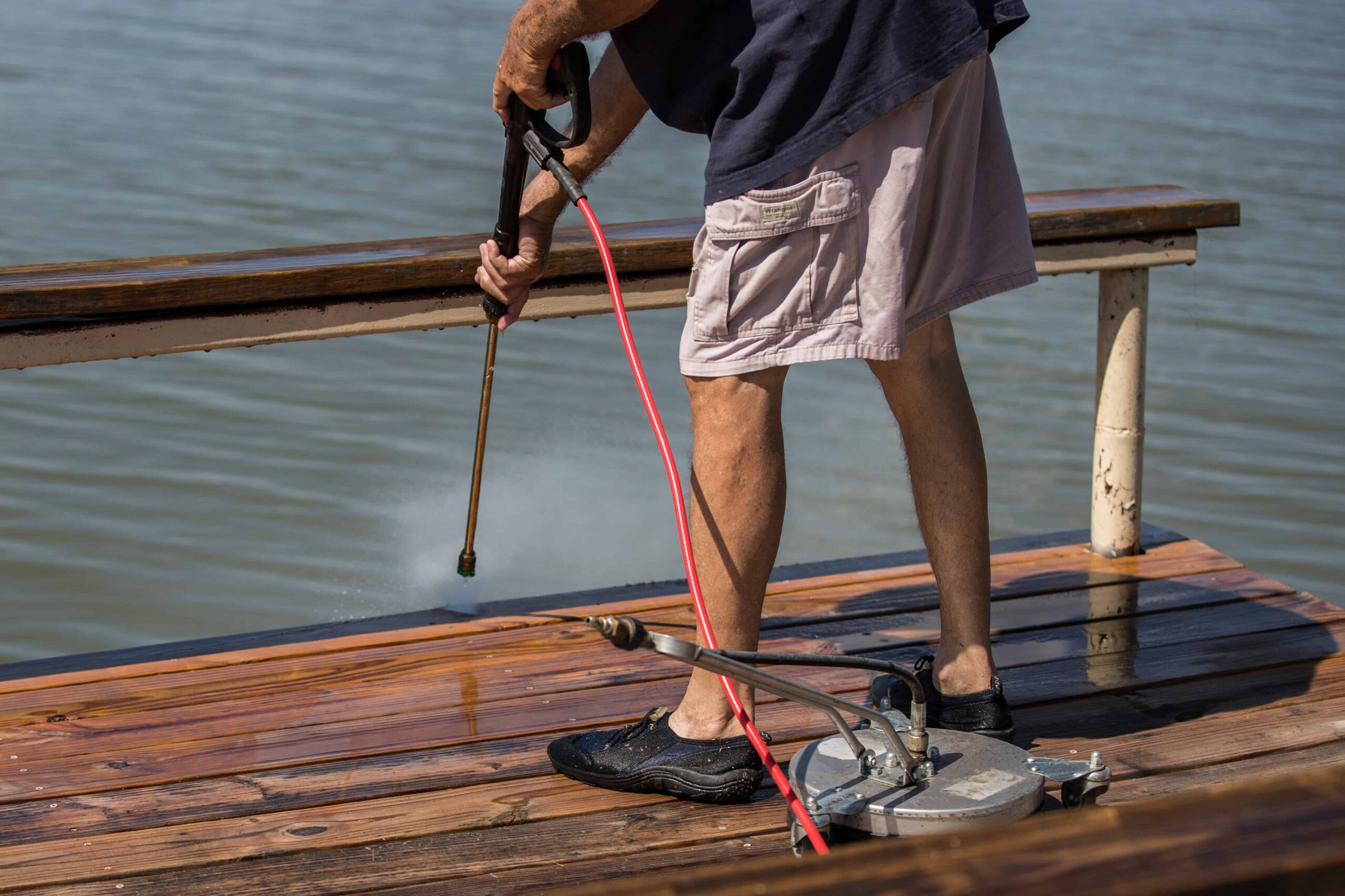
A dock is a major investment for boaters and waterfront property owners, and its longevity depends heavily on proper care below and above the waterline. Using a structured dock piling maintenance checklist is one of the most effective ways to prevent costly repairs, structural damage, and unexpected failures. Dock pilings support the entire structure, yet they are constantly exposed to harsh marine conditions that accelerate wear.
This comprehensive guide breaks down everything you need to know about dock piling maintenance, from routine inspections to cleaning schedules and protective treatments. By following a reliable dock piling maintenance checklist, you can significantly extend dock life, improve safety, and protect your waterfront property year-round.
Why a Dock Piling Maintenance Checklist Is Essential
Without a consistent dock piling maintenance checklist, minor issues often go unnoticed until they become expensive problems. Saltwater exposure, marine growth, and tidal movement can silently weaken pilings over time.
- Identifies early signs of structural damage
- Prevents excessive marine growth buildup
- Extends the usable life of dock pilings
- Improves dock safety and stability
- Reduces long-term repair and replacement costs
Regular dock piling maintenance protects both residential docks and commercial marina structures from premature deterioration.
Understanding Dock Piling Materials and Their Needs
Before applying any dock piling maintenance checklist, it’s important to understand the material used in your dock pilings. Each type requires a slightly different maintenance approach.
| Piling Material | Common Issues | Maintenance Focus |
| Wood | Rot, marine borers, cracking | Sealing, inspections, growth removal |
| Concrete | Cracking, spalling, surface erosion | Structural checks, cleaning |
| Steel | Corrosion, rust | Protective coatings, inspections |
| Composite | Surface wear, marine growth | Routine cleaning and inspection |
Dock Piling Maintenance Checklist: Step-by-Step
This dock piling maintenance checklist can be followed seasonally or quarterly depending on water conditions and dock usage.
1. Visual Inspection Above the Waterline
Start by examining pilings above the waterline for visible cracks, splintering, loose fasteners, or discoloration. These signs often indicate early structural issues.
2. Below-Waterline Inspection
Inspect submerged sections for marine growth, cracks, or material loss. Light snorkeling or long-handled inspection tools can help identify hidden problems.
3. Marine Growth Removal
Removing barnacles, algae, and mussels is a critical part of dock piling maintenance. Excessive growth adds weight, restricts water flow, and accelerates material degradation.
4. Surface Cleaning
Clean pilings using non-toxic, marine-safe methods. Avoid aggressive scraping that may damage protective layers or exposed wood fibers.
5. Structural Integrity Check
Gently test pilings for movement or instability. Any unusual shifting should be addressed immediately to prevent dock failure.
6. Protective Treatments
Apply marine-grade sealants, wraps, or coatings where appropriate. These treatments help shield pilings from moisture and marine organisms.
7. Hardware and Fastener Review
Inspect brackets, bolts, and connectors attached to pilings. Corroded or loose hardware can compromise the entire dock structure.
How Often Should Dock Piling Maintenance Be Performed?
The frequency of your dock piling maintenance checklist depends on environmental conditions and dock usage.
- High-growth saltwater areas: every 3–4 months
- Moderate-growth areas: every 6 months
- Freshwater docks: annually, with spot checks
The BoatUS Foundation recommends regular inspections to identify issues before they escalate into major repairs.
Common Dock Piling Maintenance Mistakes to Avoid
Even well-intentioned dock owners can make mistakes that shorten piling lifespan.
- Ignoring underwater sections of pilings
- Using harsh chemicals harmful to marine life
- Delaying repairs after spotting damage
- Overlooking fasteners and connection points
Following a clear dock piling maintenance checklist helps eliminate these costly errors.
When to Call Professionals for Dock Piling Maintenance
While routine dock piling maintenance can be handled by dock owners, some situations require professional services.
- Severe marine growth or barnacle infestation
- Cracked, leaning, or unstable pilings
- Commercial docks or marinas
- Environmental compliance requirements
Professional underwater piling cleaning and inspection services use specialized tools and trained divers to ensure safe, thorough results. The Environmental Protection Agency provides guidance on environmentally responsible dock maintenance practices.
FAQs About Dock Piling Maintenance
How long do dock pilings typically last?
With proper care and a consistent dock piling maintenance checklist, pilings can last 20–50 years depending on material and environment.
Is marine growth really that harmful to dock pilings?
Yes, unchecked marine growth accelerates deterioration by trapping moisture and adding stress to piling surfaces.
Can dock piling maintenance improve dock safety?
Absolutely. Regular inspections and cleaning reduce slip hazards and help prevent structural failures.
What is the first sign a dock piling needs attention?
Early signs include visible cracking, excessive growth, unusual movement, or corroded fasteners.
Conclusion: Protect Your Dock with a Dock Piling Maintenance Checklist
A proactive dock piling maintenance checklist is the foundation of a long-lasting, safe, and reliable dock. By scheduling regular inspections, removing marine growth, and addressing minor issues early, dock owners can dramatically extend dock life and avoid expensive repairs.
Whether you maintain a private dock or manage a larger waterfront structure, consistency is key. Follow this checklist, stay alert to changes, and don’t hesitate to seek professional help when needed. Smart dock piling maintenance today ensures a stronger dock for years to come.
