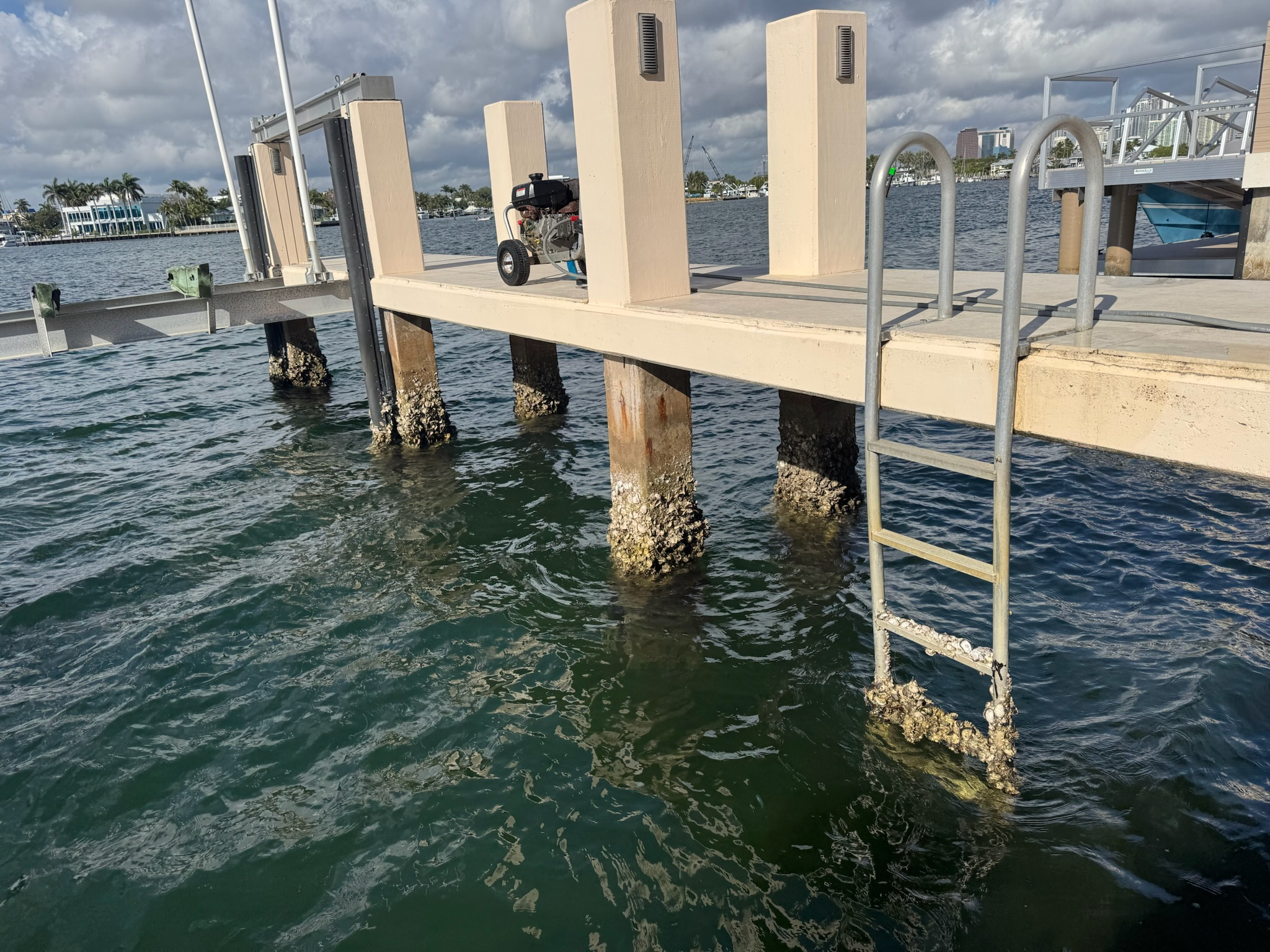
Maintaining a clean and structurally sound dock is essential for waterfront property owners, but doing so responsibly is more important than ever. Eco-friendly dock piling cleaning focuses on removing marine growth while protecting surrounding waterways, marine life, and water quality. Traditional harsh chemicals and aggressive cleaning techniques can cause long-term environmental harm, making non-toxic alternatives the smarter choice.
This guide explores environmentally safe methods for dock piling care, how often eco-friendly cleaning should be performed, and when professional services provide the best balance between effectiveness and sustainability.
Why Eco-Friendly Dock Piling Cleaning Matters
Dock pilings sit directly in sensitive marine environments where improper cleaning methods can introduce toxins into the water. Choosing eco-friendly dock piling cleaning methods helps preserve ecosystems while still maintaining dock integrity.
- Protects fish, seagrass, and coral habitats
- Prevents chemical runoff into waterways
- Preserves piling materials without surface damage
- Ensures compliance with environmental regulations
Eco-conscious dock owners not only protect nature but also extend the lifespan of their dock structures.
Common Marine Growth Found on Dock Pilings
Understanding what accumulates on dock pilings helps determine the safest non-toxic removal method.
| Marine Growth | Description | Eco-Friendly Removal Method |
| Barnacles | Hard-shelled organisms attached to surfaces | Manual scraping or cavitation |
| Algae | Green or brown slimy growth | Soft brushing with non-toxic cleaners |
| Mussels | Clustered shellfish buildup | Gentle mechanical removal |
| Seaweed | Floating or attached plant matter | Manual removal and routine cleaning |
Non-Toxic Methods for Eco-Friendly Dock Piling Cleaning
Several environmentally safe techniques effectively clean dock pilings without harming marine ecosystems.
Manual Brushing and Scraping
Using nylon brushes and non-metallic scrapers allows controlled removal of marine growth without releasing harmful substances into the water.
Marine-Safe Cleaning Solutions
Biodegradable, non-toxic cleaners are designed specifically for marine environments. The Environmental Protection Agency recommends avoiding chlorine-based or acidic products in coastal waters.
Cavitation Cleaning Technology
Cavitation uses low-pressure microbubbles to remove growth without chemicals or abrasive force, making it one of the most advanced eco-friendly dock piling cleaning methods available.
Routine Preventive Maintenance
Frequent light cleanings prevent heavy buildup, reducing the need for aggressive methods and preserving piling surfaces.
How Often Should You Use Eco-Friendly Dock Cleaning Methods?
The frequency of eco-friendly dock piling cleaning depends on water conditions, temperature, and nutrient levels.
- Warm saltwater environments: every 3–4 months
- Moderate marine growth areas: every 6 months
- Freshwater docks: annually or as needed
According to BoatUS, consistent maintenance reduces long-term costs and environmental impact.
Benefits of Eco-Friendly Dock Piling Cleaning
Switching to non-toxic dock cleaning methods offers both environmental and practical advantages.
- Maintains compliance with environmental regulations
- Reduces damage to piling materials
- Improves dock safety by minimizing slippery surfaces
- Preserves water clarity and marine life
DIY vs. Professional Eco-Friendly Dock Cleaning
While light cleaning can sometimes be handled by dock owners, professional services often deliver better results using specialized equipment.
| Factor | DIY Methods | Professional Services |
| Environmental Safety | Depends on products used | Guaranteed eco-compliant |
| Effectiveness | Moderate | High |
| Time & Effort | High | Minimal |
| Risk of Damage | Moderate | Low |
FAQs About Eco-Friendly Dock Piling Cleaning
Are non-toxic dock cleaners as effective as traditional chemicals?
Yes, when used correctly, non-toxic cleaners combined with proper techniques can effectively remove marine growth.
Is cavitation cleaning safe for marine life?
Yes, cavitation cleaning uses no chemicals and minimizes disruption to surrounding ecosystems.
Can eco-friendly dock cleaning extend piling lifespan?
Absolutely. Gentle methods reduce surface damage and help preserve structural integrity.
Are eco-friendly methods more expensive?
Costs are often comparable, and long-term savings result from reduced damage and maintenance needs.
Conclusion
Choosing eco-friendly dock piling cleaning methods is a responsible and effective way to maintain your dock while protecting marine environments. By using non-toxic cleaners, gentle techniques, and consistent maintenance schedules, dock owners can achieve excellent results without harming surrounding ecosystems.
For reliable, environmentally safe solutions, contact us for professional service — we provide Hull Cleaning, Cavitation Cleaning, Zinc Replacement, Underwater Inspections, and Wash & Detailing to keep your dock and vessels protected year-round.
