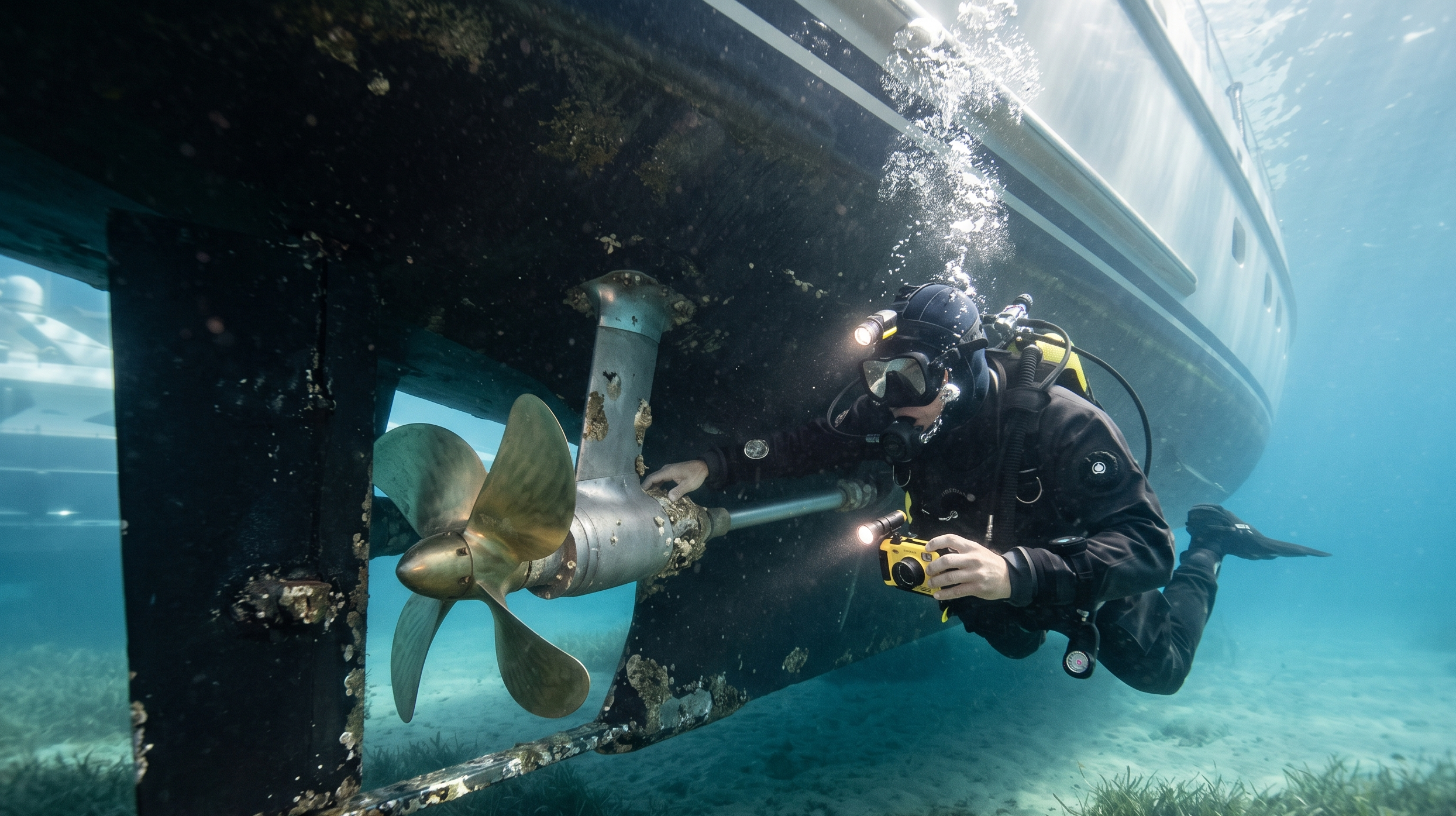
Buying a boat is an exciting investment, whether you’re purchasing your first recreational vessel, upgrading to a larger yacht, or adding a commercial vessel to your fleet. Most buyers understand the importance of a standard marine survey, sea trial, and documentation review. However, many overlook one of the most critical parts of the vessel—the areas hidden beneath the waterline.
A pre purchase underwater boat survey provides valuable information that cannot be obtained through a dockside inspection alone. While topside systems, engines, and interiors may appear well-maintained, the underwater portions of a vessel can conceal costly problems that significantly affect safety, performance, and future maintenance expenses.
By incorporating a professional underwater inspection conducted by an experienced diver or underwater yacht surveyor, buyers gain a more complete understanding of the vessel’s true condition before finalizing the purchase.
Why the Underwater Portion of a Boat Matters
Everything below the waterline plays a critical role in the vessel’s performance, efficiency, handling, and structural integrity. Unfortunately, these components are often inaccessible during routine showings and can be difficult to evaluate without hauling the boat.
The underwater section includes:
- Hull surfaces
- Keels
- Rudders
- Propellers
- Shafts
- Struts
- Through-hull fittings
- Trim tabs
- Anodes
- Bow thrusters
- Bottom paint systems
Problems in any of these areas can lead to expensive repairs, reduced performance, safety concerns, or unexpected maintenance shortly after closing the deal.
What a Pre Purchase Underwater Boat Survey Reveals
A professional pre purchase underwater boat survey focuses on identifying defects, damage, deterioration, and maintenance issues that may not be visible from above the waterline.
Hull Damage and Structural Issues
Even vessels that appear pristine can have underwater damage. Groundings, collisions with submerged objects, and improper repairs can leave signs that are only visible beneath the surface.
An underwater yacht surveyor may identify:
- Hull cracks
- Impact damage
- Stress fractures
- Delamination in fiberglass hulls
- Blistering and osmotic damage
- Previous repair work
- Corrosion on metal hulls
Early detection allows buyers to negotiate repairs or adjust purchase pricing before finalizing the transaction.
Propeller and Running Gear Damage
The running gear directly affects vessel efficiency and performance. Minor bends or damage can create vibration, reduce fuel economy, and increase wear on drivetrain components.
Underwater inspections commonly uncover:
- Bent propeller blades
- Damaged shafts
- Misalignment indicators
- Worn cutless bearings
- Corrosion on bronze components
- Missing hardware
These issues often remain unnoticed during casual inspections but can result in substantial repair bills after purchase.
Rudder and Steering System Concerns
Steering system components are exposed to constant underwater forces and environmental wear.
A diver may detect:
- Loose rudders
- Corrosion
- Excessive play
- Impact damage
- Cracks around rudder fittings
- Seal deterioration
Identifying these problems before purchase helps prevent future safety risks.
The Importance of Checking Bottom Paint Before Buying
One area often overlooked by buyers is the condition of the vessel’s antifouling coating. A thorough inspection to check bottom paint buyer concerns can reveal valuable information about maintenance history and upcoming expenses.
Bottom paint serves as the vessel’s primary defense against marine growth, including:
- Barnacles
- Algae
- Mussels
- Marine slime
When bottom paint deteriorates, marine growth accelerates, reducing fuel efficiency and potentially damaging underwater surfaces.
An underwater survey can determine:
- Paint coverage quality
- Signs of paint failure
- Excessive marine growth
- Areas requiring recoating
- Evidence of deferred maintenance
If the bottom paint system requires immediate renewal, buyers can factor those costs into negotiations.
Comparing Standard Marine Surveys and Underwater Inspections
| Inspection Type | What It Covers | Limitations |
|---|---|---|
| Standard Marine Survey | Structure, systems, safety equipment, engines, documentation | Limited underwater visibility |
| Sea Trial | Operational performance underway | Cannot reveal hidden underwater defects |
| Haul-Out Inspection | Complete access to underwater surfaces | Additional scheduling and expense |
| Pre Purchase Underwater Boat Survey | Hull, running gear, propellers, rudders, bottom condition | Best performed by experienced dive professionals |
Each inspection provides valuable information, but combining them creates the most complete picture of a vessel’s condition.
Why Buyers Should Consider an Underwater Yacht Surveyor
An experienced underwater yacht surveyor brings specialized knowledge that goes beyond a basic visual dive.
Professional underwater inspectors understand:
- Common vessel failure points
- Marine corrosion patterns
- Fiberglass and composite damage indicators
- Running gear wear characteristics
- Anode deterioration
- Signs of improper repairs
Their findings often provide critical leverage during negotiations and help buyers avoid expensive surprises.
Common Problems Found During Pre-Buy Marine Survey Hull Inspections
A pre buy marine survey hull assessment frequently uncovers issues that sellers may not be aware of themselves.
Osmotic Blistering
Fiberglass boats can develop blisters beneath the gelcoat due to moisture intrusion. While small blisters may be cosmetic, severe cases can require extensive repair work.
Electrolytic Corrosion
Stray electrical currents can accelerate corrosion on underwater metals.
Corrosion may affect:
- Propellers
- Shafts
- Trim tabs
- Through-hulls
- Bonding systems
The BoatUS Foundation provides educational resources regarding corrosion prevention and vessel maintenance.
Worn Sacrificial Anodes
Anodes protect underwater metal components from galvanic corrosion. Excessive wear may indicate neglected maintenance or electrical issues.
Hidden Grounding Damage
Previous groundings may leave subtle signs that remain undetected without a close underwater inspection.
Damage may include:
- Keel cracks
- Hull deformation
- Stress fractures
- Compromised structural components
How an Underwater Survey Supports Better Purchase Negotiations
One of the most practical benefits of a pre purchase underwater boat survey is its ability to support informed negotiations.
When underwater deficiencies are documented, buyers can:
- Request repairs before closing
- Negotiate price reductions
- Adjust maintenance budgets
- Walk away from high-risk purchases
- Prioritize future repairs
Without underwater inspection data, buyers often discover these issues only after ownership begins.
When Should an Underwater Survey Be Performed?
The ideal time is before final purchase agreements become final and before significant deposits become non-refundable.
Many buyers schedule underwater inspections during:
- Contingency periods
- Marine survey appointments
- Pre-closing evaluations
- Insurance-required inspections
Coordinating inspections early helps prevent delays and provides time to review findings thoroughly.
Best Practices for a Comprehensive Boat Purchase Inspection
Buyers seeking the most complete evaluation should combine multiple assessment methods.
- Full marine survey
- Sea trial
- Engine inspection
- Documentation review
- Maintenance record analysis
- Pre purchase underwater boat survey
The Society of Accredited Marine Surveyors and the National Association of Marine Surveyors both emphasize the value of comprehensive vessel inspections during the buying process.
For larger yachts, commercial vessels, and older boats, underwater evaluations become even more important due to increased repair exposure and maintenance costs.
Warning Signs That Make an Underwater Survey Essential
While every vessel can benefit from underwater inspection, certain situations increase the need for professional evaluation.
- Unknown maintenance history
- Older vessels
- Evidence of previous repairs
- Long-term moorage in saltwater
- Heavy marine growth
- Recent grounding incidents
- Corrosion concerns
- Inconsistent survey records
In these situations, underwater findings can significantly affect the true value of the vessel.
Frequently Asked Questions
What is a pre purchase underwater boat survey?
A pre purchase underwater boat survey is a specialized inspection of a vessel’s submerged components, including the hull, propellers, shafts, rudders, anodes, and bottom paint condition. It helps identify issues that may not be visible during a standard dockside inspection.
Is an underwater survey necessary if I already have a marine survey?
Yes. Traditional marine surveys may not provide a detailed assessment of underwater components unless the vessel is hauled out. An underwater inspection offers additional insight into submerged areas that can significantly affect ownership costs.
Can a diver detect hull damage without hauling the boat?
In many cases, yes. Experienced underwater inspectors can identify cracks, impact damage, corrosion, marine growth issues, and other visible defects while the vessel remains in the water.
Why should I check bottom paint before buying a boat?
Bottom paint condition provides clues about maintenance history and future upkeep costs. Poor paint condition can lead to excessive marine growth, reduced efficiency, and additional maintenance expenses.
What does an underwater yacht surveyor inspect?
An underwater yacht surveyor evaluates the hull, running gear, propellers, shafts, rudders, through-hulls, trim tabs, anodes, and other submerged components to identify damage, wear, corrosion, and maintenance concerns.
Can underwater survey findings affect the purchase price?
Absolutely. Significant underwater issues often lead to repair requests, purchase price adjustments, or reconsideration of the transaction altogether.
Conclusion
Many boat buyers focus on visible features, engine performance, and onboard amenities while overlooking the vessel’s most critical hidden areas. A professional pre purchase underwater boat survey provides a clear view of the hull, running gear, bottom paint, and underwater systems that directly impact safety, performance, and ownership costs.
Whether evaluating a recreational boat, luxury yacht, or commercial vessel, investing in an underwater inspection can reveal costly problems before they become your responsibility. The insights provided by an experienced underwater yacht surveyor help buyers make informed decisions, negotiate effectively, and purchase with confidence.
Schedule a Professional Underwater Inspection Before You Buy
Before finalizing your next vessel purchase, ensure you know exactly what’s happening below the waterline. A comprehensive underwater inspection can uncover hidden issues, verify maintenance condition, and provide peace of mind during the buying process. Contact a qualified marine diving and inspection professional today to schedule a pre-purchase underwater survey and make your investment with confidence.
