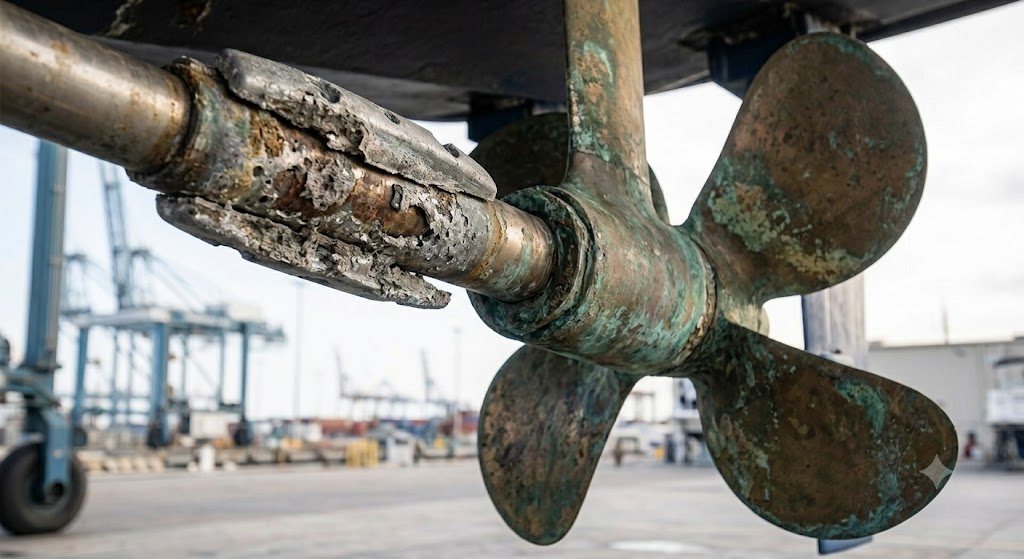
Living or operating along the coast offers unmatched waterfront access, but it also exposes docks to one of the harshest environments for construction materials. Even components that never enter the water are constantly attacked by airborne salt, humidity, ultraviolet radiation, and wind-driven moisture. Over time, these conditions can lead to rust, staining, fastener deterioration, faded deck surfaces, and premature hardware failure.
Professional salt air corrosion dock treatment helps marina owners, waterfront property managers, and homeowners protect dock structures before corrosion becomes expensive to repair. Regular inspections, cleaning, and preventive maintenance extend the service life of metallic hardware while preserving the safety and appearance of beachfront docks.
This guide explains how salt air affects dock materials, the warning signs of corrosion, and the best maintenance practices for protecting coastal waterfront structures.
Why Salt Air Is So Corrosive
Saltwater doesn’t have to touch a dock to cause corrosion. Coastal winds carry microscopic salt particles that settle on every exposed surface. Combined with moisture from rain, sea spray, humidity, and morning dew, these deposits create an ideal environment for corrosion to develop.
Areas most affected include:
- Beachfront docks.
- Marina walkways.
- Boat lifts.
- Piers.
- Seawall railings.
- Dock lighting systems.
Without routine maintenance, even high-quality marine hardware gradually deteriorates in coastal environments.
Why Salt Air Corrosion Dock Treatment Matters
Routine salt air corrosion dock treatment helps remove corrosive salt deposits while protecting structural components from long-term deterioration.
Benefits include:
- Longer hardware life.
- Reduced rust formation.
- Improved dock appearance.
- Lower long-term maintenance costs.
- Safer walking surfaces.
- Better structural reliability.
Preventive maintenance is typically far more economical than replacing corroded hardware or damaged structural components.
How Salt Air Damages Metallic Hardware
Metal components are especially vulnerable because salt deposits continuously attract moisture from the surrounding air.
Commonly affected hardware includes:
- Bolts.
- Lag screws.
- Brackets.
- Hinges.
- Cleats.
- Handrails.
- Ladder assemblies.
- Dock connectors.
Over time, corrosion may reduce both appearance and mechanical strength if maintenance is neglected.
What Happens to Dock Decks?
Salt air affects more than metal.
Wood, composite, and concrete dock surfaces are continually exposed to:
- Salt deposits.
- Ultraviolet light.
- Wind-driven sand.
- Organic debris.
- Moisture cycling.
These conditions may contribute to discoloration, surface weathering, mildew growth, and reduced coating performance.
Early Signs of Salt Air Corrosion
Identifying corrosion early allows repairs to remain relatively simple.
Watch for:
- Orange rust staining.
- White oxidation on aluminum.
- Loose fasteners.
- Corroded brackets.
- Discolored stainless steel.
- Peeling protective coatings.
- Surface pitting.
Routine inspections help identify these issues before structural repairs become necessary.
Areas That Require Routine Inspection
Professional dock inspections typically include:
- Structural hardware.
- Connection brackets.
- Dock hinges.
- Handrails.
- Ladders.
- Electrical conduit supports.
- Lighting fixtures.
- Fastener connections.
Cleaning corrosion while inspecting these components helps expose hidden wear and developing problems.
Cleaning vs Corrosion Treatment
| Maintenance Service | Primary Purpose |
|---|---|
| Routine washing | Remove salt deposits and debris |
| Corrosion treatment | Address oxidation and surface corrosion |
| Protective coating application | Reduce future exposure |
| Routine inspections | Identify developing structural issues |
A complete maintenance program combines all of these services to maximize dock longevity.
Best Practices for Coastal Dock Maintenance
Routine maintenance significantly reduces long-term repair costs.
- Wash docks regularly with fresh water.
- Remove salt deposits before they accumulate.
- Inspect metallic hardware several times each year.
- Repair damaged protective coatings promptly.
- Replace severely corroded fasteners.
- Schedule professional structural inspections.
These preventive measures help maintain both appearance and structural integrity.
Why Professional Inspections Matter
Many signs of corrosion develop slowly and may not be obvious during casual visual inspections.
Professional assessments can identify:
- Hidden corrosion.
- Loose structural connections.
- Coating failures.
- Hardware deterioration.
- Deck surface damage.
- Developing safety hazards.
Early repairs are generally less expensive than major structural restoration.
Common Mistakes Dock Owners Make
Assuming Stainless Steel Never Rusts
Marine-grade stainless steel offers excellent corrosion resistance, but it still benefits from routine cleaning and maintenance in salt-air environments.
Ignoring Surface Rust
Small areas of corrosion often become larger problems if left untreated.
Using Household Cleaning Chemicals
Some products may damage protective finishes or leave residues unsuitable for marine environments.
Skipping Hardware Inspections
Corrosion frequently develops around bolts, brackets, and hidden fasteners before becoming visible.
Waiting for Structural Damage
Preventive maintenance helps avoid costly repairs and extends dock service life.
Protecting Beachfront Dock Investments
Whether the dock serves a private residence, marina, yacht club, or commercial waterfront facility, regular maintenance helps preserve both safety and value.
A comprehensive maintenance plan should include:
- Routine washing.
- Salt removal.
- Hardware inspections.
- Corrosion treatment.
- Protective coating maintenance.
- Underwater structural inspections.
The American Society of Civil Engineers (ASCE) emphasizes preventive inspection and maintenance as key practices for extending the service life of marine infrastructure exposed to aggressive coastal environments.
Frequently Asked Questions
What causes salt air corrosion on docks?
Microscopic airborne salt particles settle on dock surfaces and attract moisture, creating conditions that accelerate corrosion of exposed metal components.
Can stainless steel rust near the ocean?
Yes. Although marine-grade stainless steel is highly corrosion resistant, it still requires periodic cleaning and maintenance in salt-air environments.
How often should beachfront docks be inspected?
Inspection frequency depends on location, weather exposure, and dock usage, but coastal docks generally benefit from routine professional inspections throughout the year.
Can corrosion weaken dock hardware?
Yes. Over time, corrosion can reduce the strength of bolts, brackets, hinges, and other structural components if left unaddressed.
Is regular washing enough to prevent corrosion?
Routine washing removes salt deposits, but complete maintenance also includes inspections, corrosion treatment, and protective coating maintenance.
Conclusion
Professional salt air corrosion dock treatment helps protect beachfront docks from one of the most persistent challenges of coastal ownership. Salt deposits, humidity, and airborne contaminants continuously attack metallic hardware and deck surfaces, but regular cleaning, inspections, and preventive maintenance can significantly slow deterioration.
By addressing corrosion early and maintaining protective coatings, dock owners can extend the life of their waterfront structures, improve safety, and reduce long-term repair costs.
Schedule a Professional Dock Inspection
If your dock is exposed to year-round coastal conditions, our marine maintenance team can help. We provide dock cleaning, corrosion treatment, hardware inspections, underwater structural assessments, marine growth removal, and preventive maintenance services for residential, marina, and commercial waterfront properties. Contact us today to schedule a professional dock inspection and protect your investment.
