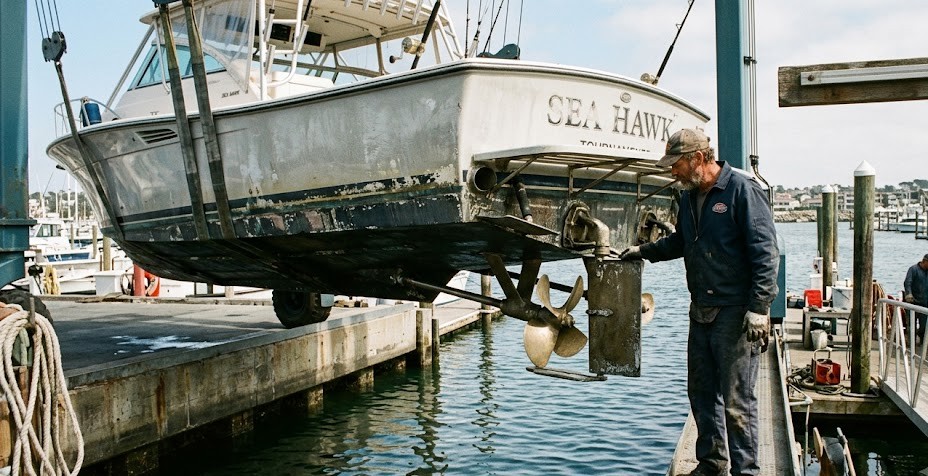
Tournament fishing is often decided by minutes—or even seconds. Reaching your fishing grounds first, conserving fuel during long runs, and maintaining consistent performance can make the difference between a winning day and finishing outside the leaderboard. One of the most overlooked factors affecting performance is hydrodynamic drag reduction. Even a thin layer of marine growth or an uneven hull surface can slow a fishing boat, increase fuel burn, and place unnecessary strain on the engine.
Whether you compete in offshore billfish tournaments or coastal sportfishing events, understanding how hull condition influences speed gives you a competitive advantage. With proper maintenance, regular inspections, and professional underwater cleaning, you can keep your vessel performing at its peak throughout the season.
What Is Hydrodynamic Drag Reduction?
Hydrodynamic drag reduction is the process of minimizing the resistance between a boat’s hull and the surrounding water. A smooth, clean hull allows water to flow efficiently, helping improve speed, fuel economy, handling, and engine performance while reducing unnecessary mechanical stress.
As a fishing boat moves through the water, friction develops between the hull and the water itself. Anything that disrupts smooth water flow—including algae, barnacles, damaged coatings, or rough paint—increases resistance. The engine must then produce more power to maintain the same cruising speed, consuming additional fuel and accelerating wear.
According to the International Maritime Organization (IMO), marine biofouling significantly impacts vessel efficiency and increases greenhouse gas emissions across commercial and recreational fleets.
How Hull Drag Affects Tournament Performance
For competitive anglers, every knot matters. Small reductions in drag translate directly into better on-water performance.
Higher Top Speed
A clean hull reduces water resistance, allowing engines to convert horsepower into forward motion instead of overcoming unnecessary friction. This directly supports boat speed optimization, particularly during long offshore runs.
Improved Fuel Efficiency
Marine growth increases fuel consumption because engines must work harder to achieve cruising speed. The National Oceanic and Atmospheric Administration (NOAA) recognizes marine fouling as a significant contributor to reduced vessel efficiency.
Better Hole Shot and Acceleration
Quick acceleration is valuable when navigating changing sea conditions or moving between fishing spots. Reduced hull drag allows boats to plane faster while decreasing engine load.
More Predictable Handling
Uneven fouling can create inconsistent water flow beneath the hull, affecting stability, steering response, and handling—especially at higher speeds.
Marine Fouling Performance: The Hidden Enemy
Marine fouling performance refers to how biological growth affects a vessel’s operational efficiency. Even boats that remain docked for only a few weeks can accumulate:
- Slime layers
- Algae
- Barnacles
- Tubeworms
- Mussels
- Marine vegetation
Many tournament anglers are surprised to discover that a barely visible slime layer can noticeably reduce speed before barnacles even appear.
Professional Hull Cleaning removes these deposits before they permanently impact performance.
Why Bottom Cleaning Directly Reduces Drag
Bottom cleaning drag reduction is one of the most cost-effective ways to improve boat performance without modifying the vessel.
Professional divers remove marine growth while protecting antifouling coatings. Unlike aggressive DIY scraping, trained technicians understand how different bottom paints should be maintained.
Routine underwater maintenance helps:
- Restore smooth water flow
- Increase boat top speed
- Improve fuel economy
- Protect expensive bottom coatings
- Reduce engine workload
- Extend propeller efficiency
Many tournament captains schedule hull cleanings before major events to maximize performance.
Hull Drag Isn’t Just About the Hull
The underwater running gear also contributes to overall resistance.
Propellers
Even minor marine growth disrupts water flow around propeller blades, reducing thrust and increasing vibration.
Professional Cavitation Cleaning safely removes stubborn marine buildup from propellers without damaging polished metal surfaces.
Shafts and Struts
Marine organisms create turbulence around rotating components, decreasing efficiency.
Trim Tabs
Fouled trim tabs affect lift characteristics and handling, making it harder to optimize boat attitude.
Intake Grates and Sensors
Blocked seawater intakes can reduce cooling efficiency while fouled sensors may provide inaccurate readings.
DIY vs. Professional Bottom Cleaning
| DIY Cleaning | Professional Underwater Cleaning |
|---|---|
| May damage antifouling paint | Uses paint-safe cleaning techniques |
| Often misses hidden growth | Complete underwater inspection |
| Requires diving equipment | Performed by trained commercial divers |
| Limited propeller cleaning | Specialized cavitation cleaning available |
| No maintenance documentation | Professional service records available |
Professional Underwater Inspection services also identify early signs of damage before they become expensive repairs.
Other Maintenance That Supports Boat Speed Optimization
Replace Worn Sacrificial Anodes
Corroded or depleted anodes expose underwater metals to galvanic corrosion, potentially damaging running gear.
Routine Zinc Replacement helps protect expensive underwater components.
Maintain Exterior Surfaces
A clean boat reflects professional ownership while reducing salt accumulation above the waterline.
Regular Boat Wash & Detailing complements underwater maintenance by preserving the vessel’s overall condition.
Inspect Dock Structures
For boats kept in slips, clean pilings improve dock conditions and make underwater inspections easier.
Professional Piling Cleaning helps maintain marina infrastructure while supporting safe vessel operations.
Common Mistakes That Increase Hull Drag
- Waiting until barnacles become visible before scheduling cleaning.
- Using abrasive tools that remove antifouling coatings.
- Ignoring propellers during routine maintenance.
- Skipping underwater inspections after long offshore trips.
- Allowing damaged bottom paint to remain untreated.
- Leaving boats idle for extended periods without maintenance.
Frequently Asked Questions
How much speed can a clean hull improve?
A clean hull can noticeably improve boat performance by reducing water resistance. The exact gain depends on hull design, engine power, and the amount of fouling, but even light marine growth can significantly affect speed and fuel efficiency.
How often should tournament fishing boats be cleaned?
Cleaning frequency depends on water temperature, location, and how often the boat is used. Boats kept in warm saltwater generally require more frequent underwater cleaning than vessels stored on trailers or in colder climates.
Does marine fouling increase fuel consumption?
Yes. Marine growth creates additional drag, forcing engines to produce more power to maintain speed. This increases fuel usage while adding unnecessary wear to propulsion systems.
Can underwater cleaning damage bottom paint?
When performed correctly by trained professionals using appropriate tools, underwater cleaning removes marine growth while preserving antifouling coatings.
Is propeller cleaning as important as hull cleaning?
Absolutely. Fouled propellers reduce thrust, increase vibration, and lower propulsion efficiency. Clean propellers work together with a smooth hull to maximize performance.
Looking for more expert boating maintenance advice? Visit our blog for additional guides, maintenance tips, and underwater service insights.
Conclusion
Hydrodynamic drag reduction is one of the simplest and most effective ways to improve tournament fishing boat performance. Maintaining a clean hull, efficient propellers, and properly protected underwater components helps increase boat top speed, reduce fuel costs, and extend the life of your vessel. Consistent preventative maintenance allows you to spend less time fighting drag and more time focusing on winning tournaments.
Ready to protect your vessel?
If you need expert help with this, our team of certified divers and marine technicians is ready to step in. Learn more about our specific services here.
Prefer to speak with an expert immediately? Contact us today to schedule a service or get a free quote!
