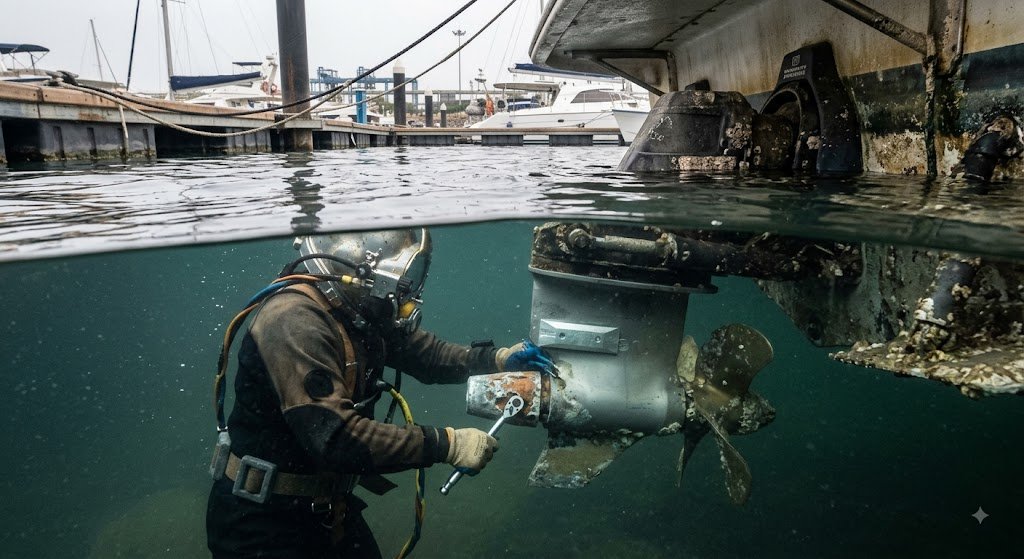
When a Volvo Penta IPS boat spends most of its time in saltwater, the underwater drive system takes a constant beating from the marine environment. One of the easiest problems to overlook is anode wear. You may notice a little discoloration or surface growth on the pod and assume everything is fine, only to discover that the sacrificial anodes are badly depleted. Proper Volvo Penta IPS anode replacement is a key part of protecting the drive, propellers, and other underwater metals from galvanic corrosion.
For yacht owners, fleet managers, and captains, the goal is simple: inspect the anodes before they are gone, use the correct material for the water you’re operating in, and make sure each replacement has a sound electrical connection.
What Are Volvo Penta IPS Anodes?
Volvo Penta IPS anodes are sacrificial metal components designed to corrode instead of the underwater metals they protect. They provide cathodic protection to the IPS drive and related components by becoming the preferred site for the electrochemical reaction that would otherwise attack more valuable underwater metals.
Volvo Penta explains that its genuine marine anodes are designed specifically for its drive and propeller systems and should be inspected during winterization or the off-season and replaced when they have eroded to approximately half their original size.
You can review Volvo Penta’s current marine anode guidance for information on anode materials, corrosion protection, and replacement recommendations.
Why IPS Drive Zincs Matter
IPS drive zincs are commonly used as sacrificial protection in marine environments, but the correct anode material depends on the water where the boat operates and the specific IPS installation.
Volvo Penta currently recommends aluminum anodes for salt and brackish water, with zinc used when an aluminum anode is not available for the particular product. For fresh water, Volvo Penta recommends magnesium anodes and cautions against using aluminum or zinc where passivation can prevent proper anode operation.
That means you should not automatically replace an old anode with whatever metal was used on the boat years ago. Verify the correct specification for your exact drive and operating environment.
The manufacturer’s propeller and anode guide identifies the available anode configurations for Volvo Penta drives, including IPS models.
How Pod Drive Corrosion Starts
Pod drive corrosion occurs when underwater metals participate in an electrochemical reaction and the protective system is unable to provide adequate cathodic protection. Anodes reduce this risk by sacrificing themselves first, but they cannot protect a drive indefinitely once they have been consumed.
This is why an anode that looks “mostly there” deserves attention if its working surface has deteriorated significantly. Corrosion protection depends on both the amount of anode material remaining and a reliable electrical connection between the anode and the metal it protects.
Heavy marine growth can also make inspection more difficult. A clean underwater surface makes it easier to see anode wear, coating damage, corrosion staining, and physical damage to the pod.
When Should You Replace Volvo Penta IPS Anodes?
Volvo Penta’s general guidance is to inspect anodes during winterization or the off-season and replace them when they have eroded to half their original size. Your specific maintenance schedule and drive model should always take priority over a generic calendar interval.
Volvo Penta states that its service recommendations are based on engine hours or elapsed time and can be found through its maintenance schedule and manuals. You can check the current Volvo Penta service and support information for the maintenance documentation applicable to your installation.
Do not wait for an anode to disappear completely. Once enough protective material is gone, the drive and other underwater metals can become more exposed to corrosion.
Factors That Can Accelerate Anode Wear
- Warm saltwater
- Brackish-water operation
- Heavy marina use
- Stray electrical current
- Electrical bonding problems
- Incorrect anode material
- Damaged or painted contact surfaces
- High underwater metal exposure
If your anodes are disappearing much faster than expected, replacing them repeatedly without investigating the cause may only mask a larger corrosion problem.
Replacing Pod Drive Anodes Correctly
Replacing pod drive anodes means removing depleted sacrificial components and installing the correct replacement anodes with clean, secure contact so they can electrically protect the underwater drive system as intended. The work should follow the procedures and part specifications for the particular Volvo Penta IPS model.
1. Inspect Before Removal
Record the condition of the existing anodes before taking them off. Look for uneven wear, heavy depletion, looseness, corrosion around mounting points, or differences between port and starboard drives.
Uneven anode wear can be a useful clue. If one side is disappearing much faster than the other, investigate the electrical and environmental conditions rather than treating it as normal wear automatically.
2. Use the Correct Replacement
Volvo Penta produces different anode configurations for different drives and applications. Its current parts information identifies specific anodes for IPS lower gears and transom-mounted locations.
Using genuine or correctly specified replacement parts helps ensure proper fit and electrical continuity. Volvo Penta states that its genuine anodes are designed and tested to match its marine systems.
3. Preserve Electrical Contact
An anode must have a reliable electrical connection to the metal it protects. Paint, corrosion, marine deposits, or an incorrectly installed fastener can interfere with that connection.
Never treat the anode as a decorative bolt-on part. Its electrical function is the reason it exists.
4. Inspect the Surrounding Pod
Once the depleted anode is removed, inspect the surrounding surface for corrosion, coating failure, pitting, impact damage, or other abnormalities.
A professional Underwater Inspection can document the condition of the entire IPS system, particularly when the boat has experienced unusual anode consumption or suspected electrical problems.
Specialized Marine Anodes and Water Type
Specialized marine anodes are not interchangeable simply because they look similar. Anode chemistry must be appropriate for the conductivity and chemistry of the surrounding water.
| Operating Environment | Volvo Penta General Recommendation |
|---|---|
| Saltwater | Aluminum anodes; zinc where an aluminum option is not provided for the product |
| Brackish water | Aluminum anodes; zinc where an aluminum option is not provided for the product |
| Freshwater | Magnesium anodes |
These are Volvo Penta’s current general recommendations, not a substitute for identifying the correct part for your specific drive. Water conditions can change during a vessel’s operating season, especially for boats that move between rivers, estuaries, and offshore saltwater.
Volvo Penta also notes that its aluminum anodes are designed for salt and brackish water and that aluminum and zinc are not recommended in fresh water because passivation can interfere with their operation.
Volvo IPS Maintenance Schedule: What Owners Should Watch
The Volvo IPS maintenance schedule should be treated as the baseline for planned service, not as a reason to ignore what you see during normal operation.
Between scheduled services, pay attention to:
- Anode depletion
- New corrosion marks
- Changes in underwater coating condition
- Propeller damage
- Unusual vibration
- Marine growth around the pods
- Rapid or uneven anode consumption
Volvo Penta’s support platform explains that maintenance schedules are tied to engine hours or elapsed time and that maintenance instructions identify the parts and tools required for applicable service work.
For owners who want to keep better records, Volvo Penta Connect provides access to manuals, maintenance information, service history, and product-specific documentation.
Keep IPS Drives Clean for Better Inspection
Marine growth does not necessarily mean your IPS system has a corrosion problem, but heavy fouling can hide one. Barnacles around the pod, propeller, or anode can make it difficult to judge the condition of the underlying metal.
Regular Hull Cleaning helps keep the underwater profile free of excessive growth while giving technicians a better opportunity to identify developing problems.
For suitable underwater metal components, professional Cavitation Cleaning can help remove stubborn growth without relying on aggressive mechanical scraping.
Common Mistakes With IPS Anode Maintenance
- Waiting until anodes are completely gone before replacing them.
- Choosing zinc, aluminum, or magnesium based only on what was installed previously.
- Ignoring rapid anode depletion.
- Installing replacements without checking electrical contact.
- Painting over an anode or its required contact area.
- Inspecting the anodes but ignoring corrosion on the surrounding pod.
- Assuming the same replacement schedule applies to every IPS generation.
- Skipping underwater inspections between major haul-outs.
Frequently Asked Questions
How often should Volvo Penta IPS anodes be replaced?
Volvo Penta recommends inspecting its marine anodes during winterization or the off-season and replacing them when they have eroded to approximately half their original size. The exact service schedule depends on your IPS model, operating hours, water type, and maintenance documentation.
Are Volvo Penta IPS anodes zinc or aluminum?
It depends on the application and water environment. Volvo Penta currently recommends aluminum anodes for salt and brackish water, with zinc used when an aluminum anode is not available for the product. Magnesium is recommended for fresh water, subject to the specific product specification.
Why are my IPS drive anodes wearing out so quickly?
Rapid anode depletion can result from normal environmental exposure, but unusually fast or uneven wear can also indicate stray current, bonding problems, unsuitable anode material, or other electrical conditions. Replacing anodes without investigating abnormal wear may leave the underlying problem unresolved.
Can I replace Volvo Penta IPS anodes myself?
Some maintenance tasks may be permitted for owners, but Volvo Penta recommends authorized dealers for marine anode installation. If you perform permitted maintenance yourself, follow the exact service instructions and use the correct part for your IPS installation.
Should IPS drives be cleaned before anode replacement?
The surrounding drive should be clean enough to inspect the anode and its contact area properly. Heavy marine growth can hide corrosion or physical damage, so professional underwater cleaning and inspection can be useful before or during an anode maintenance visit.
For more practical guidance on corrosion protection, underwater maintenance, and yacht care, visit our blog and marine resources.
Conclusion
Volvo Penta IPS anode replacement is a small maintenance task with a major role in protecting an expensive underwater propulsion system. Inspect anodes before they are consumed, use the correct material for the water you operate in, maintain reliable electrical contact, and investigate unusually rapid wear. Combining the manufacturer’s maintenance schedule with professional Zinc Replacement and underwater inspection helps keep pod drive corrosion under control and gives you a much better chance of catching problems before they become costly repairs.
Ready to protect your vessel?
If you need expert help with this, our team of certified divers and marine technicians is ready to step in. Learn more about our specific services here.
Prefer to speak with an expert immediately? Contact us today to schedule a service or get a free quote!
