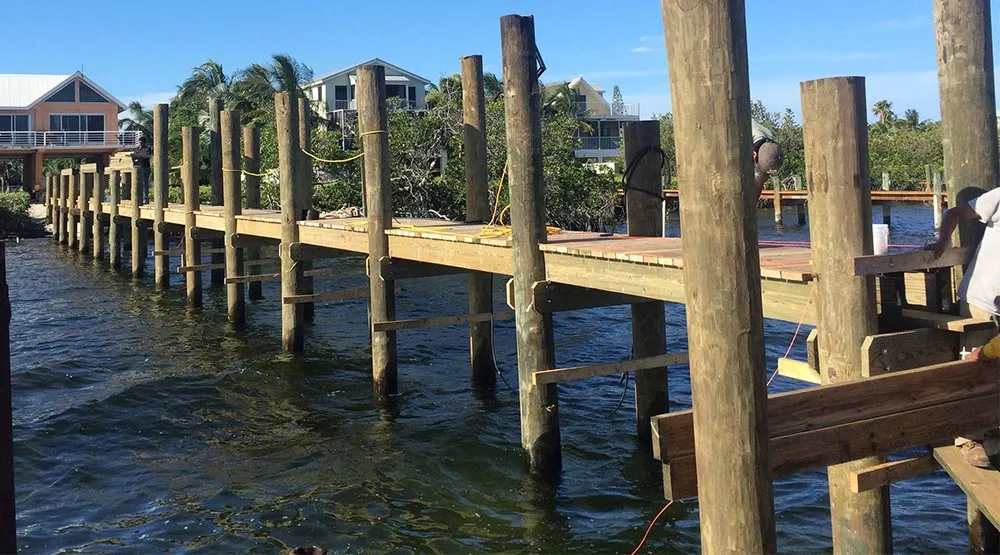
Keeping your dock in top condition is just as important as maintaining your boat. One of the most overlooked yet critical tasks is DIY dock piling cleaning. Dock pilings are constantly exposed to saltwater, algae, barnacles, and other marine organisms that can weaken structural integrity over time. For boaters who want to protect their investment and maintain a safe waterfront environment, learning the basics of proper piling care is essential.
In this guide, we’ll walk you through proven DIY dock piling cleaning methods, safety precautions, tools to use, and when it’s best to call professionals. Whether you own a private dock or manage a small marina slip, these tips will help you make informed decisions and extend the lifespan of your dock pilings.
Why DIY Dock Piling Cleaning Matters
Regular DIY dock piling cleaning helps prevent long-term damage caused by marine growth buildup. Barnacles, algae, mussels, and seaweed not only make pilings unsightly but can also trap moisture and accelerate deterioration.
- Improves dock safety by reducing slippery surfaces
- Extends the lifespan of wood, concrete, or composite pilings
- Enhances water flow around pilings
- Maintains property value and dock appearance
Neglecting piling maintenance can lead to costly repairs or even structural failure, especially in saltwater environments.
Common Types of Marine Growth on Dock Pilings
Before starting any DIY dock piling cleaning project, it’s important to understand what you’re removing.
| Marine Growth Type | Description | Impact on Pilings |
| Barnacles | Hard-shelled crustaceans that cement themselves to surfaces | Can crack wood and concrete surfaces over time |
| Algae | Green or brown slimy buildup | Creates slippery surfaces and traps moisture |
| Mussels | Cluster-forming shellfish | Adds weight and stress to pilings |
| Seaweed | Floating or attached plant growth | Encourages further marine growth |
Essential Tools for DIY Dock Piling Cleaning
Successful DIY dock piling cleaning starts with the right equipment. Using improper tools can damage pilings or put your safety at risk.
- Stiff nylon or wire brushes
- Plastic or wooden scrapers (avoid metal on wood pilings)
- Protective gloves and eyewear
- Non-toxic marine-safe cleaners
- Snorkeling gear or long-handled tools
Always choose environmentally friendly products to avoid harming marine ecosystems. The Environmental Protection Agency offers guidelines on safe marine cleaning practices.
Step-by-Step DIY Dock Piling Cleaning Process
1. Inspect the Dock Pilings
Begin your DIY dock piling cleaning by inspecting each piling above and below the waterline. Look for cracks, rot, loose fasteners, or signs of severe marine growth.
2. Start Above the Waterline
Scrub algae and debris from exposed piling areas first. This prevents loosened growth from falling back onto cleaned surfaces.
3. Clean Below the Waterline Carefully
Using a brush or scraper, gently remove marine growth underwater. Avoid aggressive scraping that can damage protective coatings or wood fibers.
4. Rinse Thoroughly
Allow natural water flow to rinse away loosened debris. Do not use high-pressure washers underwater, as they can erode piling surfaces.
5. Dispose of Debris Properly
Collect removed marine growth when possible and dispose of it according to local regulations. Never dump debris back into the water.
Dock Piling Maintenance Tips for Long-Term Protection
DIY dock piling cleaning works best when paired with consistent maintenance habits.
- Schedule cleanings every 3–6 months
- Apply marine-grade protective coatings when appropriate
- Monitor for early signs of damage
- Keep surrounding water free of excess debris
According to BoatUS, proactive dock maintenance can significantly reduce long-term repair costs.
When DIY Dock Piling Cleaning Is Not Enough
While DIY dock piling cleaning is effective for light to moderate growth, some situations require professional intervention.
- Heavy barnacle infestations
- Damaged or aging pilings
- Commercial docks or marinas
- Environmental compliance concerns
Professional underwater piling cleaning services use specialized equipment and trained divers to safely restore dock structures without causing damage.
FAQs About DIY Dock Piling Cleaning
How often should I perform DIY dock piling cleaning?
Most boaters should clean dock pilings every 3 to 6 months, depending on water conditions and marine growth levels.
Is DIY dock piling cleaning safe for marine life?
Yes, when using non-toxic cleaners and gentle methods, DIY dock piling cleaning can be environmentally responsible.
Can I use a pressure washer on dock pilings?
Pressure washers are not recommended underwater and can damage wood or concrete pilings if used improperly.
What’s the biggest mistake boaters make when cleaning pilings?
The most common mistake is aggressive scraping, which can weaken piling surfaces and shorten their lifespan.
Conclusion: Smarter DIY Dock Piling Cleaning for Boaters
Mastering DIY dock piling cleaning empowers boaters to protect their docks, improve safety, and reduce maintenance costs. With the right tools, eco-friendly methods, and a consistent schedule, you can effectively manage marine growth and preserve your dock’s structural integrity.
However, knowing your limits is just as important as knowing the process. For heavy growth or complex dock systems, professional piling cleaning services ensure thorough, compliant, and long-lasting results. Whether DIY or professional, regular piling maintenance is a smart investment in your waterfront property.
